5 Types of Floating Covers
Floating covers come in several different forms, each with its own strengths, weaknesses, and ideal use cases. Choosing the right one depends on what you need it to do, the size and shape of your water body, your budget, and how much maintenance you can take on. Below we look at the five most commonly used floating covers, with the advantages and disadvantages of each, so you can find the option that best fits your situation.
1. Geomembrane covers
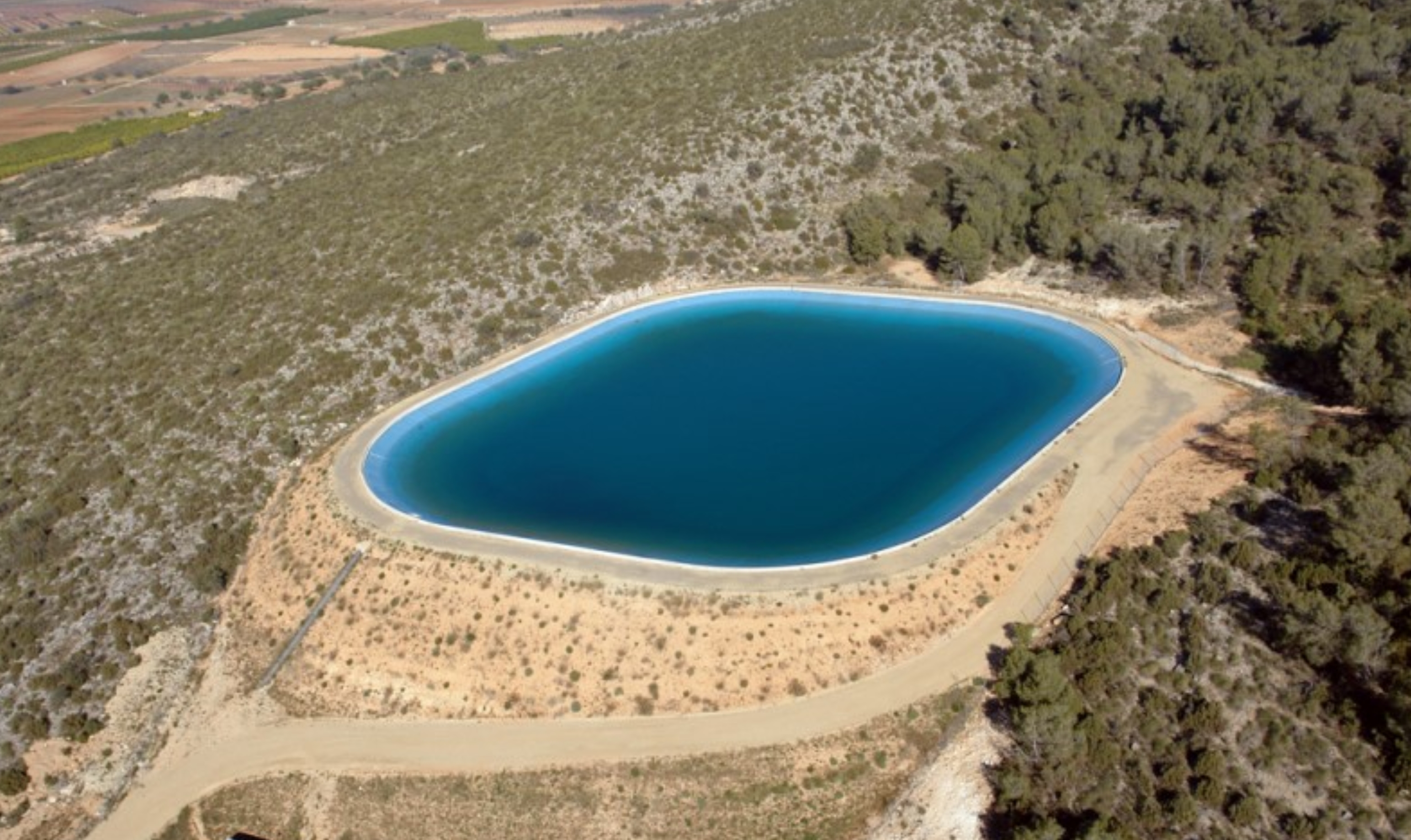
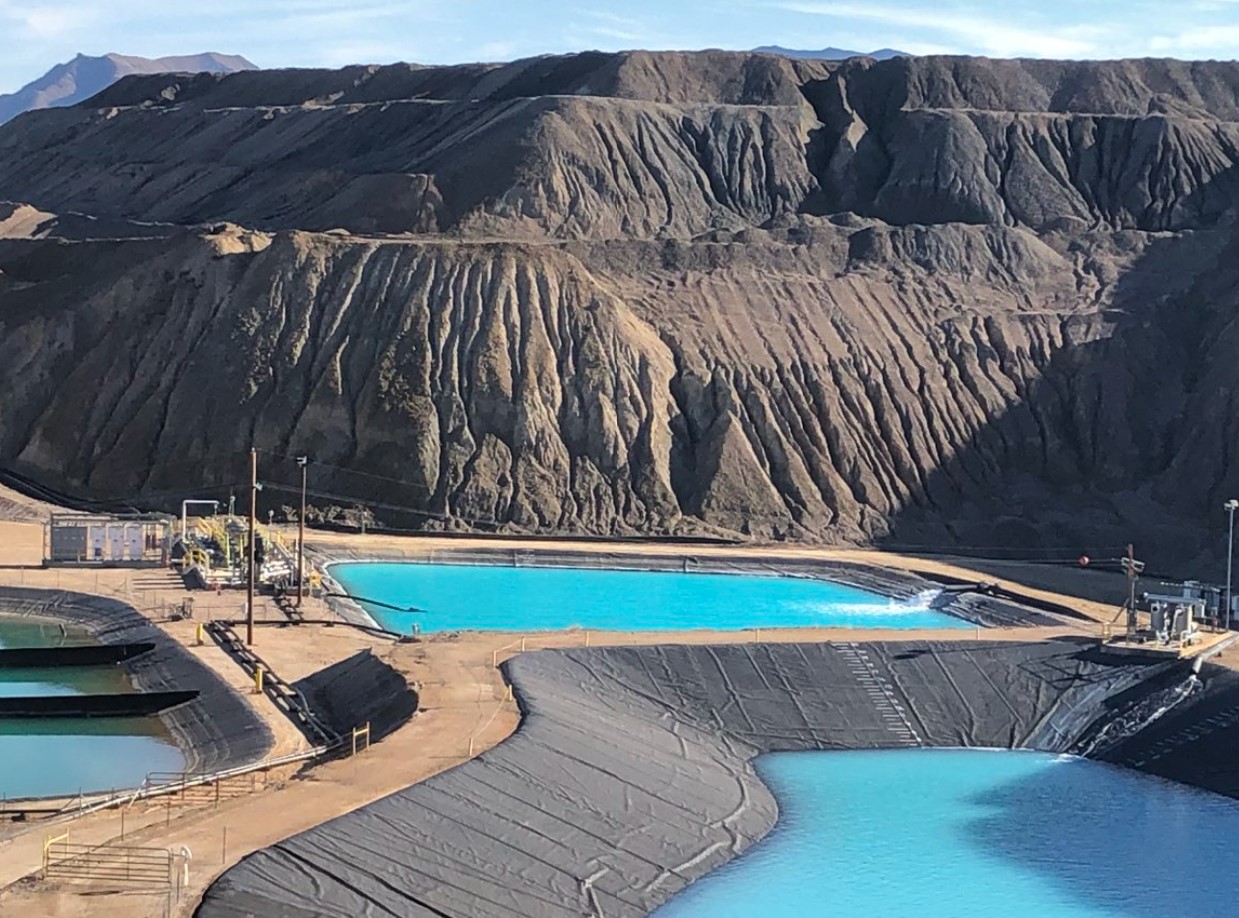
Geomembranes are sheets made of synthetic materials, such as high-density polyethylene (HDPE), that float on the water. They are one of the most common options because they are inexpensive and straightforward to install.
Advantages of geomembrane covers:
- Economical: they are relatively cheap to produce and install.
- Waterproof: they help reduce water loss through evaporation.
- Easy to install and maintain: they go up quickly and do not require complicated equipment when covering small surfaces.
- Durable: they offer good protection against sun and chemical exposure.
Disadvantages of geomembrane covers:
- Limited lifespan: although durable, they can deteriorate over time under constant sun exposure and weather conditions.
- Visual impact: some people dislike how they look, since they fully cover the water surface.
- Maintenance required: they may need occasional repairs if damaged, usually by wind or rain.
2. Mesh covers
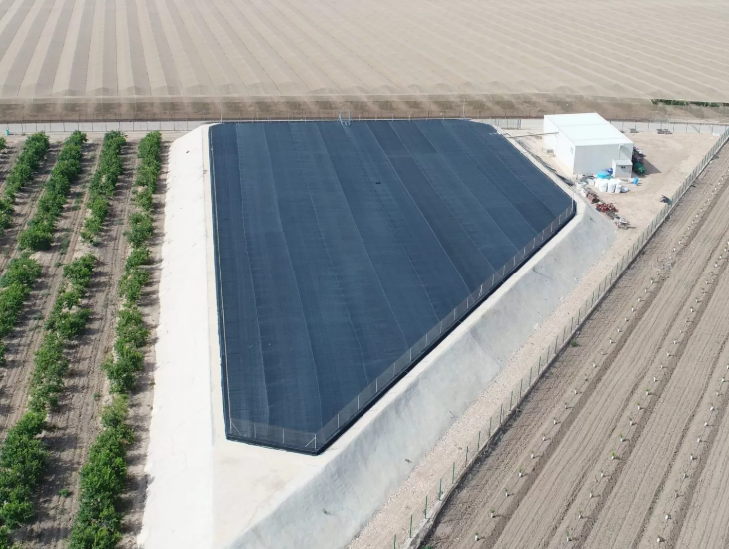
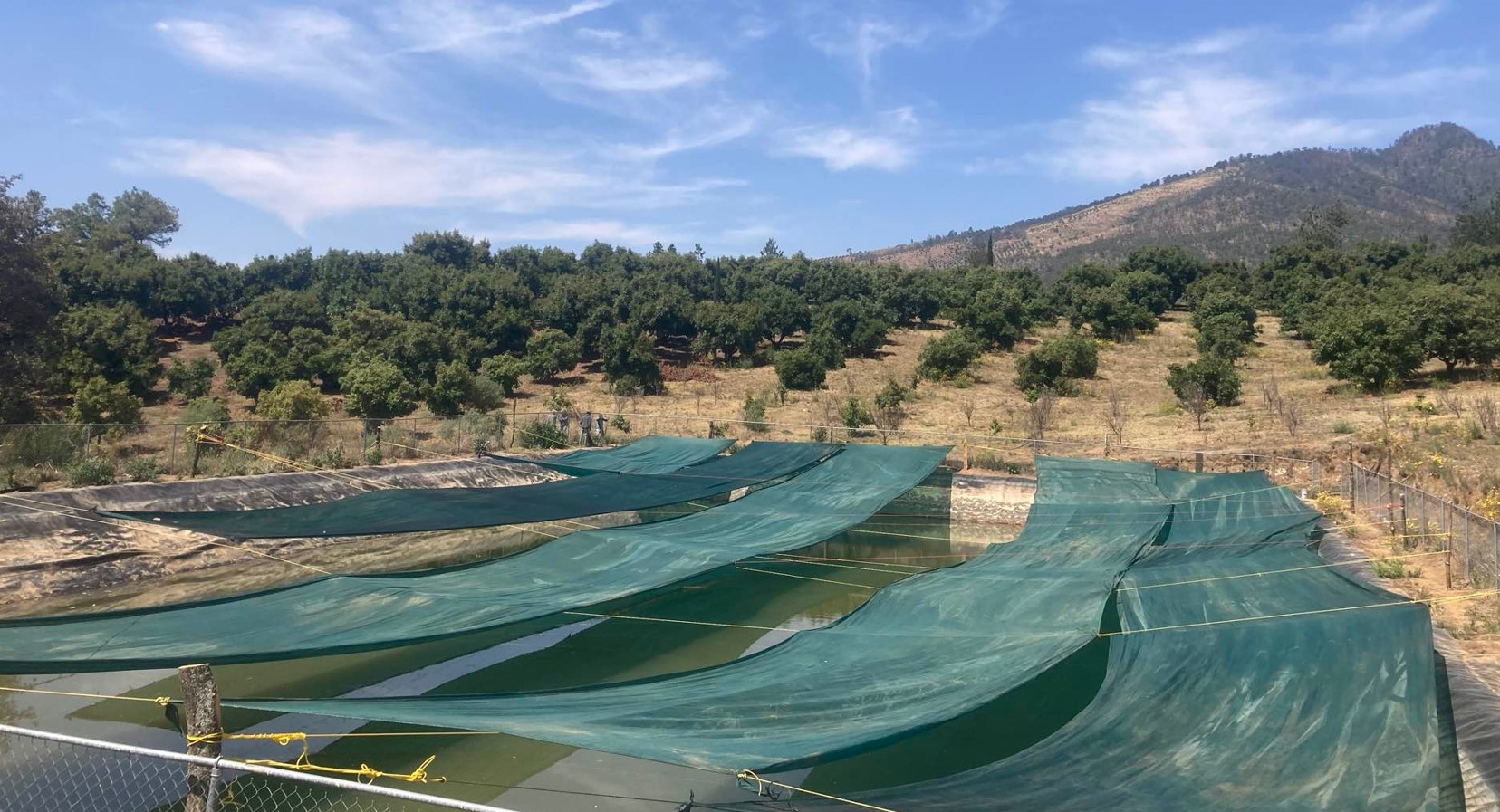
Unlike geomembranes, mesh covers are not installed in direct contact with the water. Instead, they sit above it, held up by tensioned wires. They are usually made of plastic materials such as polyethylene (PE) or polypropylene (PP), and because they are permeable, they allow air and water to circulate beneath them.
Advantages of mesh covers:
- Reduced evaporation: by partially blocking the sun, the mesh helps cut water evaporation.
- Algae protection: it limits the light reaching the water, which helps prevent algae growth and improves water quality.
- Cost-effective: mesh covers are usually cheaper than thicker floating covers like geomembranes, and do not require complex installation.
Disadvantages of mesh covers:
- Partial protection only: because the mesh shades rather than seals the surface, it does not block the sun completely, so it is less effective than geomembranes or floating elements at preventing water loss and algae growth.
- Regular cleaning needed: mesh can accumulate debris such as leaves and dirt, so it must be cleaned periodically to stay effective.
- Shorter lifespan: they typically last between three and five years, as they are affected by sun, rain, and wind.
3. Modular floating elements
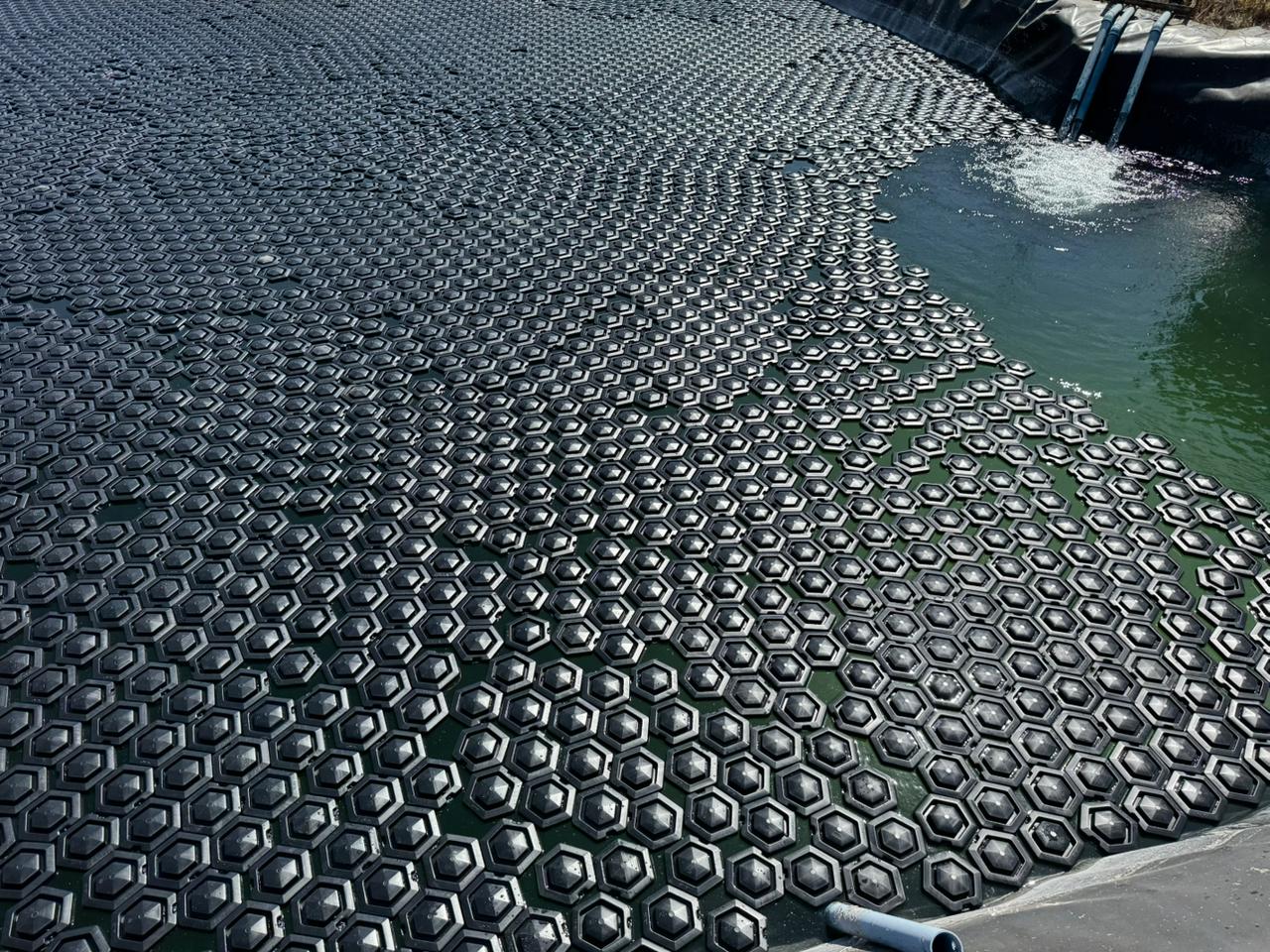
Modular floating covers are made up of autonomous, individually floating elements that, together, form a single unified surface across the water.
Advantages of modular floating element covers:
- Flexibility: the elements adapt to any geometric shape, size, and changing water level.
- Easy to transport and install: they are lightweight and simple to store and deploy.
- Long lifespan: they typically last more than 25 years thanks to UV and antioxidant additives.
- Low maintenance: they generally require no maintenance.
- High efficiency: they perform at a high level across their main functions.
Disadvantages of modular floating element covers:
- Higher initial cost: although modular and easy to install, the upfront cost of the modules can be higher than that of other cover types.
4. Nature-based floating covers (duckweed)
Nature-based floating covers are systems that mimic natural ecosystems, such as duckweed. Duckweed is a floating plant that grows on the water and forms a living layer on the surface, helping to reduce evaporation and limit algae growth.
Advantages of nature-based floating covers:
- Sustainability: they rely on the natural properties of plants, making them a green, environmentally friendly option.
- Algae reduction: the floating plants block sunlight, reducing algal blooms and improving water quality.
Disadvantages of nature-based floating covers:
- Maintenance required: the plants can grow out of control and need periodic pruning.
- Visual impact: some people find that floating plants create an unsightly "blanket" over the water.
- Not suitable everywhere: this type of cover does not work well on water bodies with a lot of activity or movement.
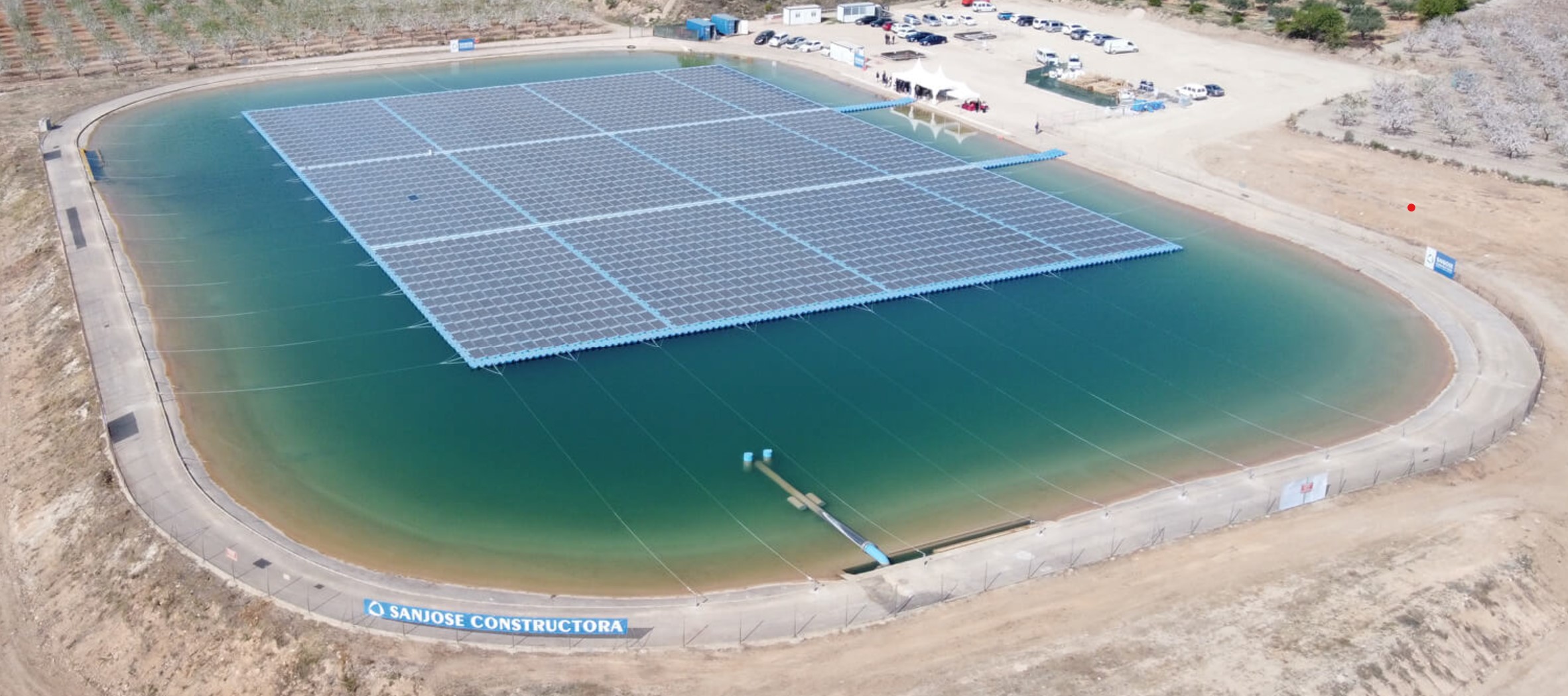
5. Photovoltaic floating covers
Photovoltaic floating covers are floating platforms covered with solar panels. The panels convert sunlight into electricity, while the water beneath them helps keep them cooler, which improves their efficiency.
Advantages of photovoltaic floating covers:
- Clean energy generation: the panels produce renewable electricity, reducing dependence on non-renewable sources.
- Improved panel efficiency: the water cools the panels, which boosts their performance.
- Better use of space: they are installed over water bodies that would otherwise go unused, making the most of available space.
Disadvantages of photovoltaic floating covers:
- High initial cost: installing a floating photovoltaic system requires a significant investment.
- Weather dependence: efficiency depends on available sunlight, which varies by location and season.
- Technical maintenance: the panels need cleaning and periodic checks, which can be costly and labor-intensive.
Conclusion
Floating covers offer a versatile and sustainable way to protect bodies of water, but no single type is right for every situation. By understanding the different options and weighing their specific advantages and disadvantages, you can choose the one that best fits your needs. Whether your goal is to conserve water, improve water quality, or generate clean energy, there is a floating cover that can help you manage and protect your water resources more effectively.