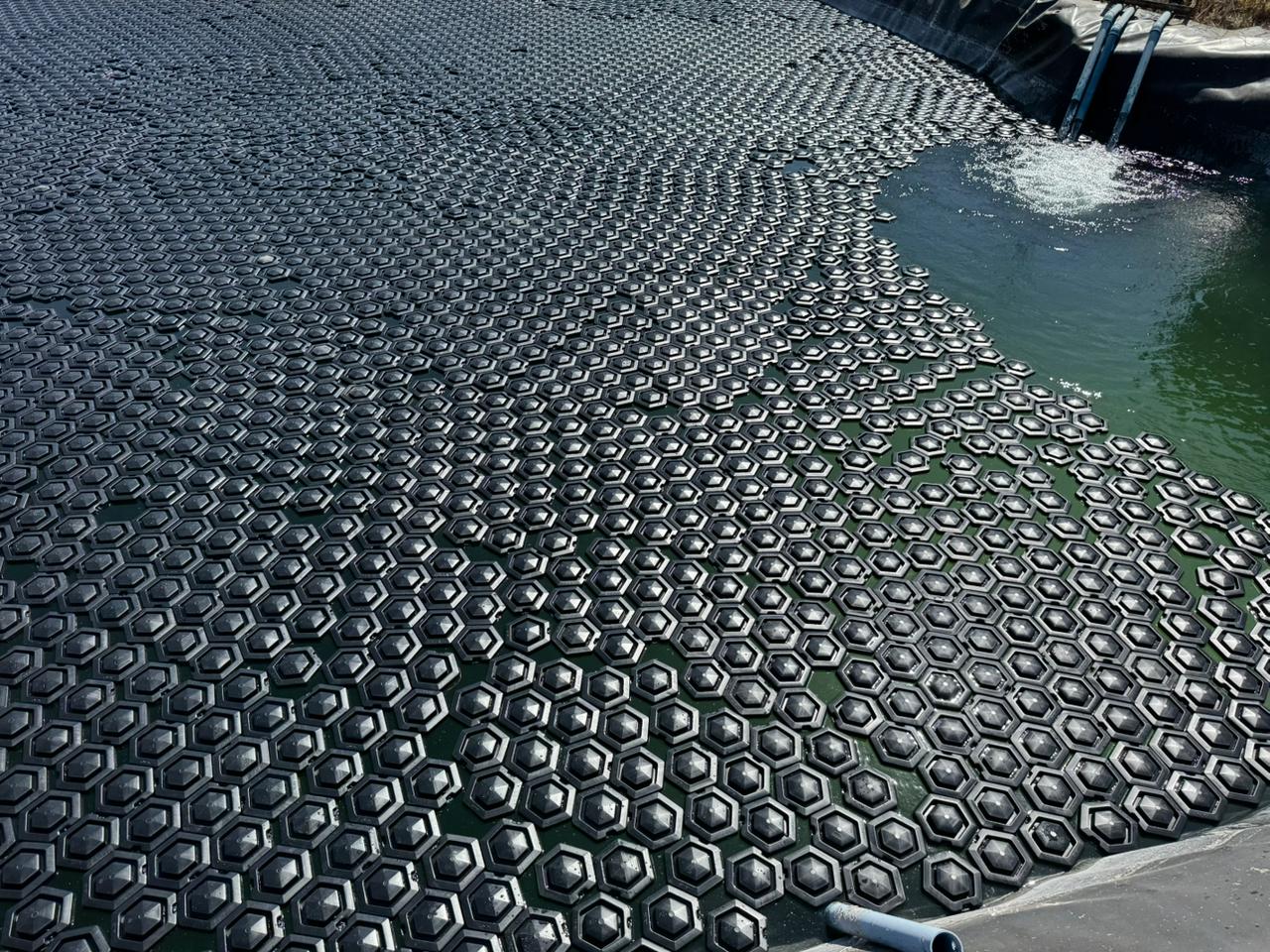
Floating Covers: Uses and Applications

Floating covers are used in various industries thanks to their versatility and effectiveness in solving problems related to water evaporation, water pollution, odor, heat loss, freezing, and wildlife protection. Because they work right at the surface, where water meets the air, a single cover can address several of these challenges at once. Below we look at how floating covers are used across some of the key industries that rely on them.
Agriculture
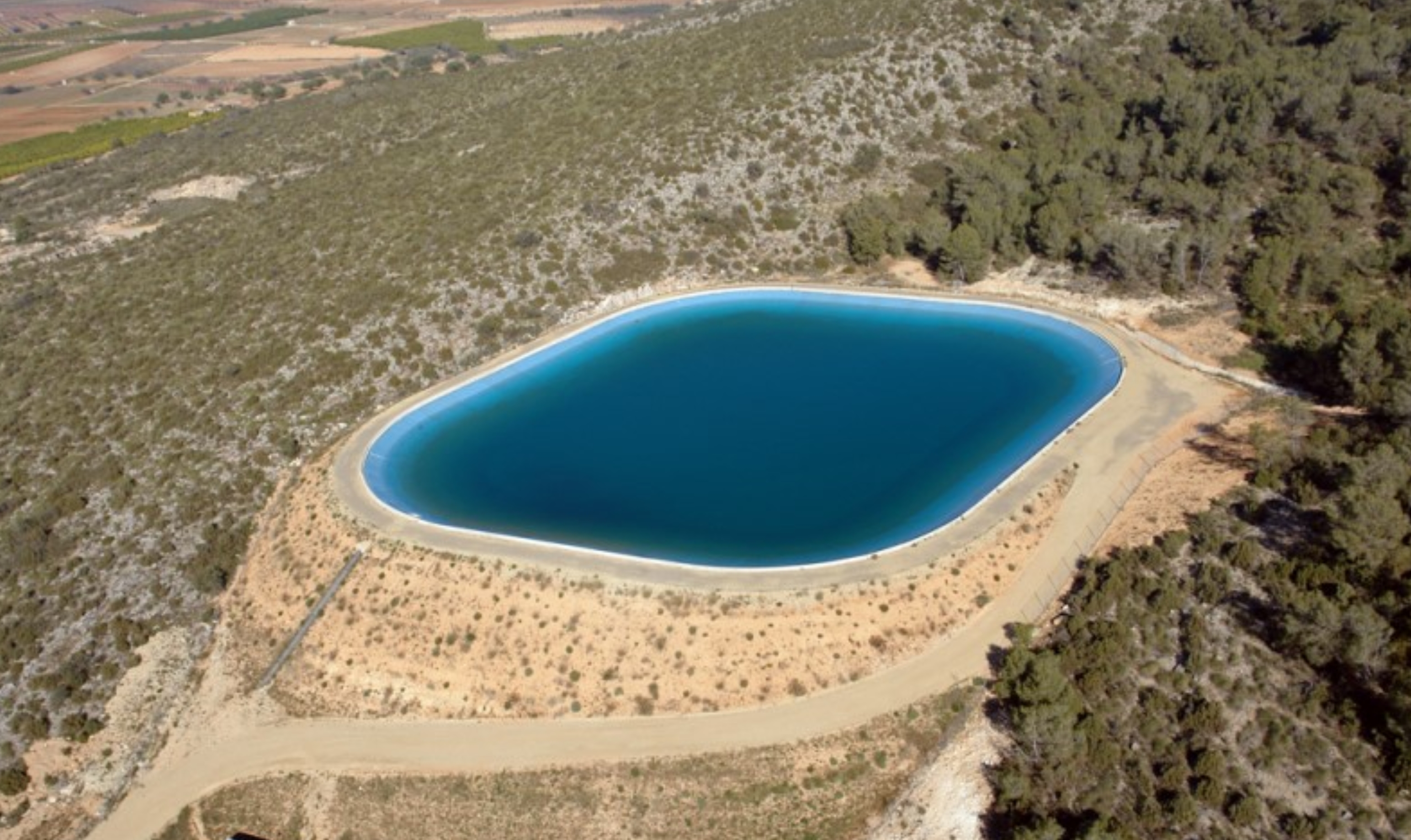
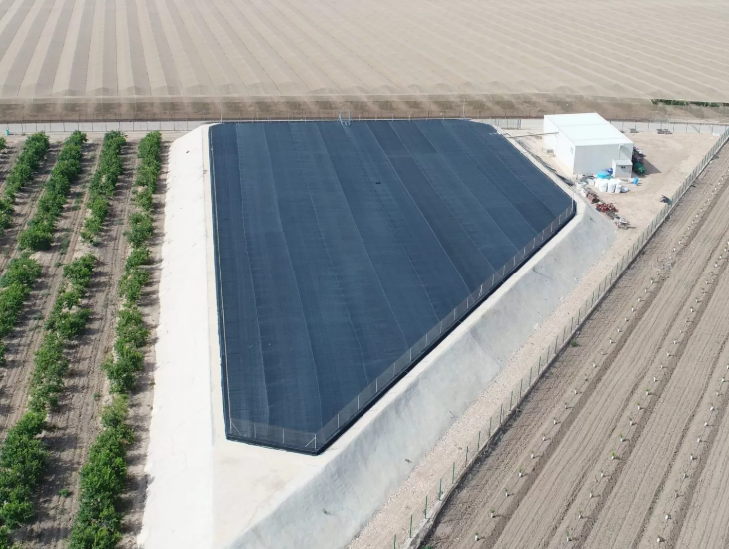
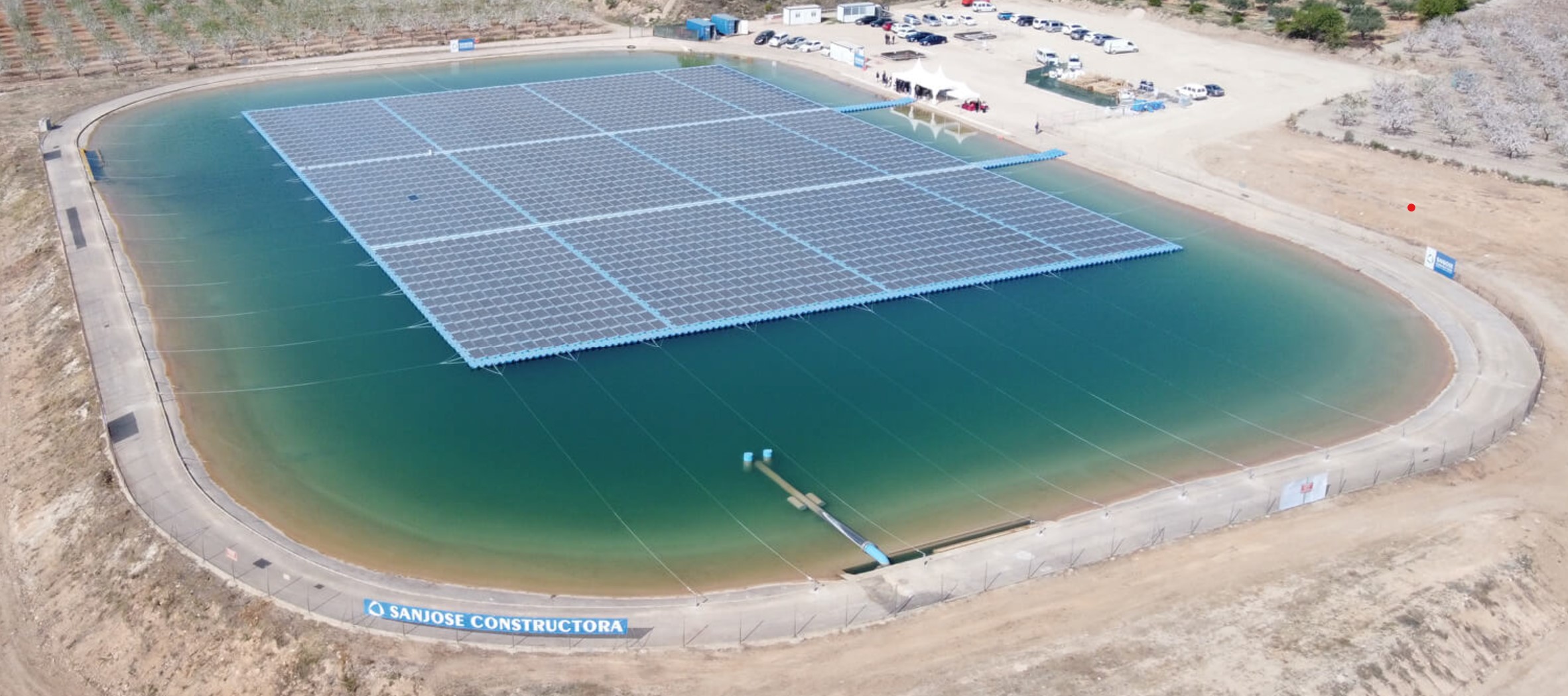
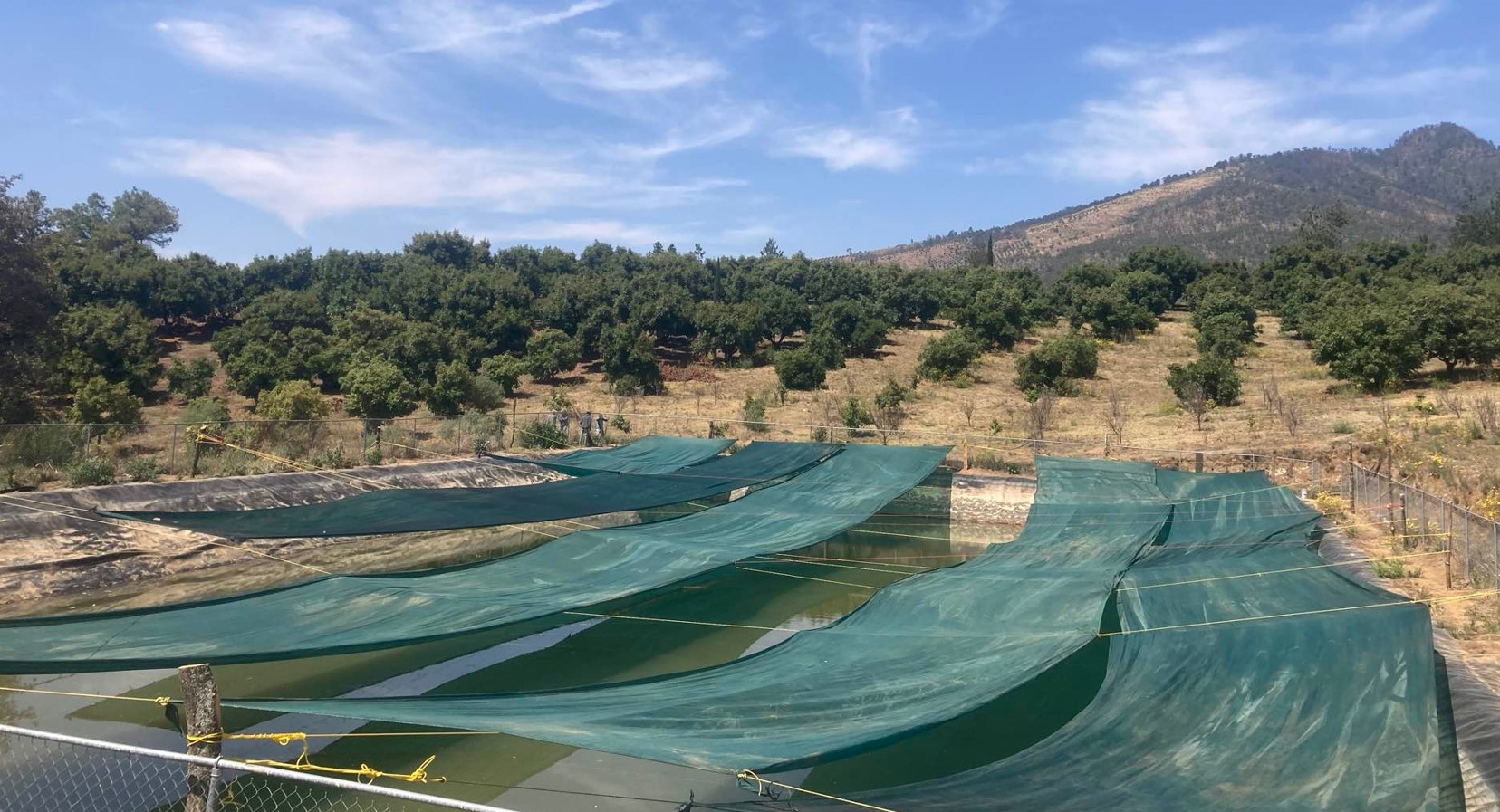
In agriculture, floating covers are used primarily on water storage and irrigation ponds, where they help reduce evaporation, a critical benefit in areas with limited water resources. By keeping water in the reservoir instead of losing it to the air, growers can secure more of the water they have already paid to collect and pump.
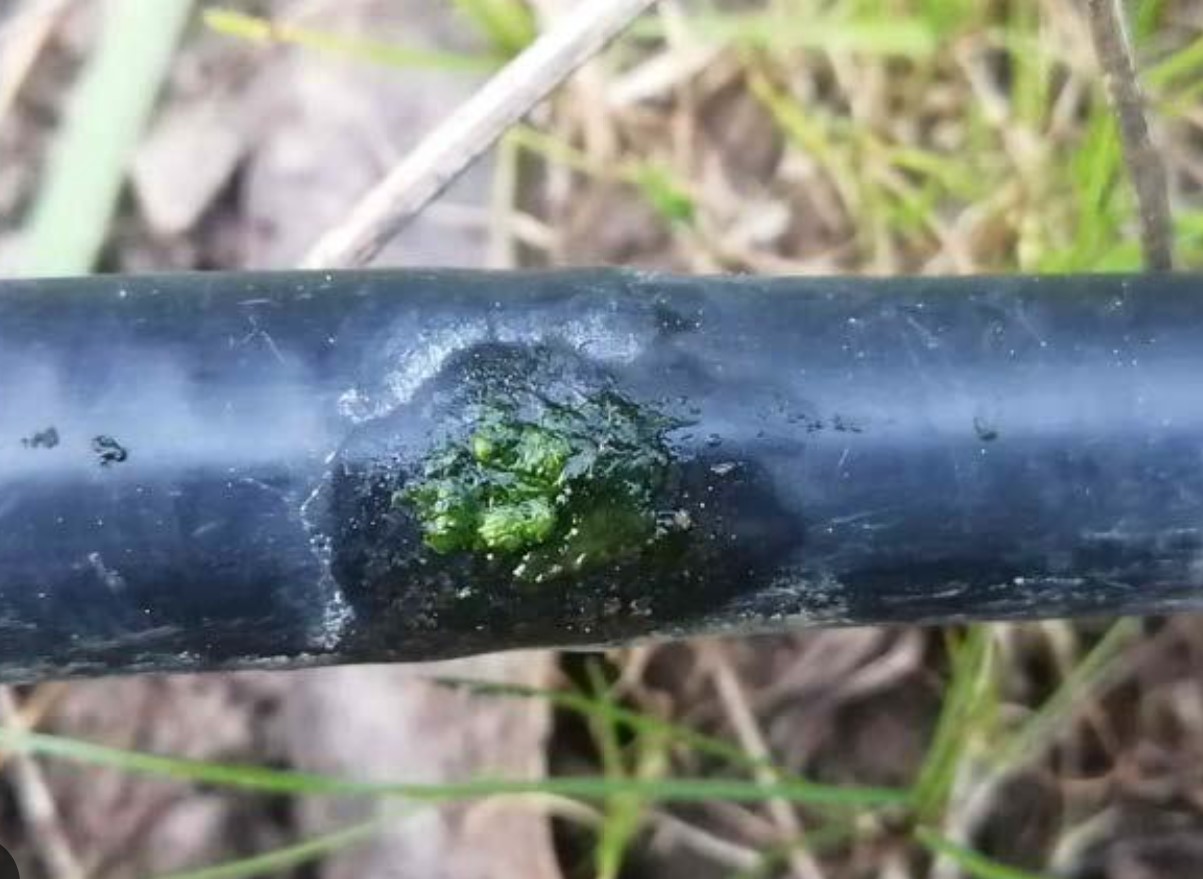
Floating covers also protect water from algae, bacteria, and dust contamination, and discourage birds from landing on the surface. The savings they generate add up across several areas: lower energy consumption for pumping water, reduced labor costs for maintenance, and a smaller need for algaecides and bactericides.
Water treatment plants
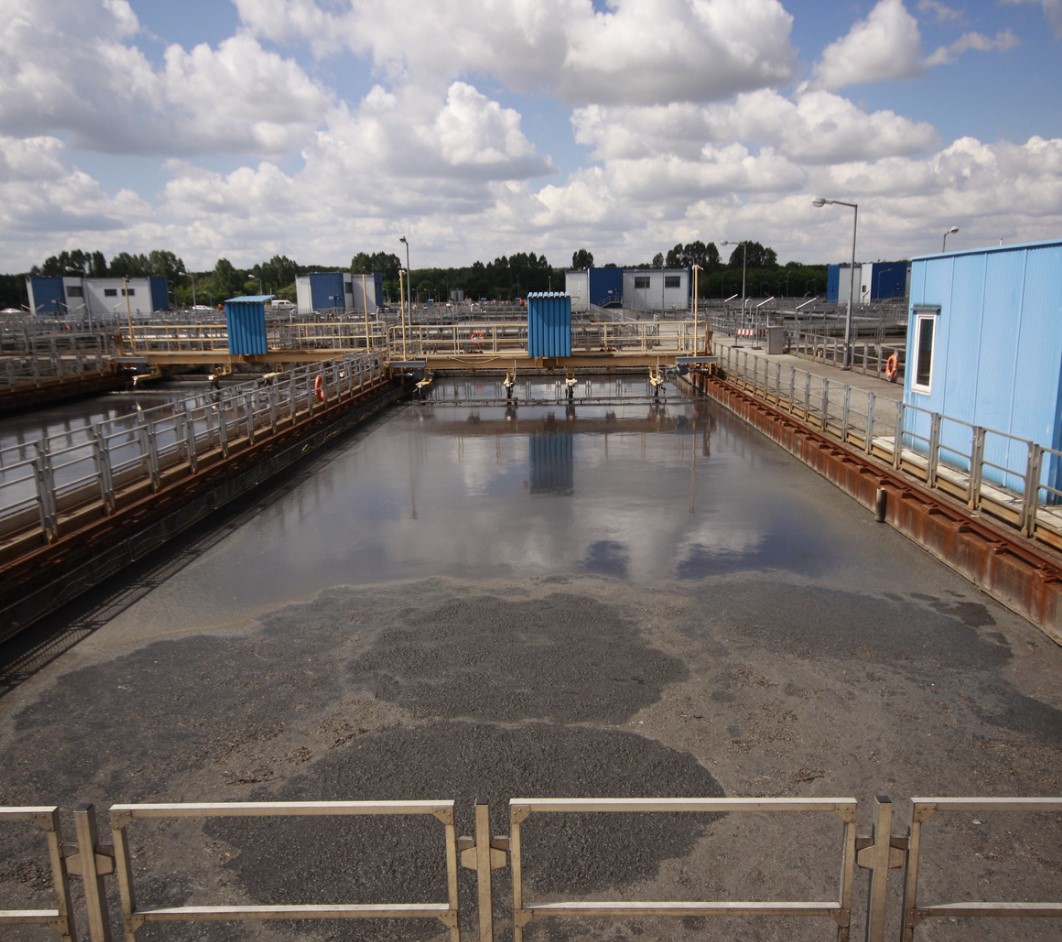
In water treatment plants, floating covers are valuable on sedimentation ponds, chlorination ponds, and treatment lagoons. These covers protect treated water from atmospheric contaminants and prevent algae growth, which improves the quality of the treated water.
They can also reduce operating costs in large facilities, for example, by lowering chlorine demand and limiting evaporation losses. In odor-sensitive applications, covering the surface helps contain emissions at the point where they would otherwise escape.
Mining
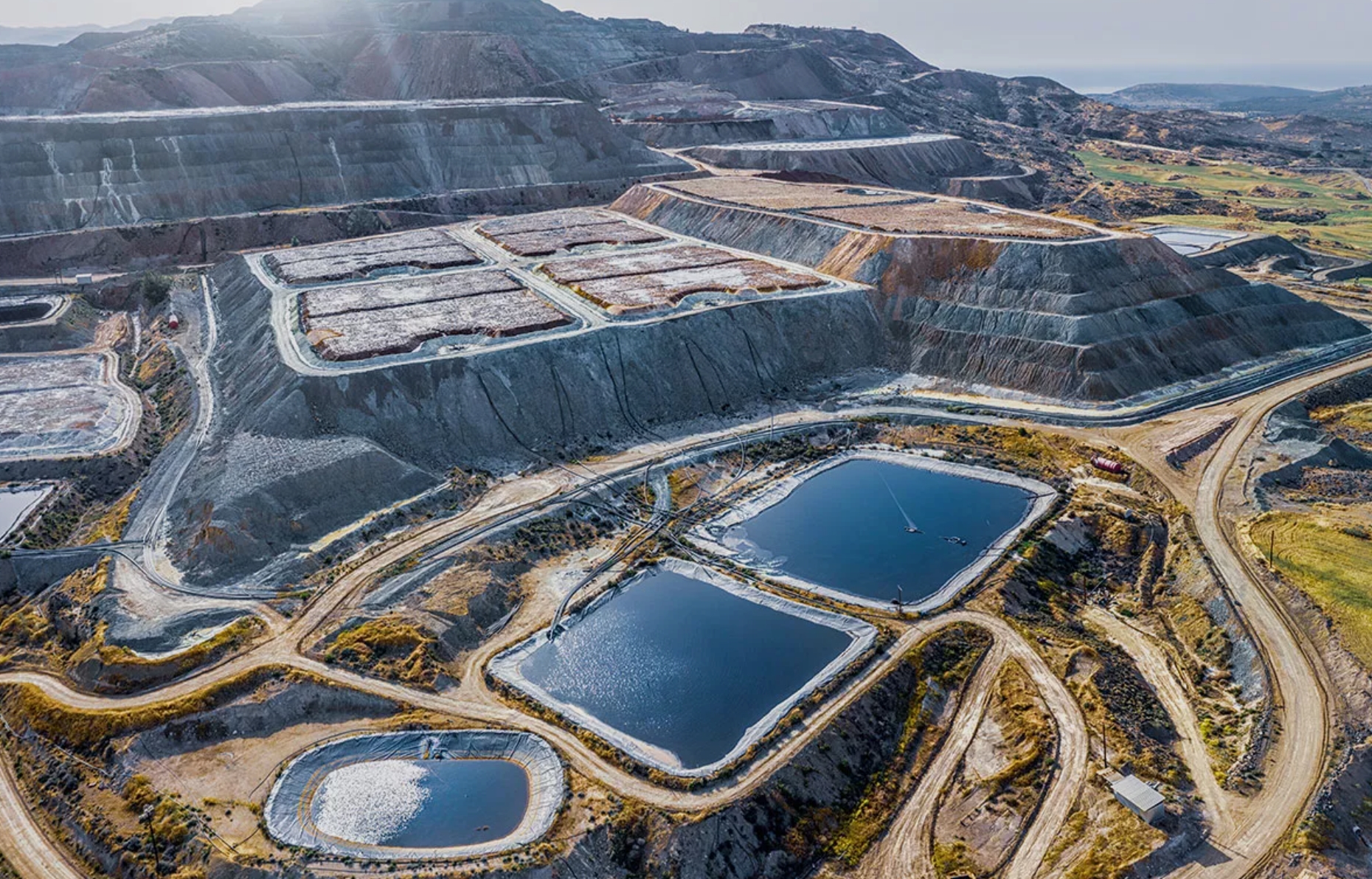
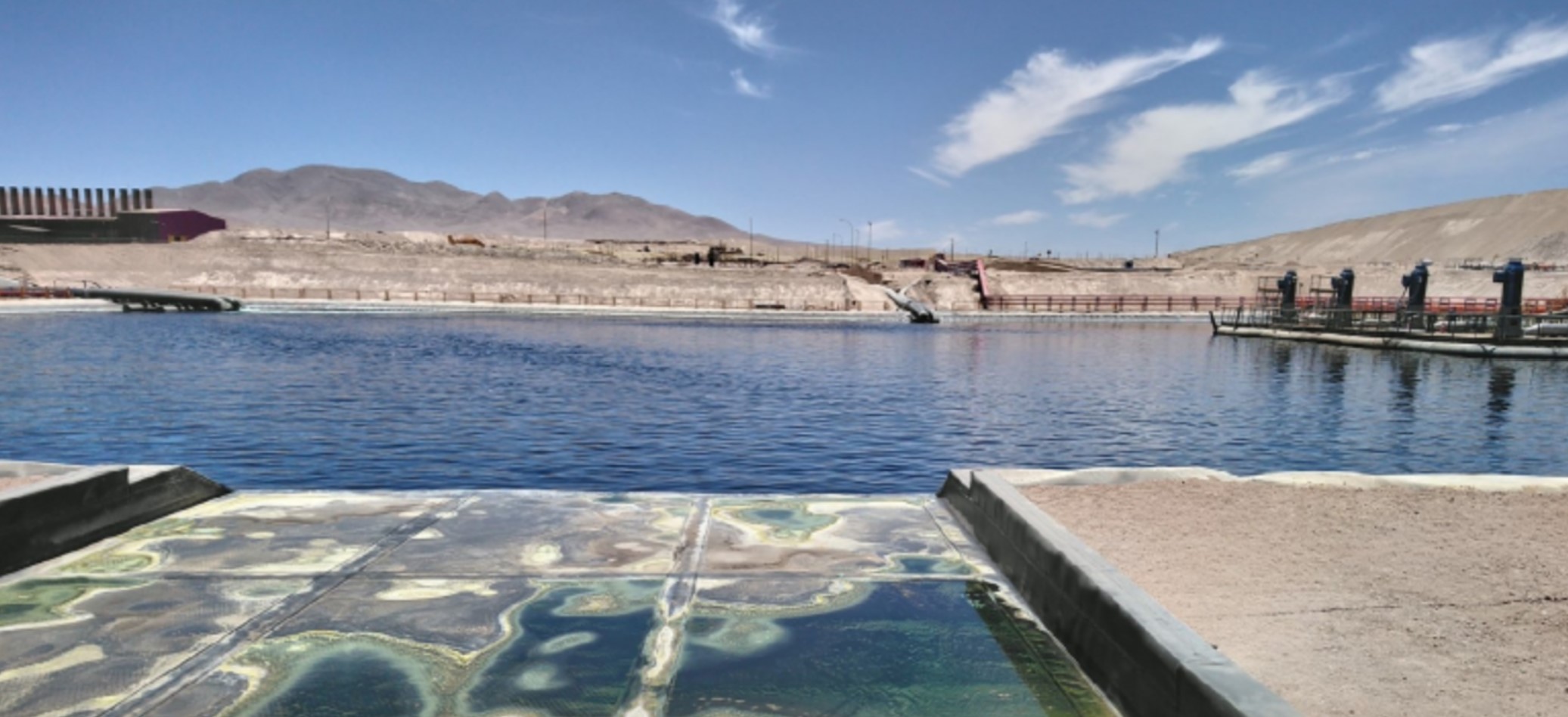
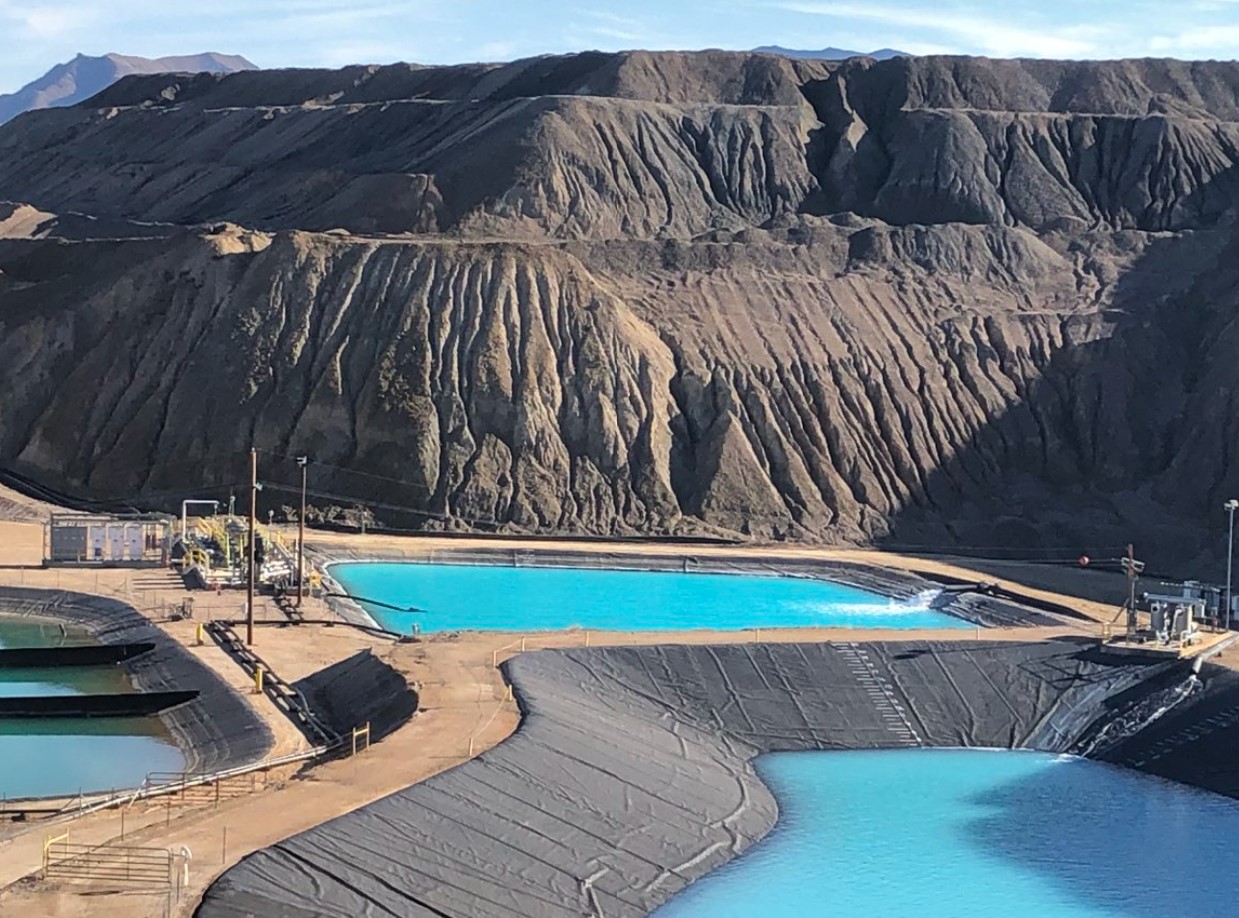
In the mining industry, floating covers are used on water storage ponds and leaching ponds to prevent evaporation and to help maintain the temperature of the solutions used in extraction processes. Retaining water in arid regions and keeping leach solutions at a stable temperature both contribute to the efficiency and sustainability of mining operations, and help operators comply with environmental regulations and water-use commitments.
A continuous physical barrier across the surface also keeps wildlife away from process water that should remain off-limits, an important consideration where solutions contain chemicals or dissolved metals.
Oil & Gas
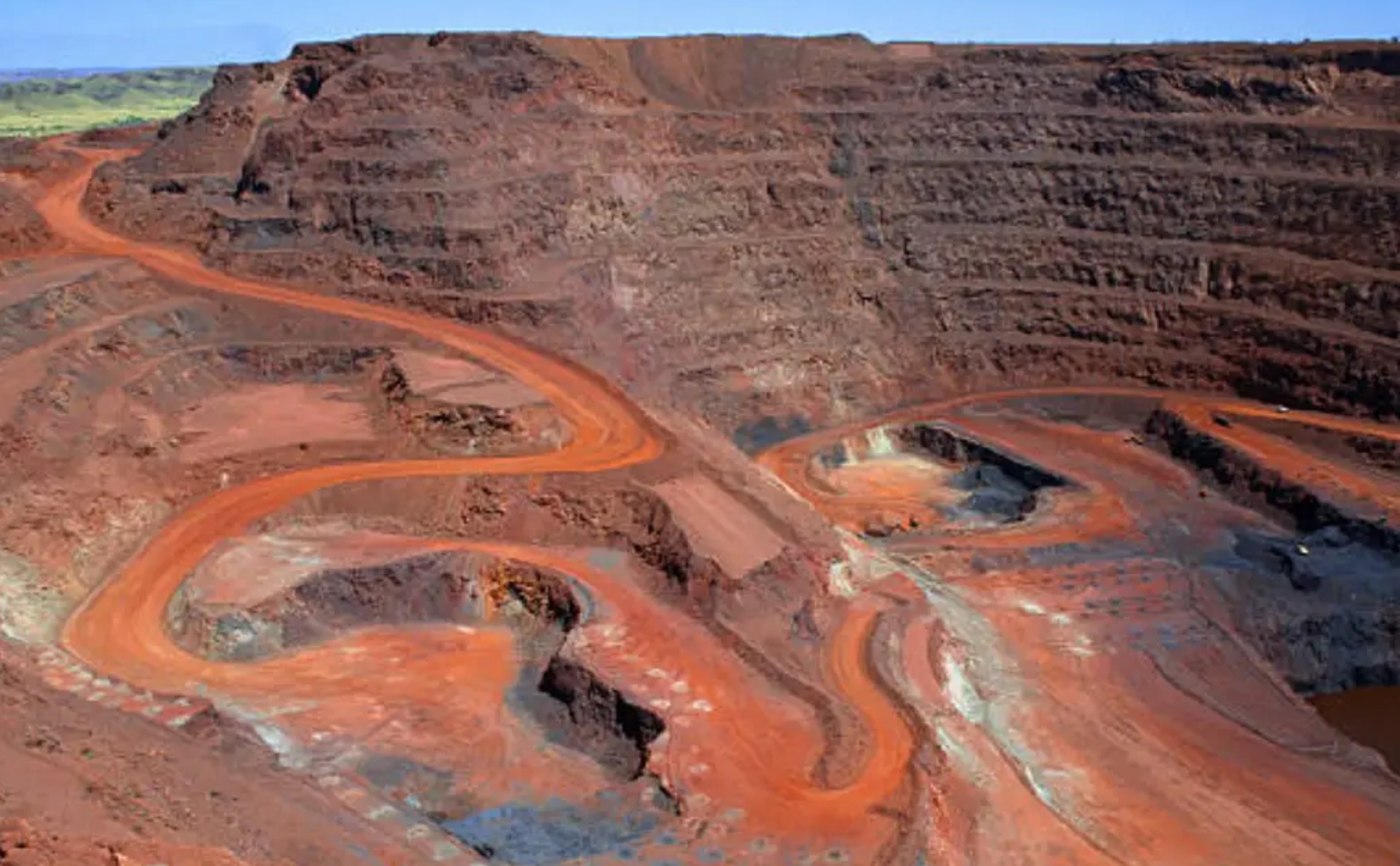
In the oil and gas industry, floating covers are used on water storage tanks, wastewater reservoirs, and process ponds. They help prevent the evaporation of stored water and process solutions, reduce gas emissions, and improve control of volatile compounds at the surface.
Beyond evaporation and emissions, the covers protect water from contamination and make it easier to recover and reuse water within the process, reducing the volume of make-up water the operation needs to source, which is especially valuable at remote or water-scarce sites.
Process industries
Across process industries, including food and beverage production, floating covers are used on wastewater treatment lagoons and water storage ponds to protect the water sources used in production. By blocking light and sealing the surface, the covers help keep water free of microorganisms, algae, and contaminants, ensuring that the water used in production processes and cleaning stays clean and reliable.
The same cover that protects water quality also reduces evaporation and helps contain odor, so facilities solve several problems with a single installation.
Why is the use of floating covers important?
Floating covers are essential for protecting bodies of water, and stored liquids in general, and for supporting sustainability across many industries. They offer versatility, durability, and resistance to extreme weather conditions, and they contribute to reducing operating costs, increasing efficiency, and improving the management of water resources.
They are used in key sectors such as agriculture, water treatment plants, mining, oil and gas, and food production, where they have become a crucial tool for optimizing water use and complying with environmental regulations. By saving water, protecting quality, and lowering operating costs at the same time, floating covers create a virtuous circle: less waste, lower costs, and more sustainable use of a resource that is becoming more valuable every year.
This combination of benefits makes them an innovative solution that not only protects natural resources, but also supports the wider effort toward more sustainable development.
Want to see all the benefits of floating covers ?
Learn more here: