How Much Water Does a Reservoir Actually Lose Through Evaporation and How to Know it
In agriculture, mining, and many other industries, water is an increasingly scarce and valuable resource. Yet thousands of liters are lost every day to a phenomenon that is as silent as it is costly: evaporation. What makes it so dangerous is that most farmers and operations managers never notice the loss, until they run the numbers.
In this article, we will show you:
- How much water actually evaporates from a reservoir.
- How to calculate the water loss in your own operation with a free tool.
- What solutions exist to reduce evaporation in irrigation reservoirs and in mining reservoirs.
How much water evaporates from a reservoir?
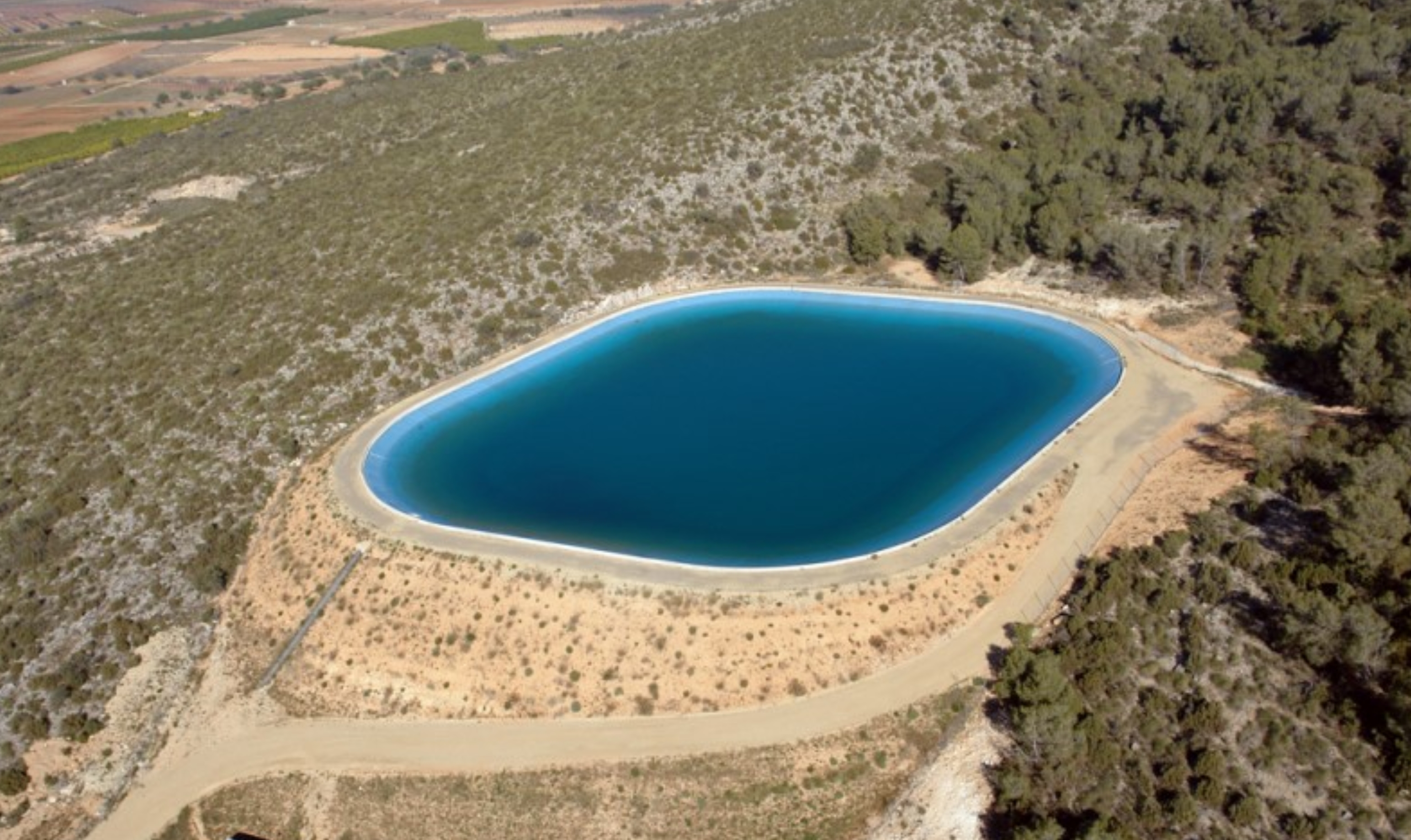
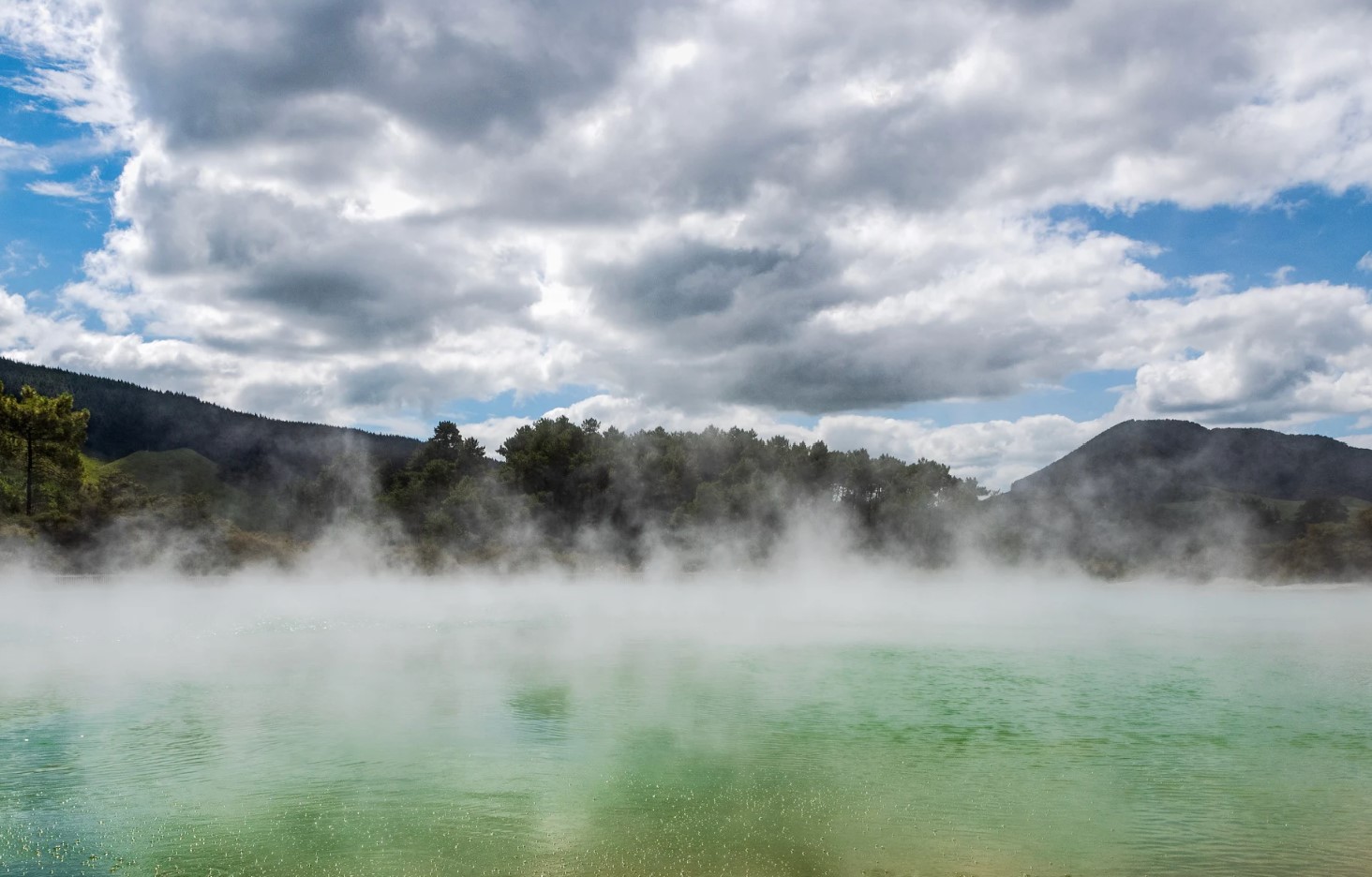
Evaporation depends on factors such as solar radiation, wind, relative humidity, air temperature, and the surface area of the exposed water. On average, an uncovered reservoir can lose between 1,600 and 3,700 liters of water per square meter per year.
Invisible losses that cost millions
When you apply those figures to a real reservoir, the scale of the problem becomes clear:
- A 1-hectare reservoir (10,000 m²) can lose up to 37,000 liters per day.
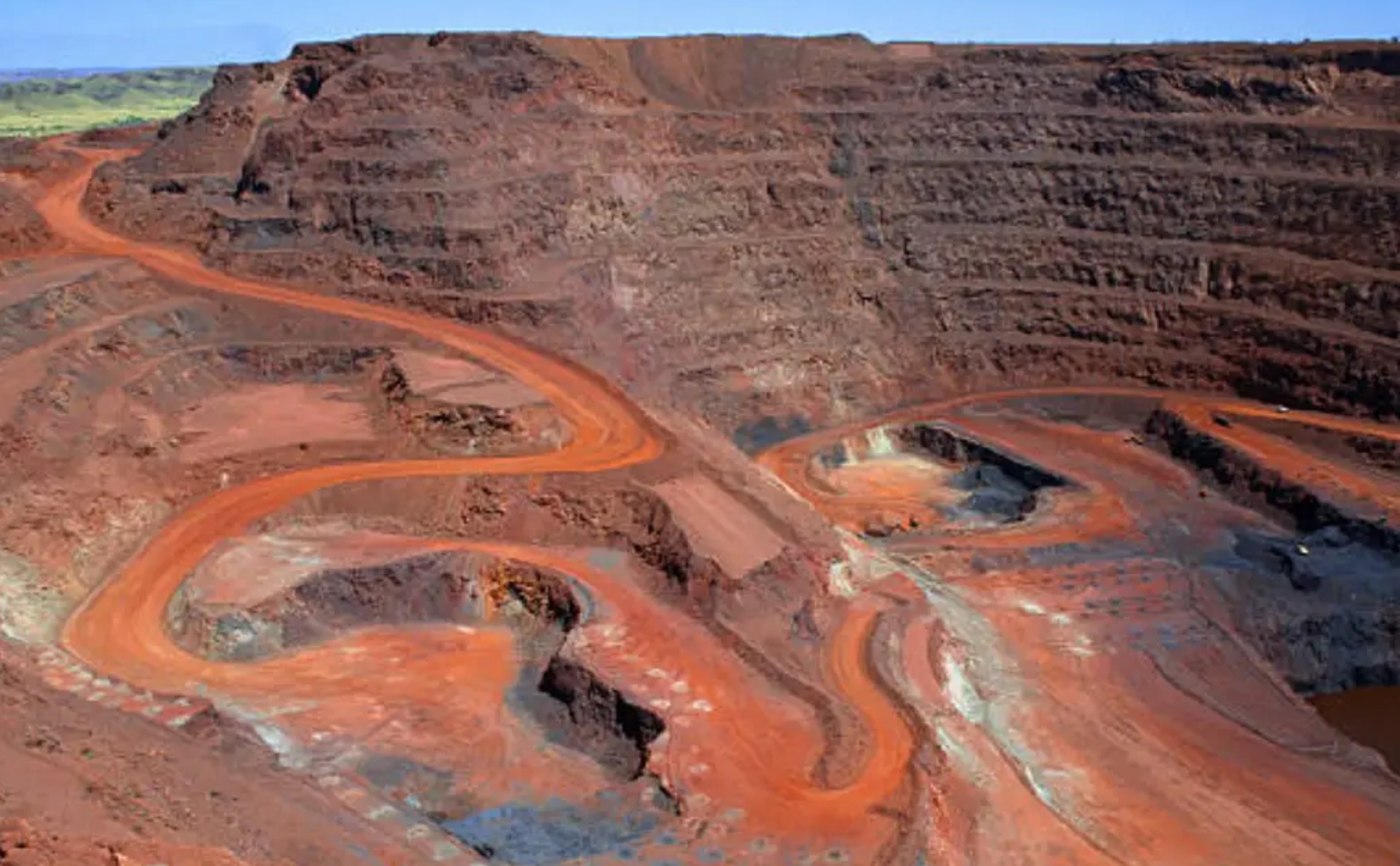
- Mining reservoirs are often far larger, so their evaporation losses can reach tens of millions of liters per year.
Under these conditions, reducing evaporation is not just an environmental measure. It is an economic and operational necessity.
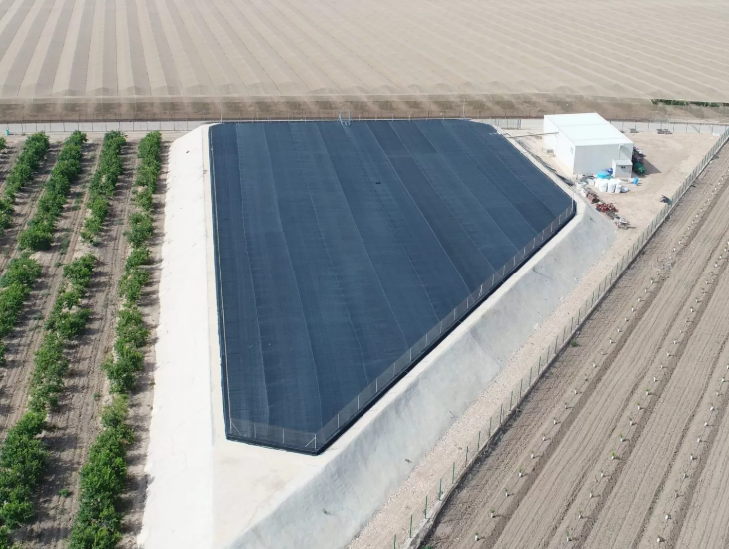
Case 1, Agriculture: A blueberry grower in Peru with a 2-hectare reservoir estimated that "there was just enough water for the season." After calculating evaporation, he discovered he was losing more than 42 million liters every year to sun and wind exposure alone.
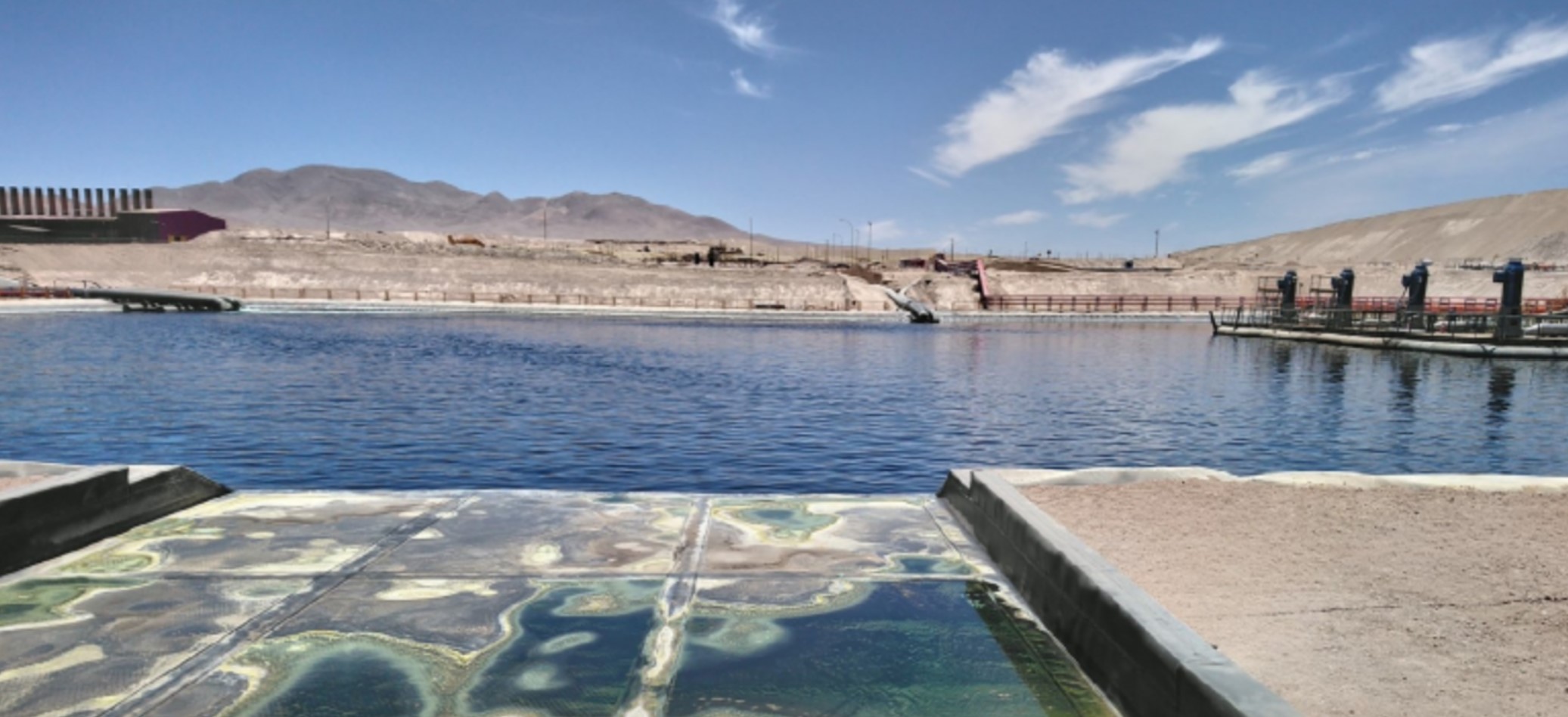
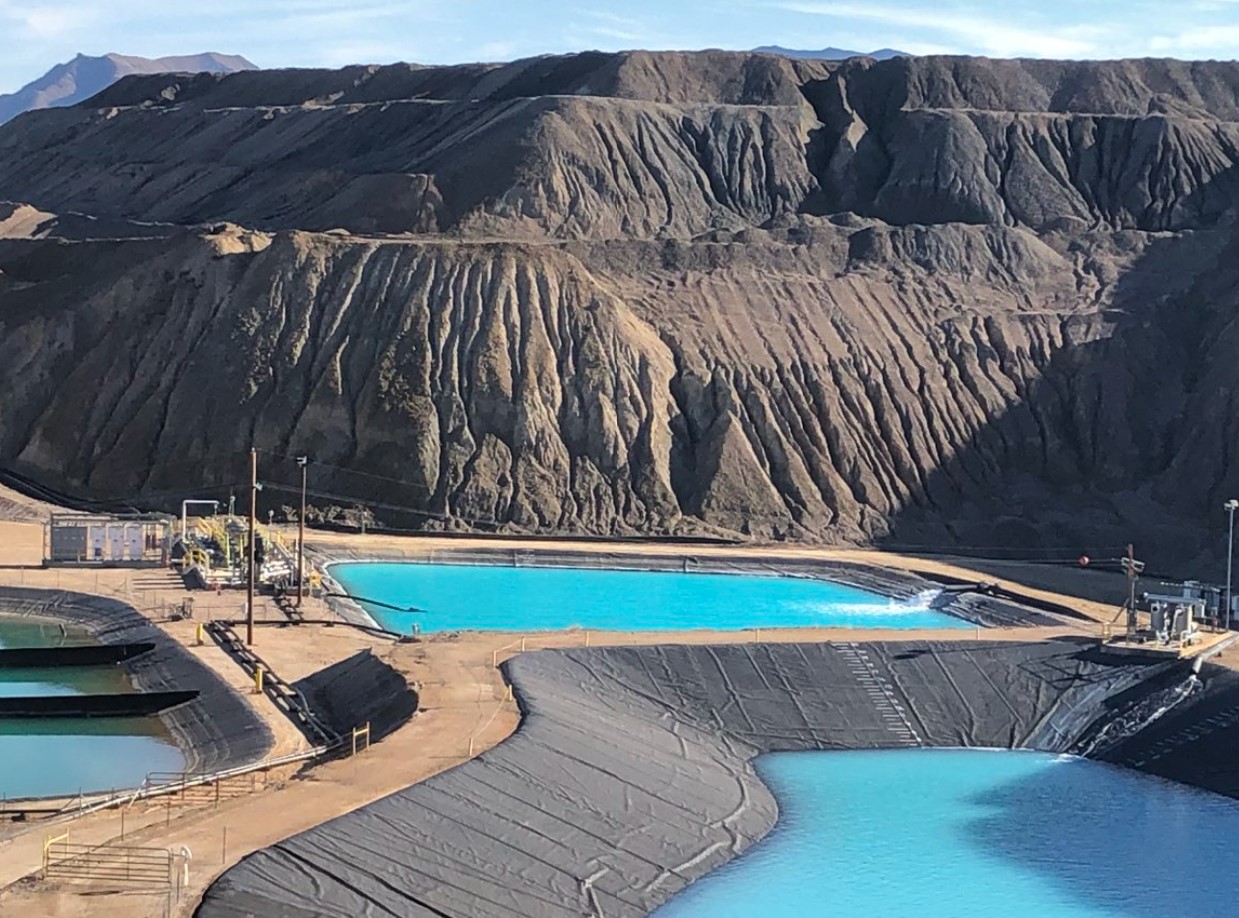
Case 2, Mining: In Chile, a 5-hectare reservoir can lose 185 million liters per year, compromising processes and forcing the operation to consume even more fresh water.
How to calculate evaporation in your reservoir for free
At Covex®, we have developed our own algorithm that accurately estimates how much water evaporates in each specific case. We make it available to farmers and companies free of charge, because we believe that good information is the first step toward water efficiency.
To request your free Covex® evaporation report:
- Contact us.
- Tell us the surface area (in m² or hectares) and the location of your pond(s).
- Once the report is ready, we will schedule a video call to walk you through it.
With this report, you will have a clear estimate of how much water you are losing, and how much you could recover if you decide to cover your reservoir.
Solutions to reduce evaporation in reservoirs
There are several alternatives, but not all of them are equally effective. These are the most common:
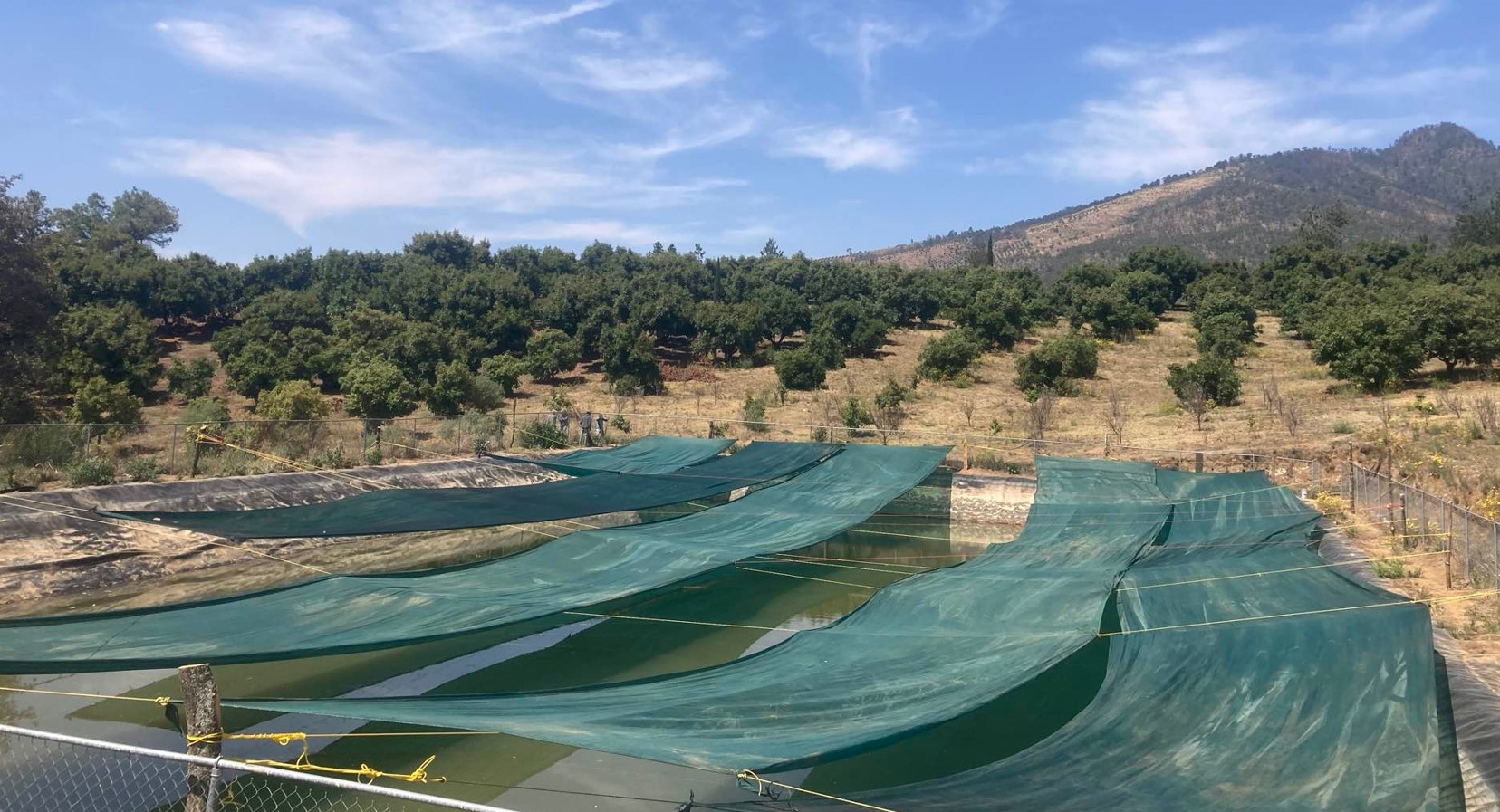
- Shade nets and geomembranes: they partially reduce solar exposure, but they do not stop wind-driven evaporation.
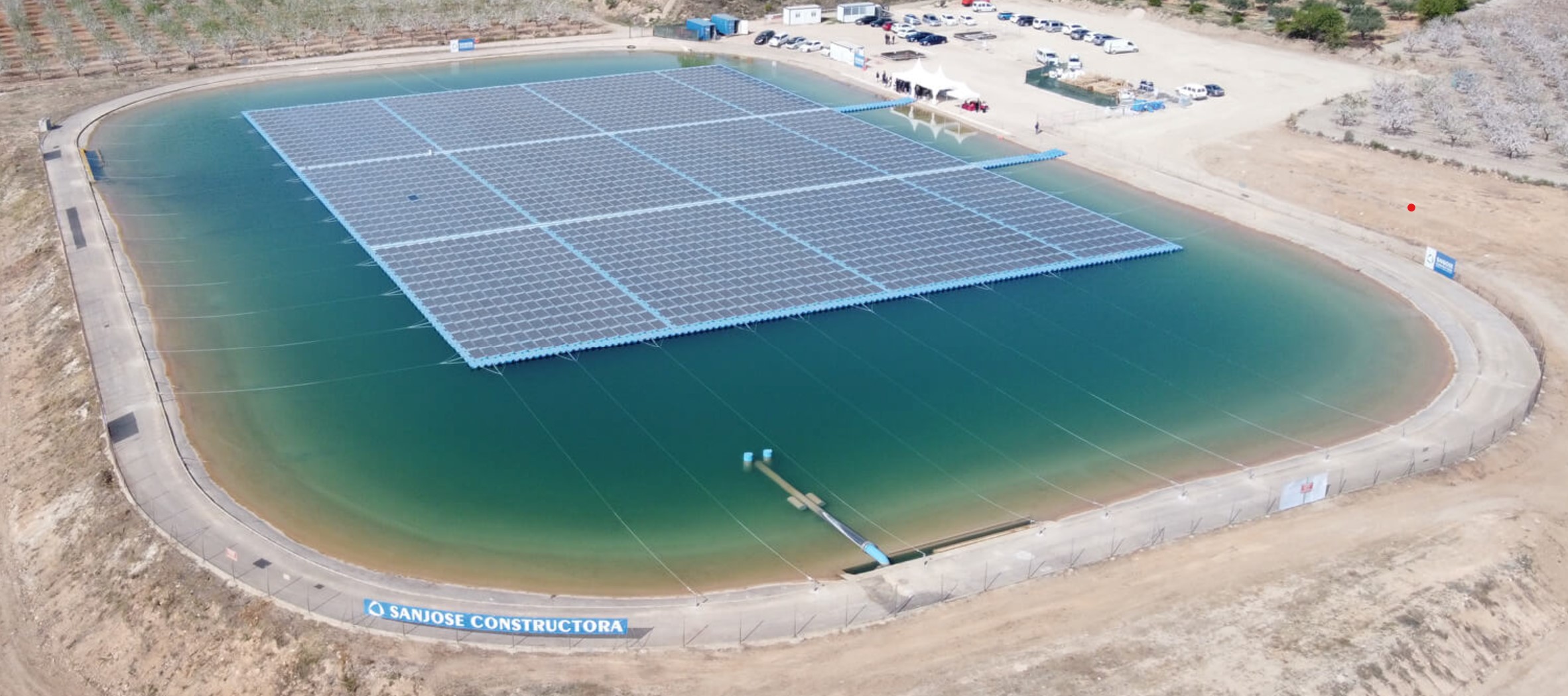
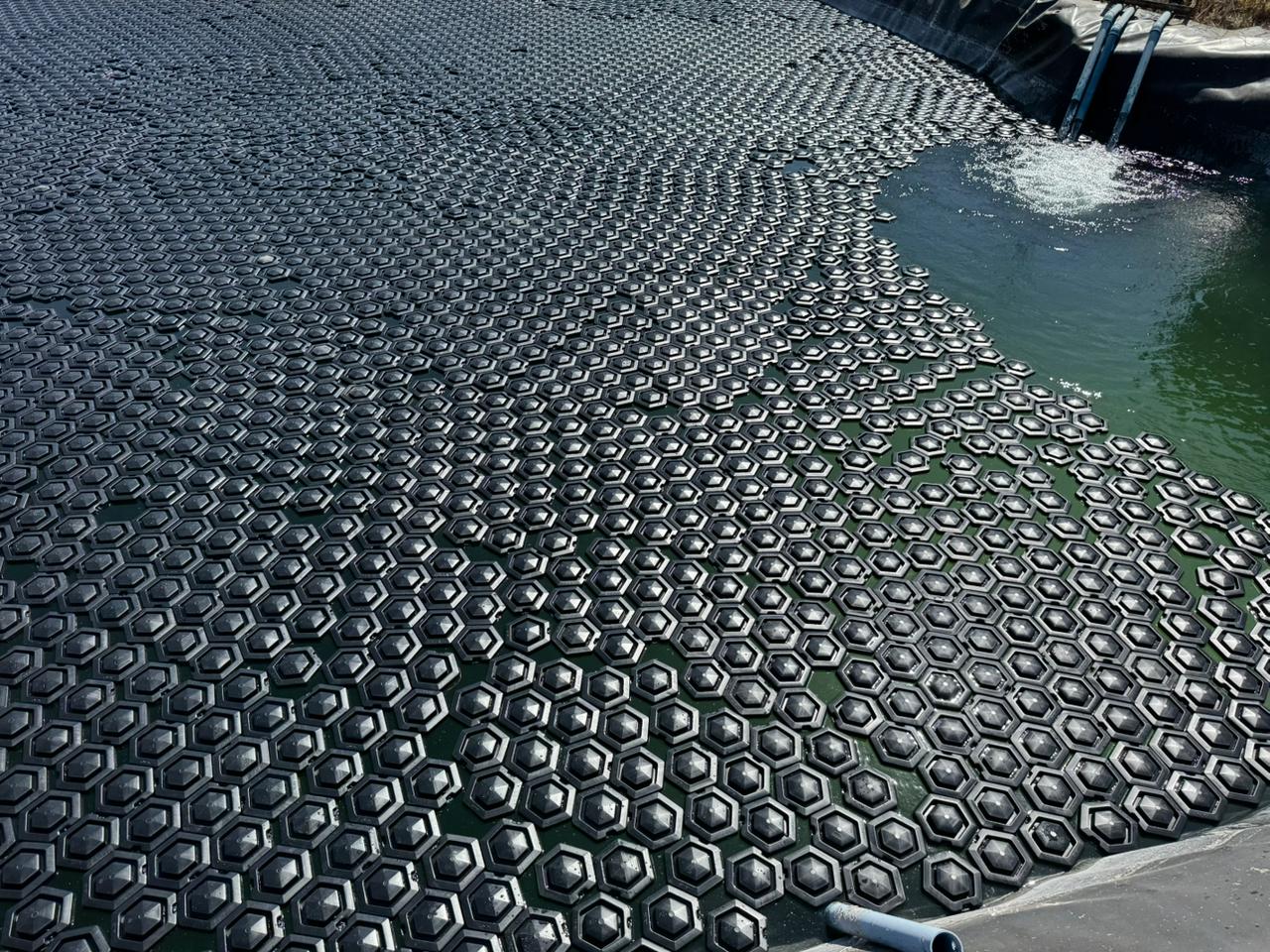
- Floating covers: modular HDPE covers that adapt to any pond size and reduce evaporation by more than 90%.
Beyond saving water, floating covers also help:
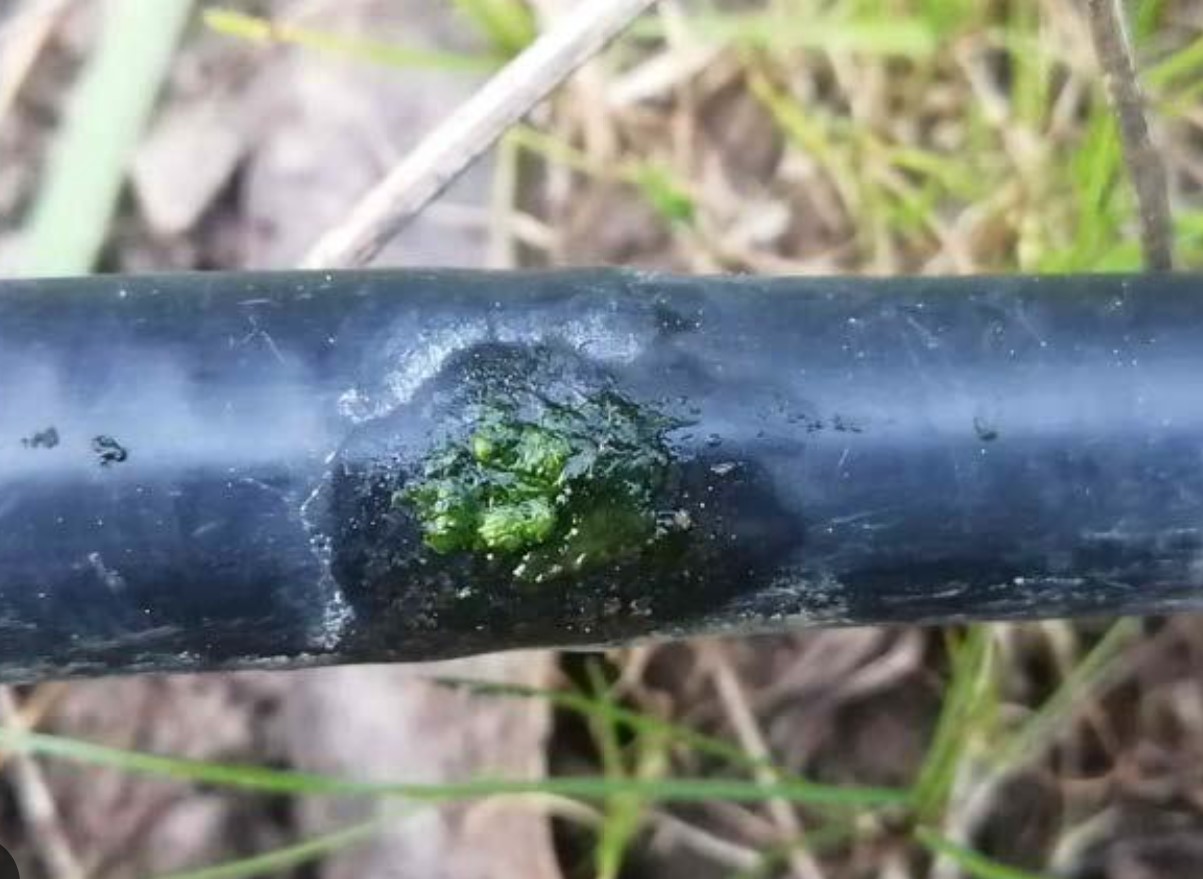
- Prevent algae growth in irrigation reservoirs.
- Improve water quality by keeping out dust and organic matter.
- Lower water temperature, optimizing agricultural and mining processes.
Environmental benefit: a circular water economy
Every liter of water recovered is one less liter extracted from rivers, groundwater, or desalination plants. This reduces the water footprint of agriculture and mining, and positions companies as leaders in sustainability.
- Reducing evaporation in irrigation reservoirs means more water for crops, less stress during droughts, and lower irrigation costs.
- Reducing evaporation in mining reservoirs ensures stable processes, lower environmental impact, and compliance with ESG commitments.
Conclusion: protecting every drop matters
Reducing evaporation in reservoirs is not only about saving money. It is about securing water for the future.
Request your free evaporation report and discover how many millions of liters you could recover with Covex®.