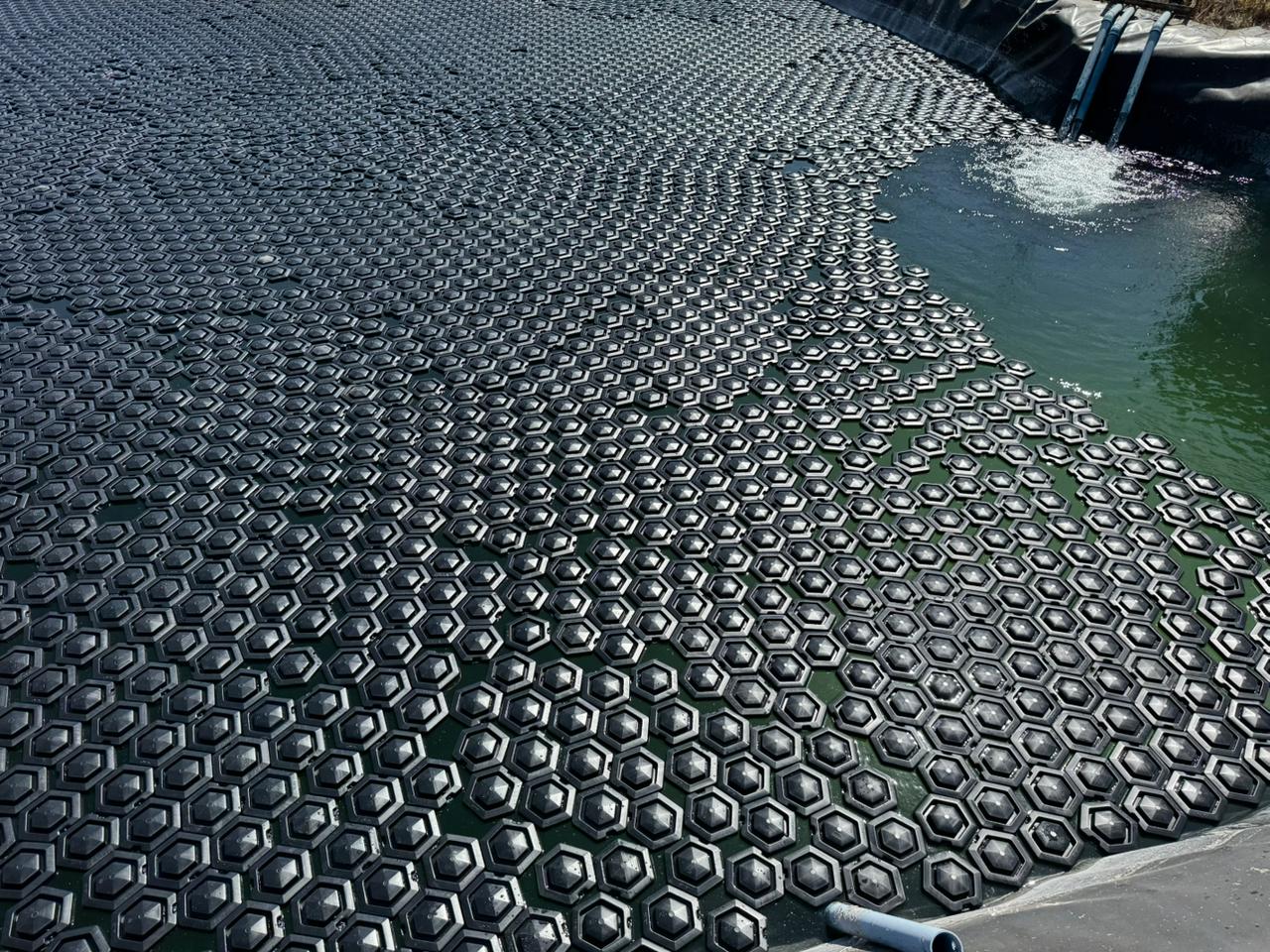
What Are Floating Covers?

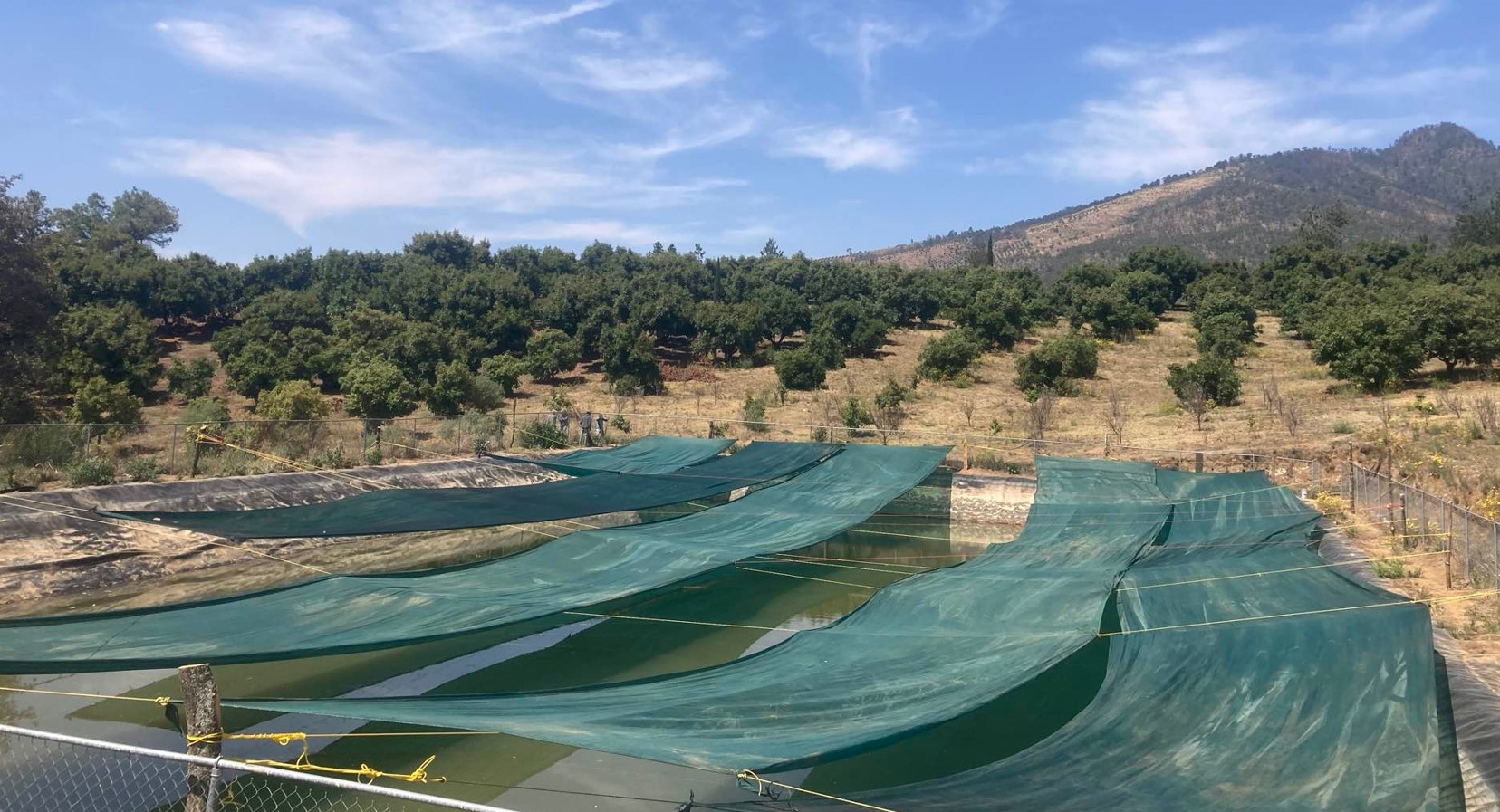
Floating covers are like large blankets that are placed on top of the water and stay afloat. These covers are made of special materials that do not sink, but stay above the water. Below we will review what they are, how they work, what materials they are made of, where they are used, and why they have become such an important tool for protecting and conserving water.
How do floating covers work?
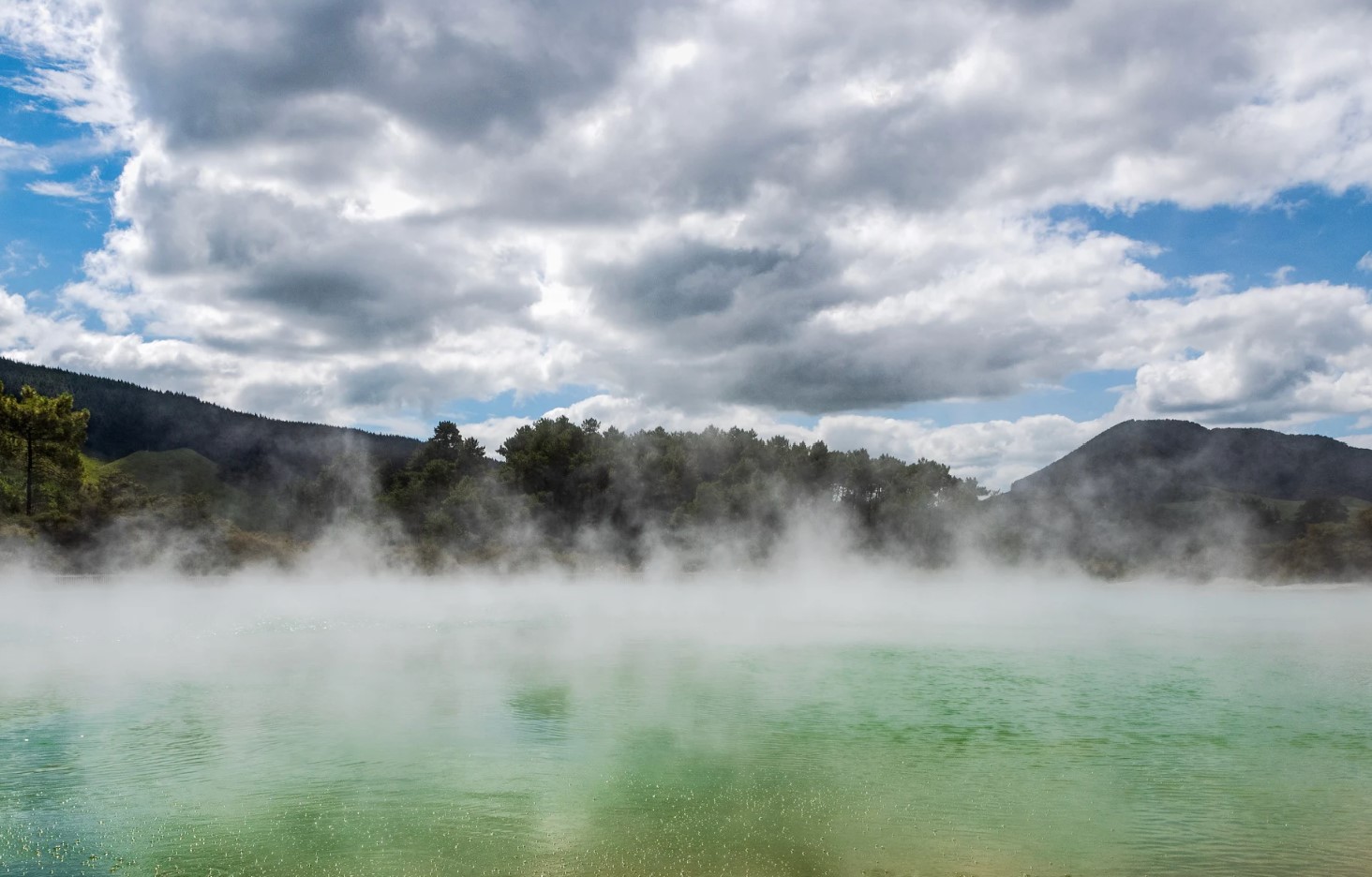
A floating cover does its job simply by sitting on the surface of the water and separating it from the air, the sun, and the environment above. That thin boundary, the point where water meets air, is where most of the problems with open water happen: water evaporates into the air, sunlight drives the growth of algae, dust and debris settle in, and birds and other wildlife land on the surface. By placing a physical layer right at that boundary, a floating cover interrupts all of these processes at once.
The effect comes from a few basic mechanisms working together. The cover shades the water, blocking the sunlight that algae need to grow and lowering the surface temperature. It traps a thin layer of humid air against the surface, which slows down evaporation. And it acts as a physical barrier, keeping out dust, debris, and wildlife while keeping the water in. Depending on the design and how much of the surface is covered, these effects can be very significant.
What problems do floating covers solve?
Open bodies of water: reservoirs, ponds, lagoons, and tanks, face a common set of challenges, and a floating cover addresses several of them with a single solution:
- Evaporation: In hot, dry, or windy climates, an uncovered reservoir can lose enormous amounts of water to evaporation every year. A floating cover dramatically reduces this loss, keeping water available where it is needed.
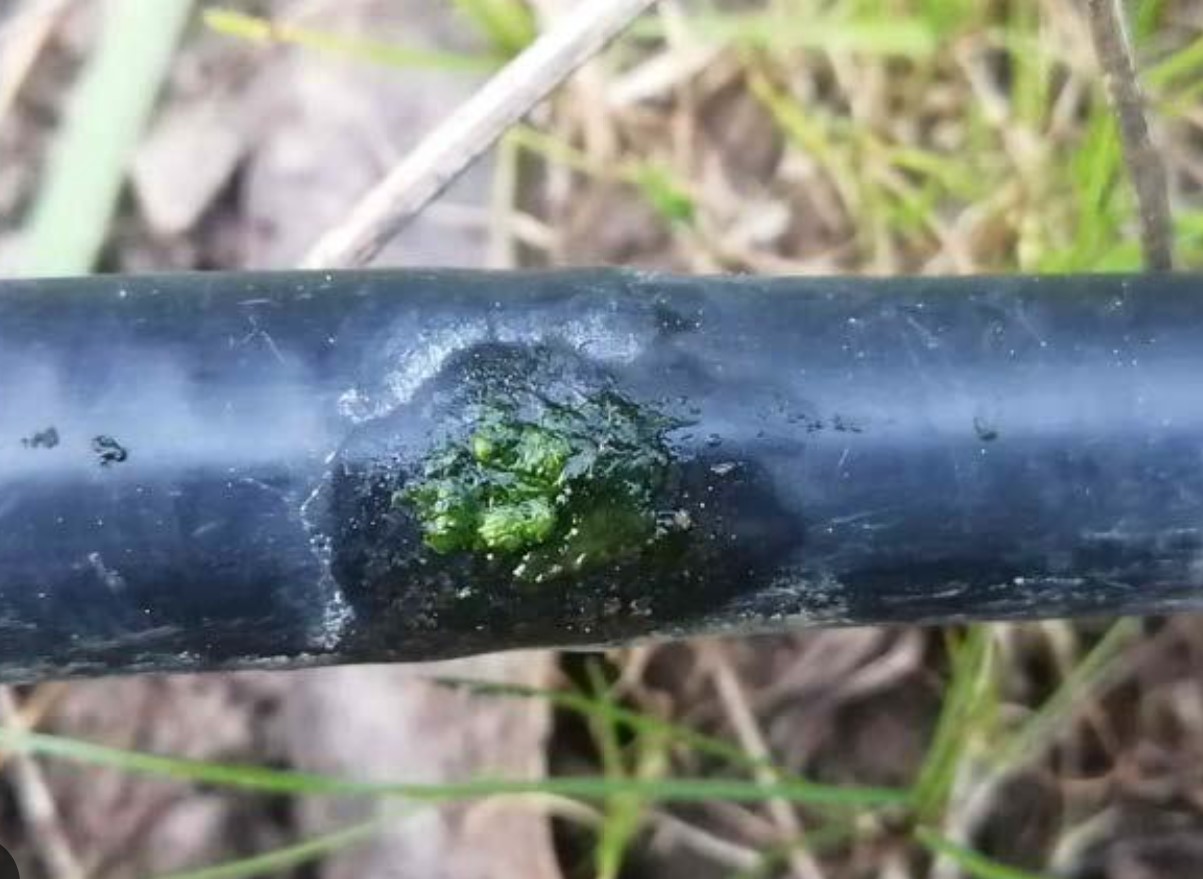
- Algae growth: Algae need sunlight to grow. By blocking light, a floating cover suppresses algal blooms without the need for chemicals, protecting water quality.
- Contamination: The cover keeps out windblown dust, debris, and organic matter, helping to maintain cleaner water.
- Odor: In wastewater and similar applications, much of the odor escapes at the water surface. Covering that surface helps contain it.
- Wildlife: A continuous surface barrier discourages birds and other animals from landing on water that should stay undisturbed or off-limits.
What materials are used to make floating covers?
Floating covers are made of plastics and other polymers that help them stay afloat and protect the water from things like evaporation or contamination by algae, bacteria, or dust. Each material has its own balance of durability, flexibility, chemical resistance, and cost. The most common materials are:
High-density polyethylene (HDPE)
This is one of the most commonly used materials for the manufacture of geomembranes and floating elements due to its high resistance to water, chemicals, and ultraviolet (UV) radiation. HDPE is flexible, resistant to cracks, and has a long lifespan. In addition, its waterproofing capacity is excellent, making it ideal for preventing evaporation or contamination of bodies of water. Because it tolerates a wide range of water chemistry, from acidic to alkaline, HDPE is a frequent choice in demanding industrial and mining environments.
Polypropylene (PP)
Polypropylene is also used to make geomembranes and floating elements, although it is less common than HDPE. This material has similar properties to HDPE, but is more temperature resistant, making it useful in applications where exposure to high temperatures is an important factor.
Elastomers (EPDM)
EPDM (ethylene propylene diene monomer) is a rubber material used in certain floating geomembranes. It is very flexible and resistant to extreme temperature conditions, making it suitable for environments with significant climatic variations. It is also UV and corrosion resistant.
PVC (polyvinyl chloride)
In some cases, floating geomembranes are made from PVC, which is a versatile and economical material. Although it is less resistant than HDPE in terms of long-term durability, it is an option used in applications where cost is an important factor. PVC is especially effective in applications where a flexible and easy-to-install material is required.
Continuous covers versus modular systems
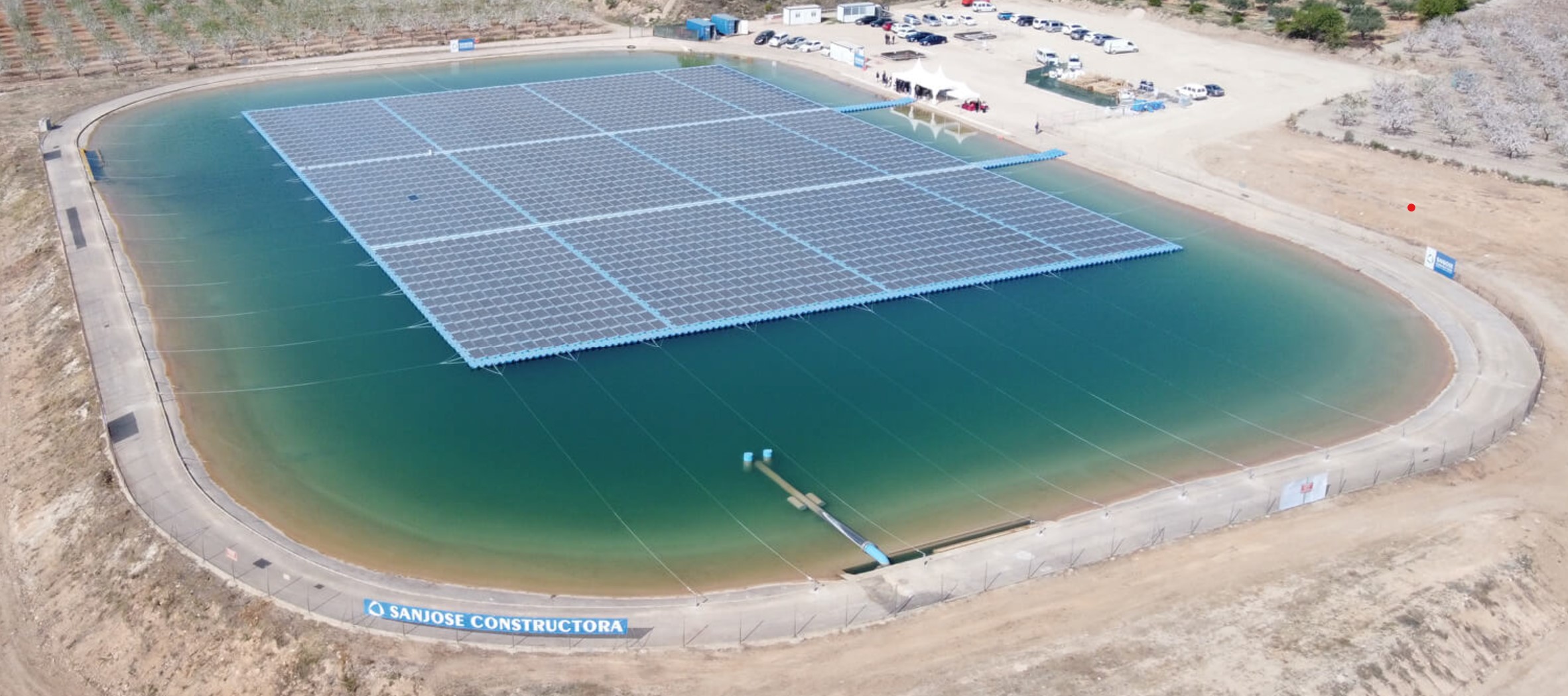
Beyond the material, floating covers also differ in their form. Some are continuous covers, a single large sheet or membrane that spans the entire water surface. Others are modular systems made up of many smaller floating units that interlock or arrange themselves across the surface.
Continuous covers create a fully sealed surface but can be harder to install on irregularly shaped bodies of water, more difficult to repair, and more vulnerable to wind. Modular systems, by contrast, conform to any shape, rise and fall with changing water levels, and can be repaired one unit at a time without affecting the rest of the cover. The right choice depends on the size and shape of the water body, the climate, the water chemistry, and how the site is operated.
Where are floating covers used?
Floating covers are used across a wide range of settings wherever open water needs to be protected or conserved:
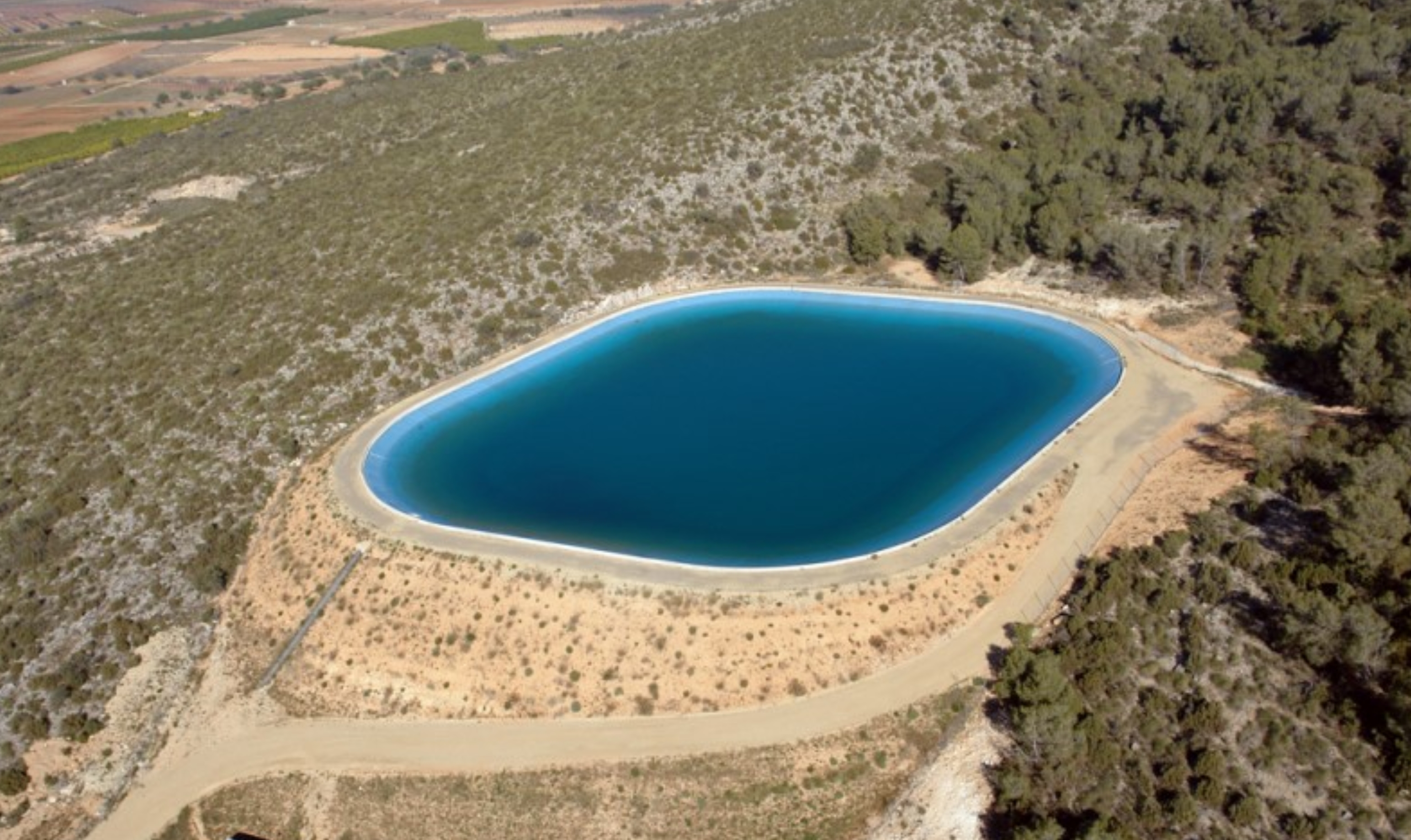
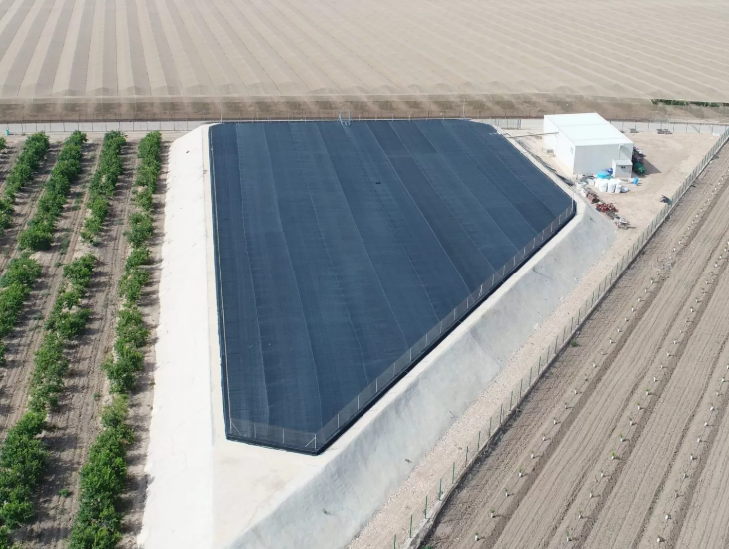
- Agriculture: conserving irrigation water in reservoirs and storage ponds.
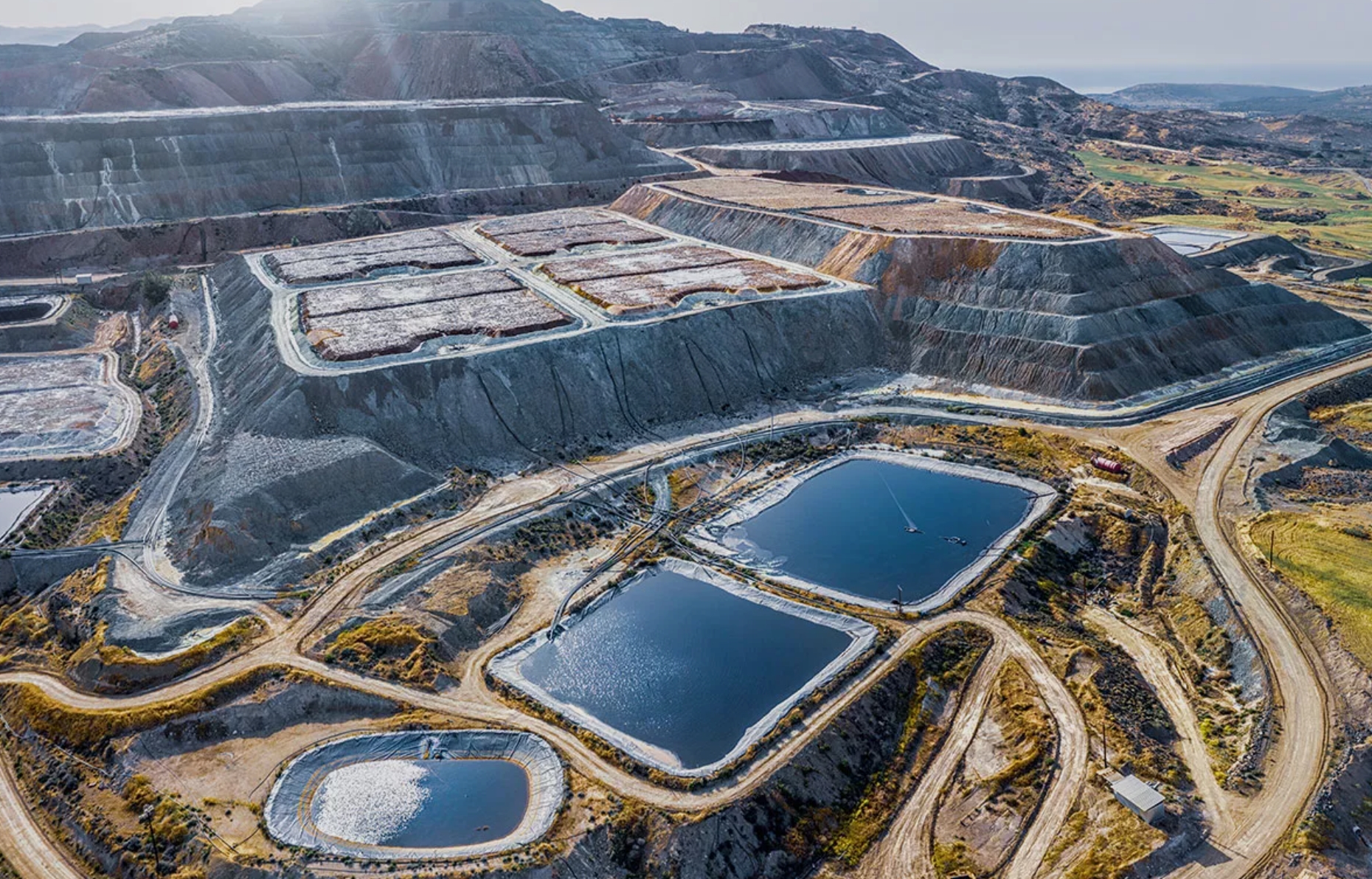
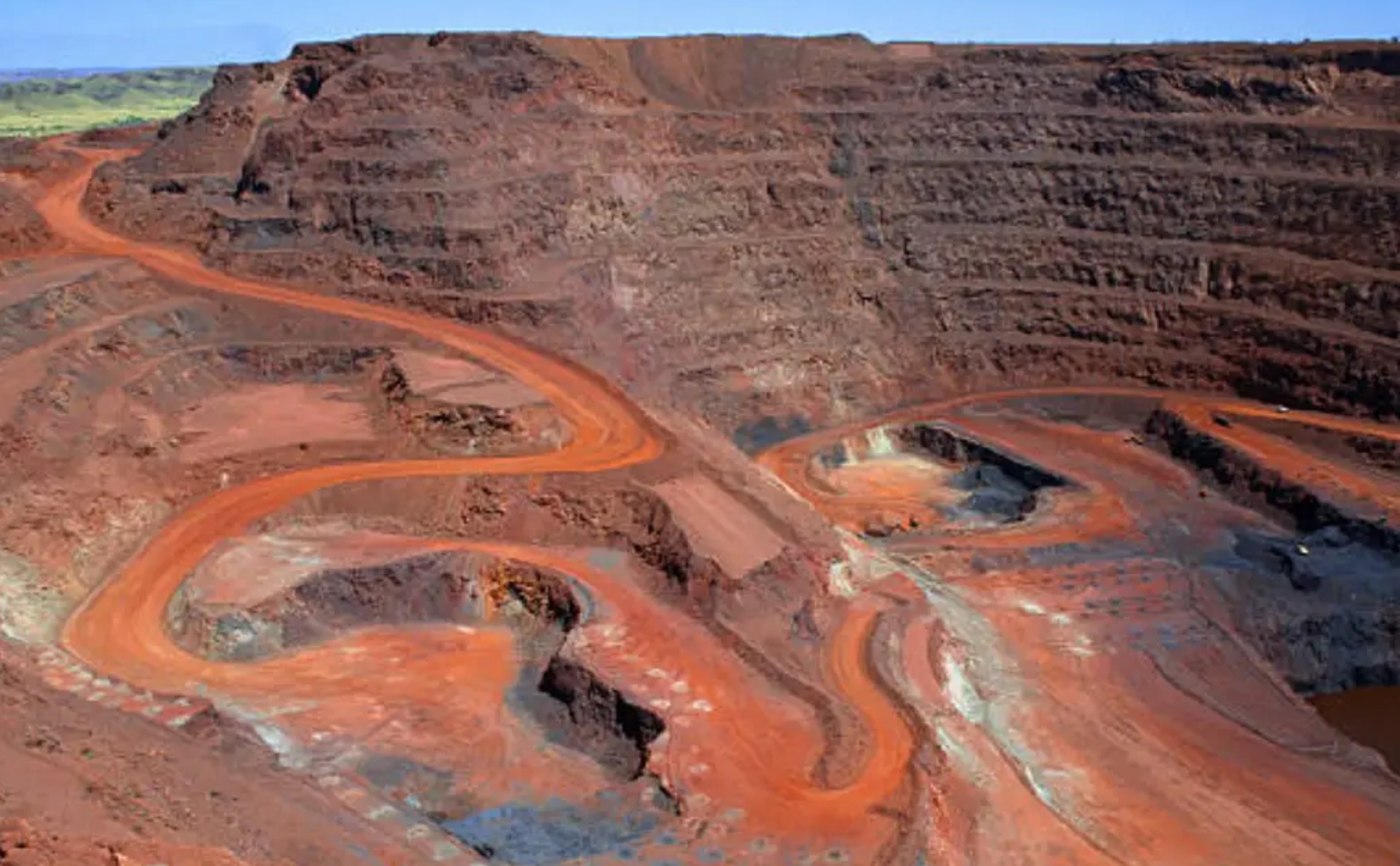
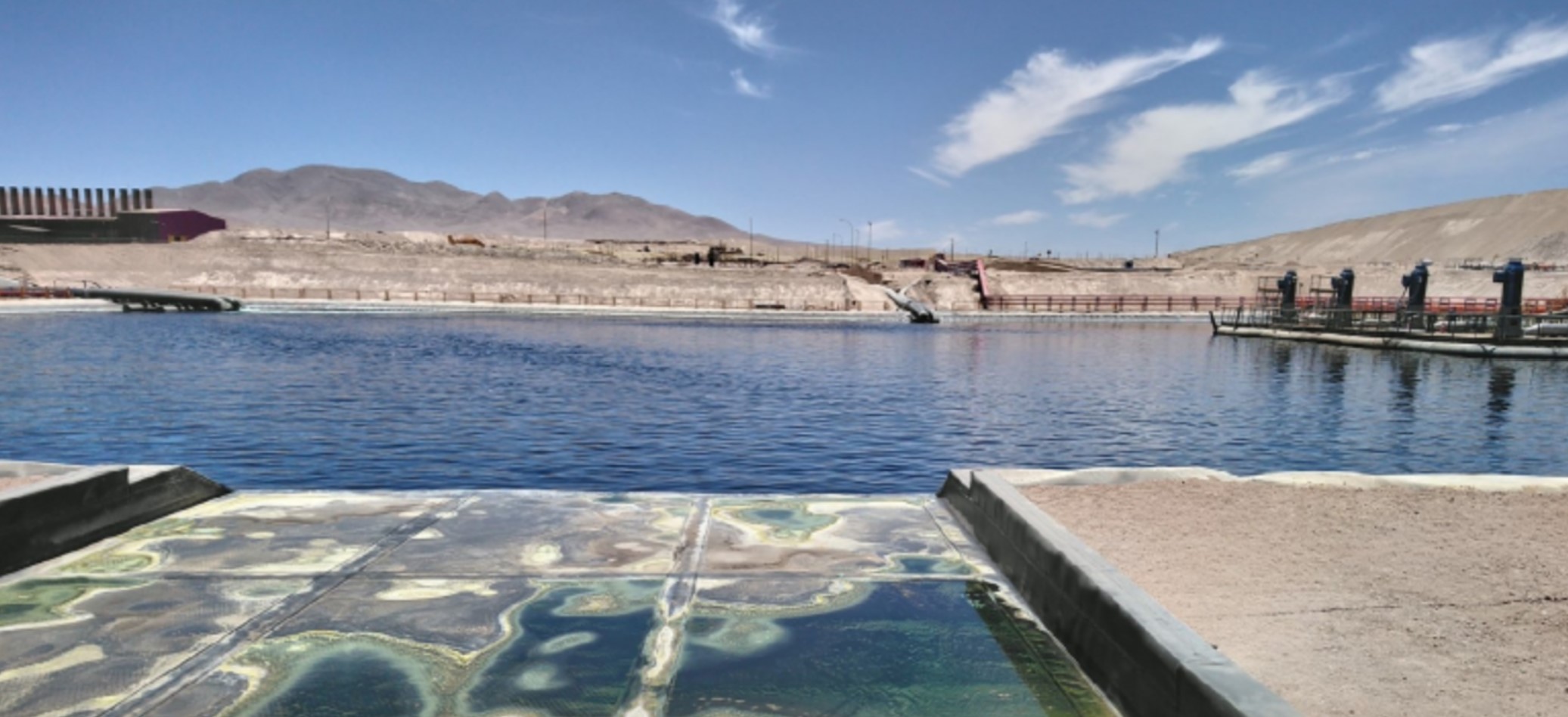
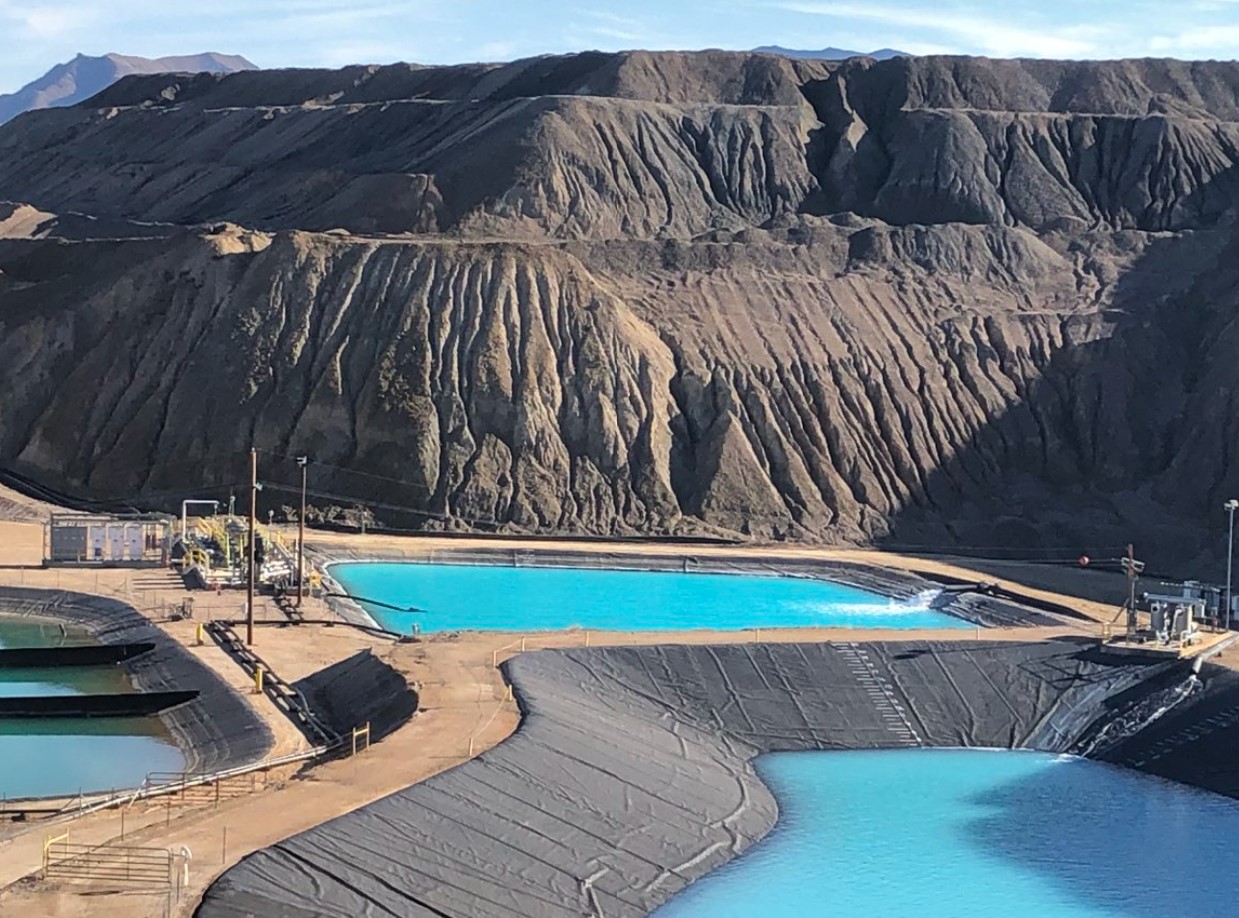
- Mining: reducing evaporation and protecting process water in arid regions.
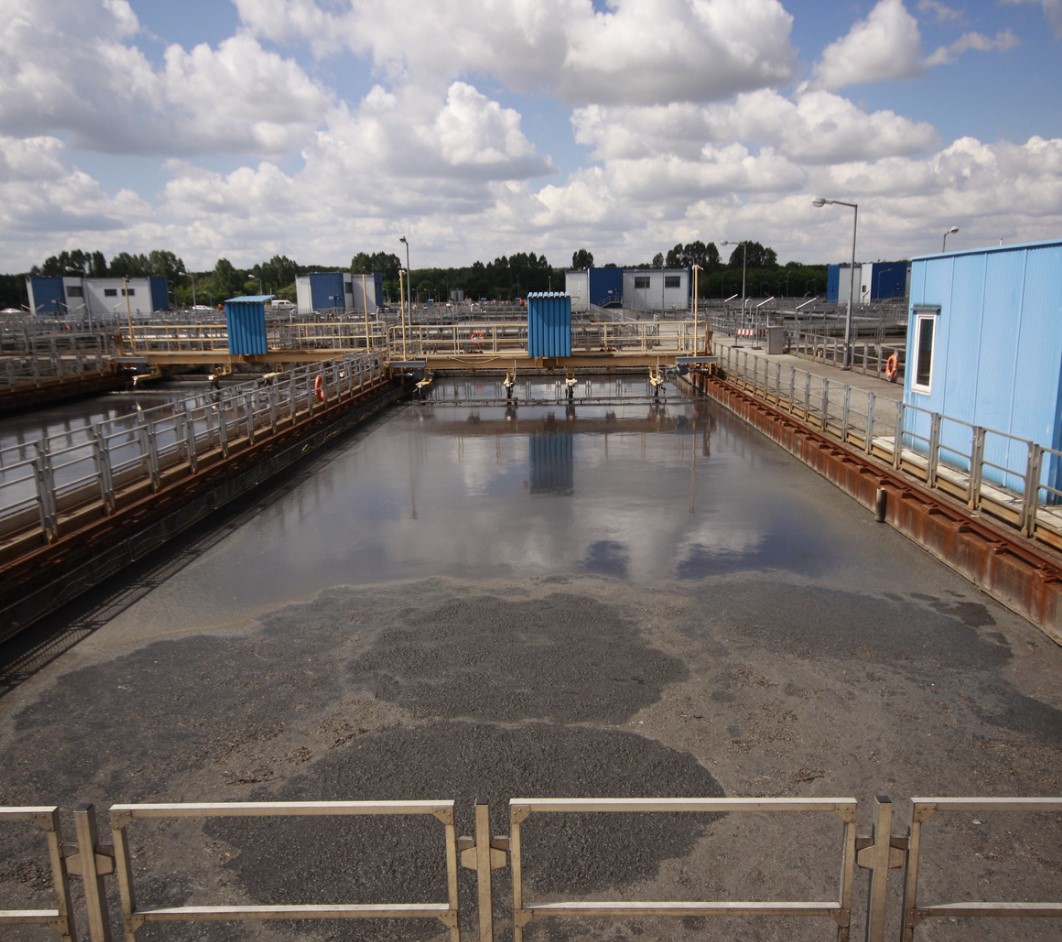
- Wastewater treatment: controlling odor and algae in lagoons and protecting water held for reuse.
- Process Industries: managing evaporation, algae, and odor in process and storage ponds.
- Drinking water: helping protect raw-water reservoirs from light, contamination, and certain invasive species.
In each case, the underlying principle is the same, covering the surface, but the specific benefits that matter most will vary with the application.
How to choose the right floating cover
Selecting a floating cover is not just about picking a material. A good decision takes into account several factors:
- Climate: how hot, dry, or windy the site is, which determines how much evaporation there is to save.
- Water chemistry: whether the water is acidic, alkaline, salty, or carries dissolved metals or hydrocarbons, which affects which material will last.
- The shape and size of the water body: which influences whether a continuous or modular system is more practical.
- The main goal: whether the priority is saving water, controlling algae, reducing odor, excluding wildlife, or a combination.
- Operating needs: how often the water level changes and whether the site needs regular access to the water.
Matching the cover to these conditions is what ensures it performs well and lasts for its intended lifespan.
Conclusion
Floating covers are made of different types of materials and can be employed as a versatile and effective solution to protect bodies of water and conserve water resources. By working right at the surface, where water meets air, they tackle evaporation, algae, contamination, odor, and wildlife all at once. As technology continues to advance, we can expect to see even more innovative and efficient floating cover solutions emerging in the future.
Want to see all the benefits of floating covers ?
Learn more here: