Common Problems With Mine Site Reservoirs and Ponds
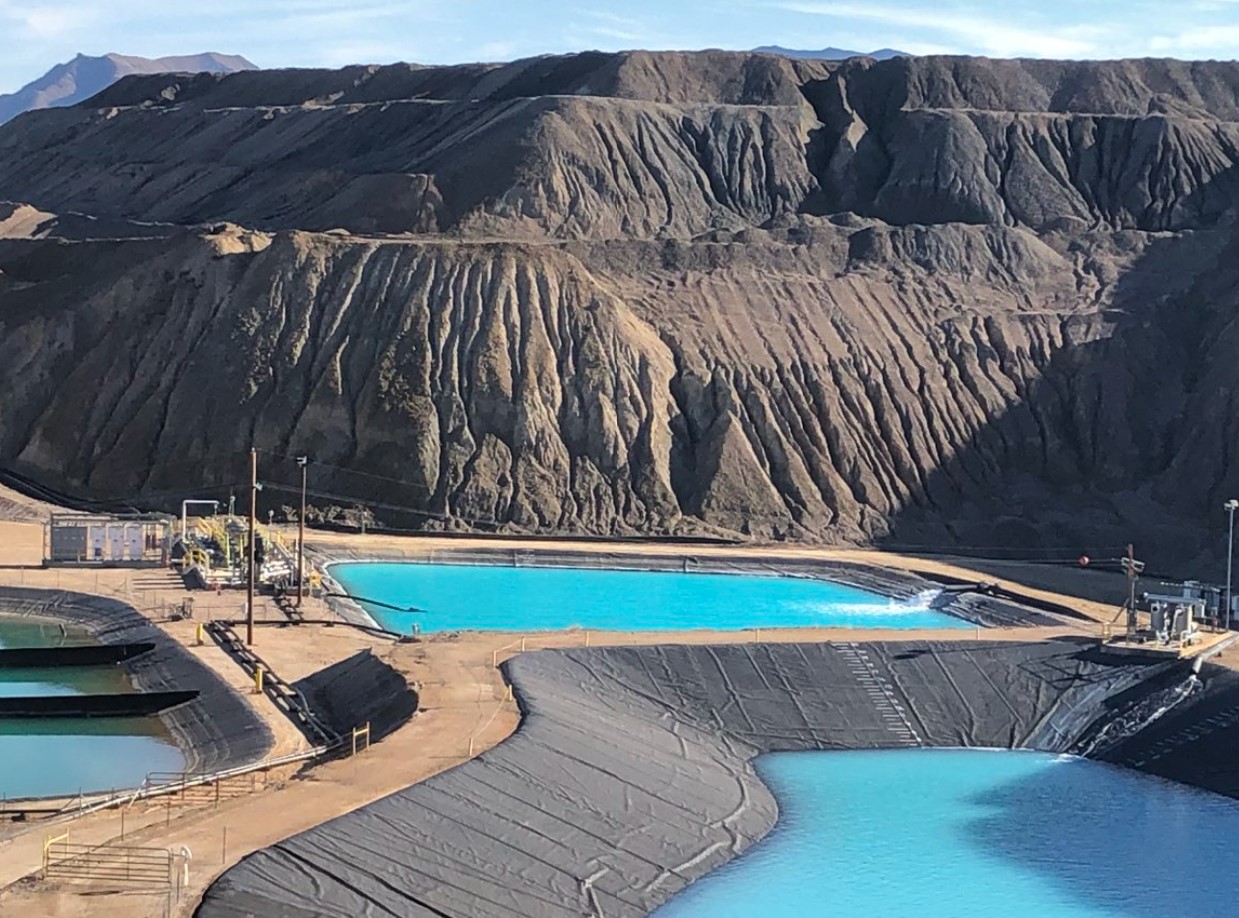
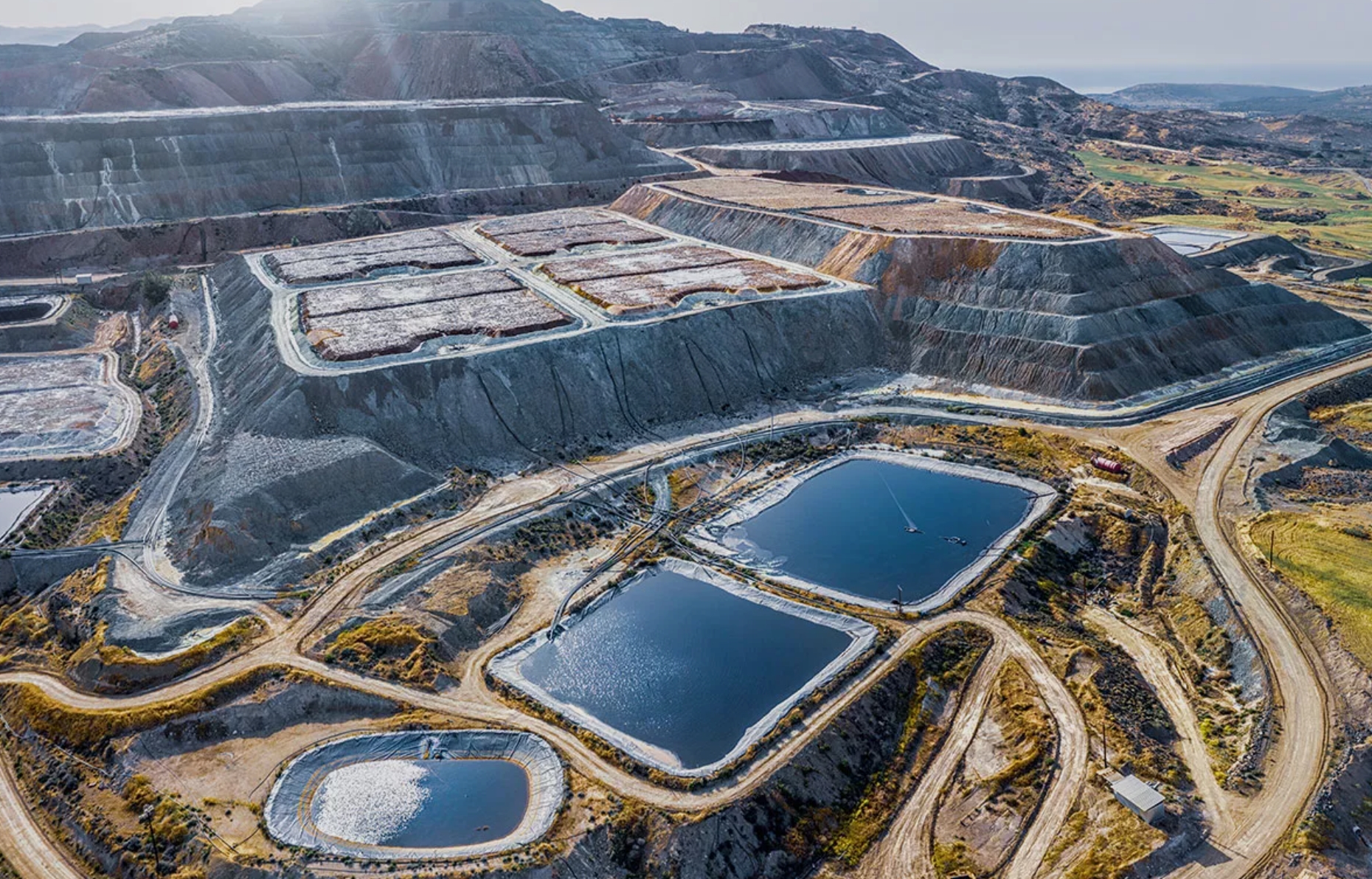
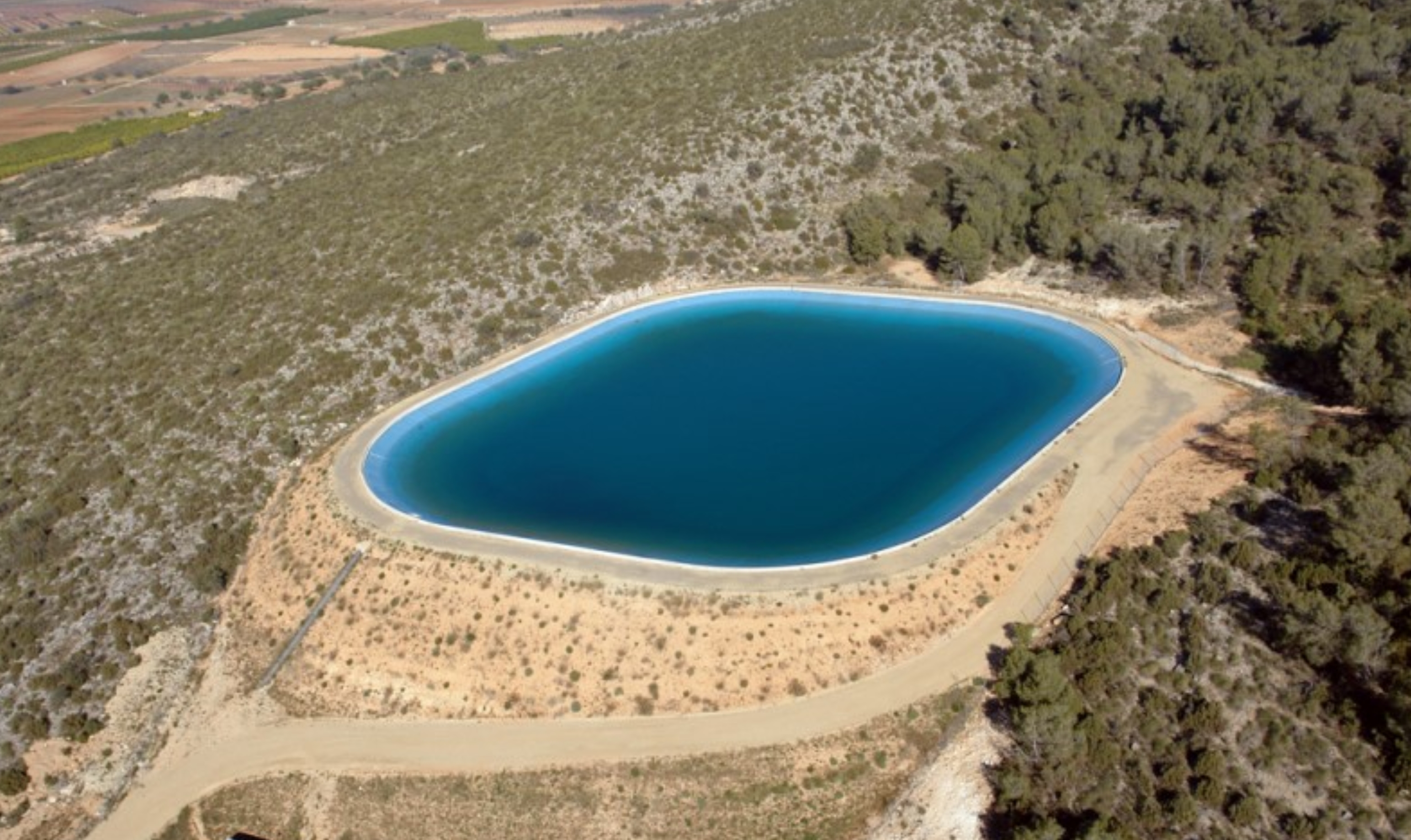
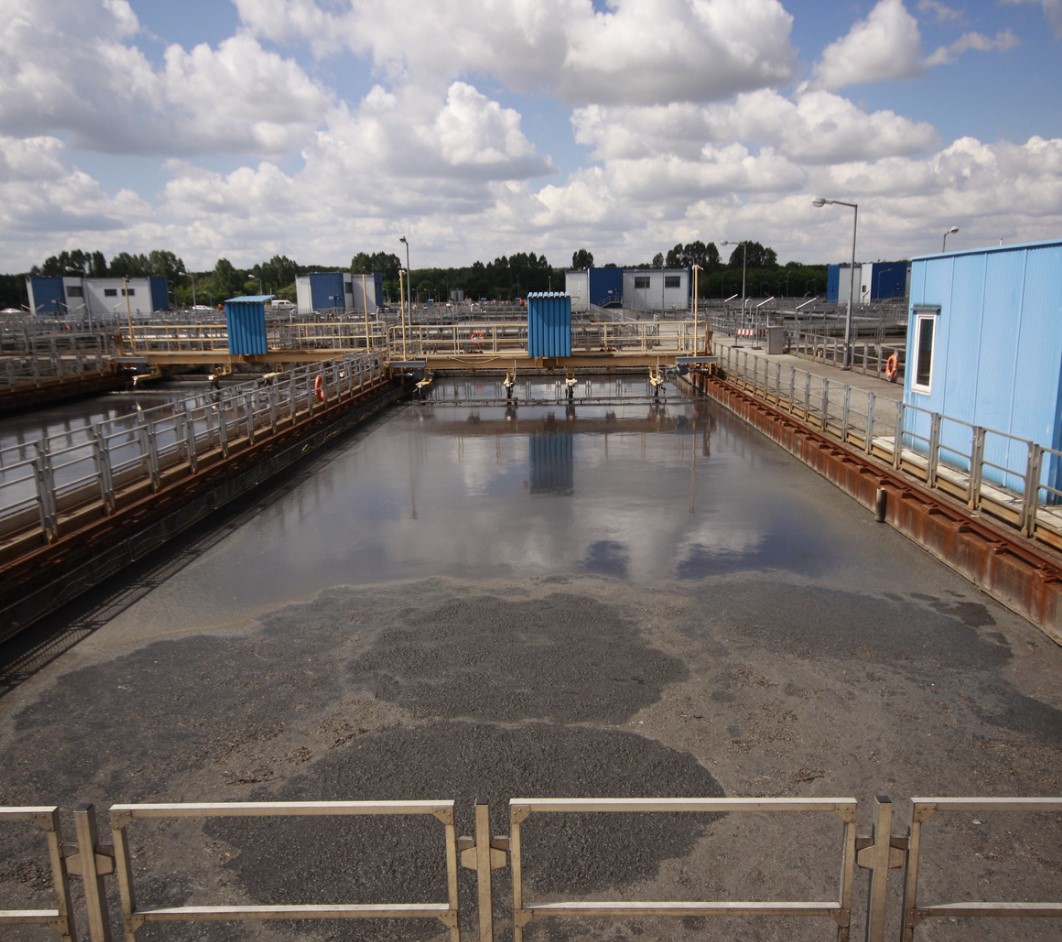
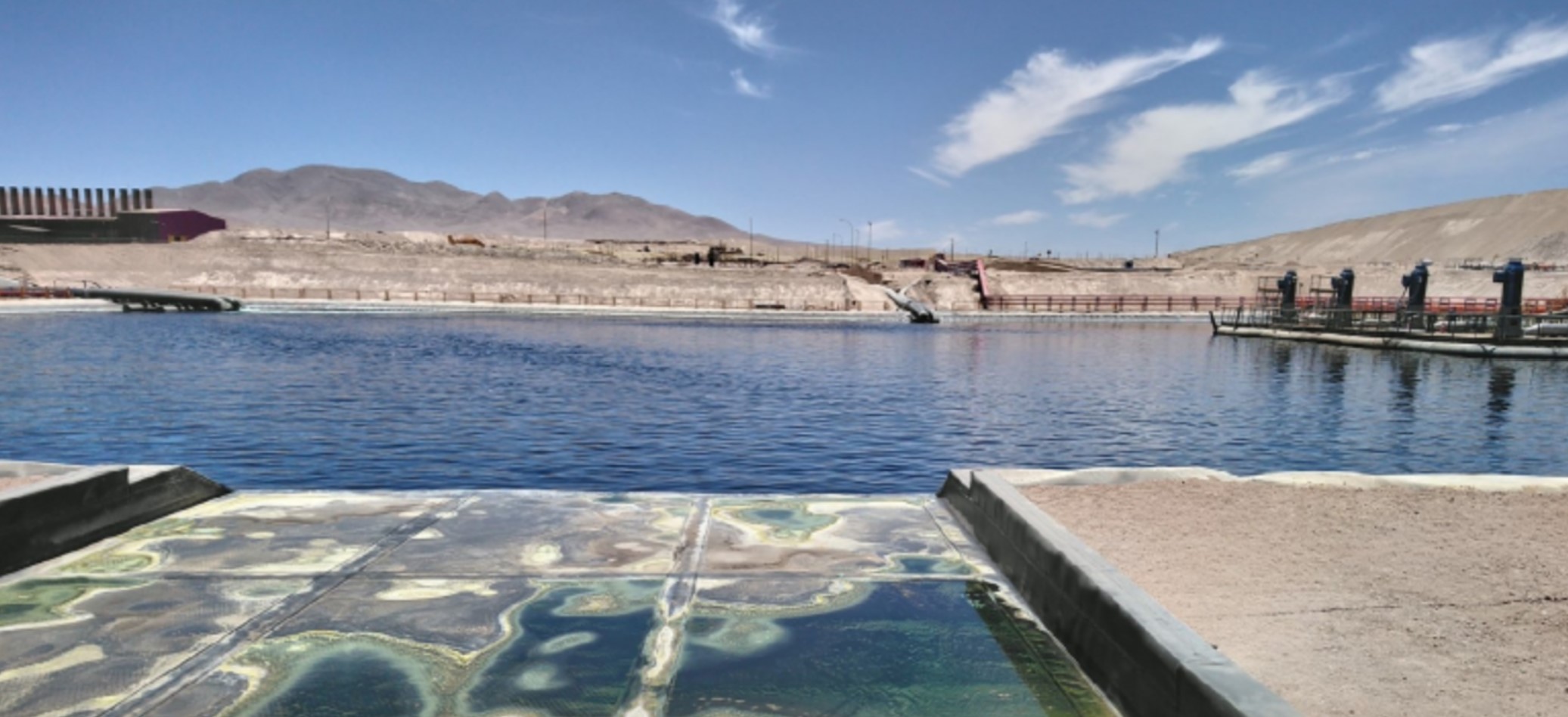
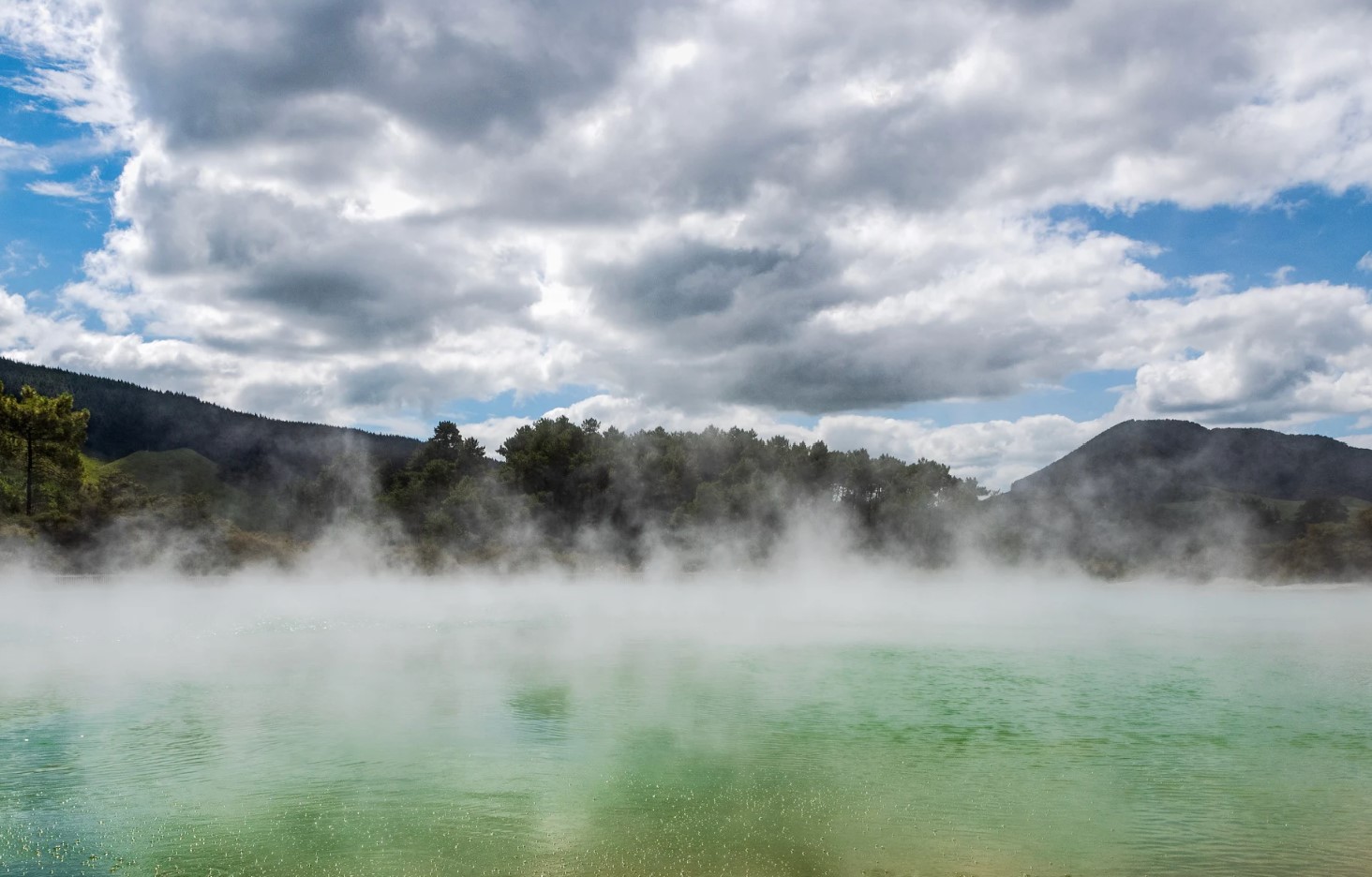
Uncovered mining reservoirs (process ponds, emergency ponds, fresh water reservoirs and tailings dams) face five problems with a single common cause: the liquid surface exposed to the air. Through that interface, water evaporates, heat escapes, sunlight feeds algae, odors are released, and the open water surface attracts wildlife. Reducing the exposed surface with a floating cover addresses all five problems at once.
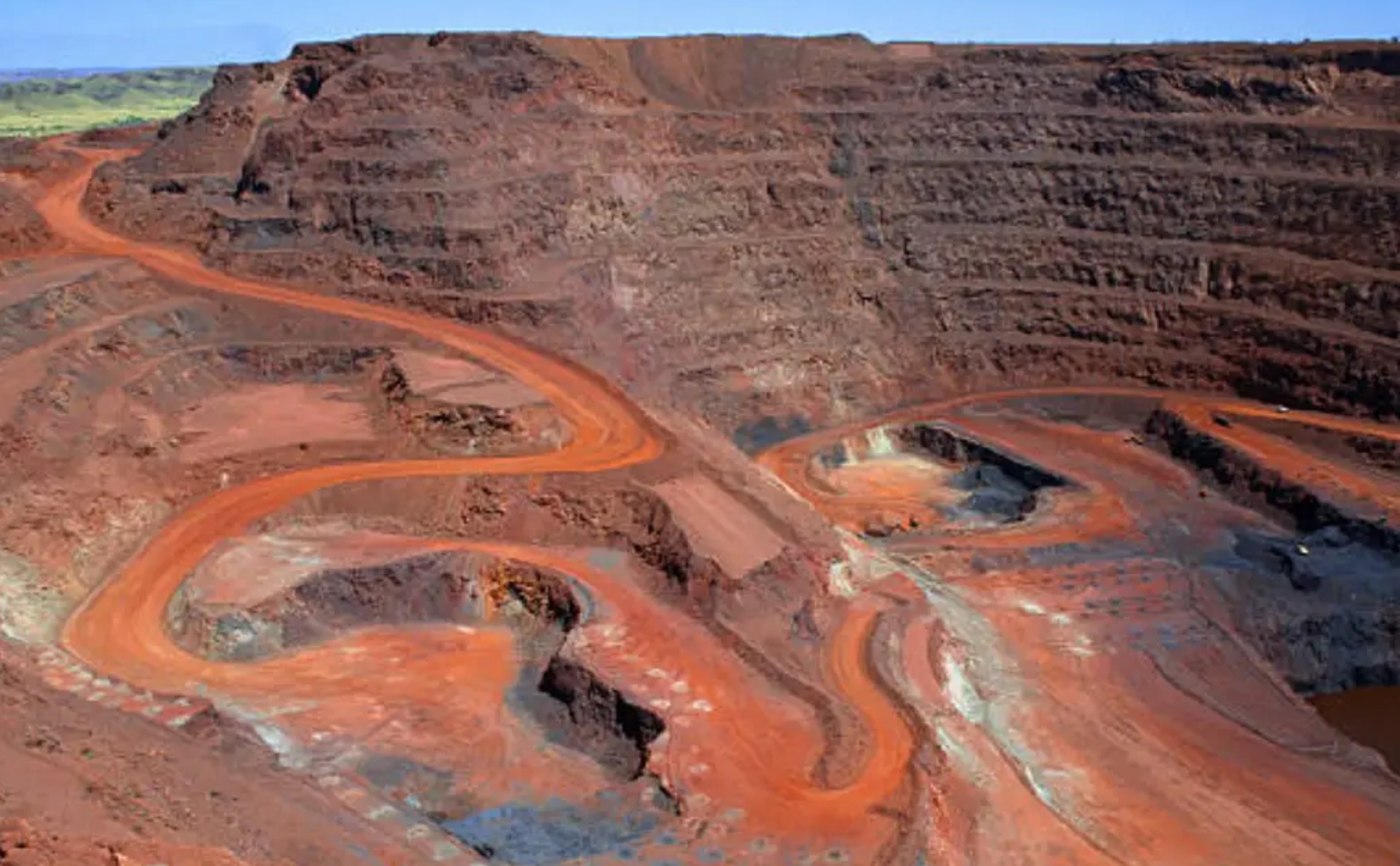
Process ponds, emergency ponds, fresh water reservoirs, tailings dams. Every mining operation lives with large liquid surfaces exposed to the elements. And all of them, regardless of the commodity or the location, face a version of the same five problems. Some are visible at a glance. Others are paid for every month without anyone noticing.
1. Water evaporates, and nobody gets billed for it
In arid regions, an uncovered mining reservoir can lose several meters of water column per year to evaporation alone. Across a surface of a few hectares, that means tens or hundreds of thousands of cubic meters that must be extracted, desalinated, pumped or purchased all over again.
The curious part is that this loss never shows up in a P&L. No invoice arrives for the water that goes into the air. That is why, at many mine sites, evaporation is accepted as an unavoidable cost of the climate. It is not: it is a physical phenomenon that depends directly on how much liquid surface is left exposed to air and wind. And the exposed surface can be managed.
2. Heat escapes through the surface
In processes where the solution must stay warm, such as PLS and raffinate ponds in copper leaching circuits, the largest energy leak is not in the pipes or the tanks. It is at the surface of the reservoirs. The liquid loses heat to the environment continuously, and that loss is compensated by burning fuel or consuming electricity.
It is energy paid for twice: once to heat the solution, and again to replace what the surface returns to the atmosphere. Reducing the exposed surface means retaining process temperature and lowering auxiliary energy consumption.
3. Birds cannot tell a process pond from a lagoon
To a bird, an open water surface in the middle of the desert is an oasis. The problem is that this "lagoon" may contain acidic or cyanide-bearing solutions. The result is wildlife fatalities, inspection findings and, in the case of gold, non-conformances against the International Cyanide Management Code, which requires preventing wildlife contact with cyanide solutions.
Several environmental permits already explicitly require covering the open water surfaces of process reservoirs, and regulators audit that commitment on site. What used to be good practice is, increasingly, an obligation.
4. Sunlight farms algae
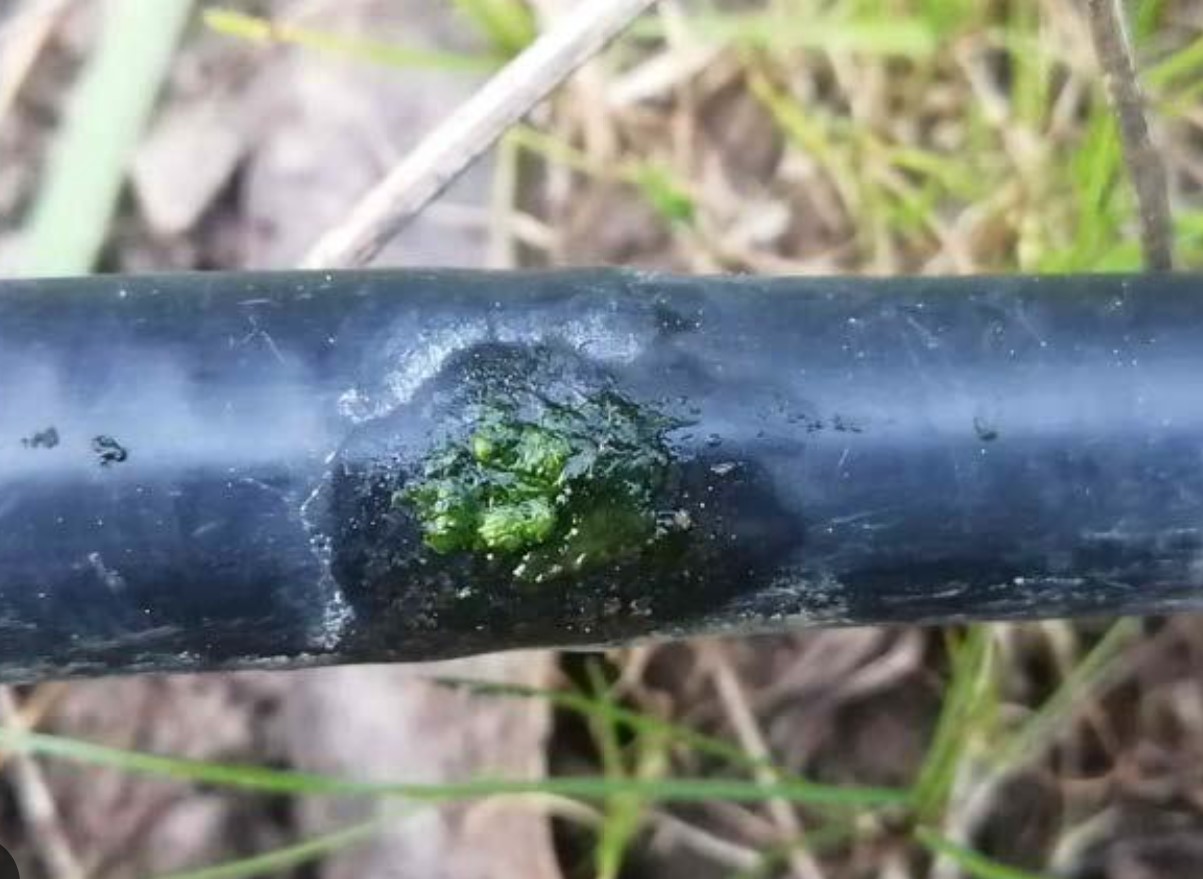
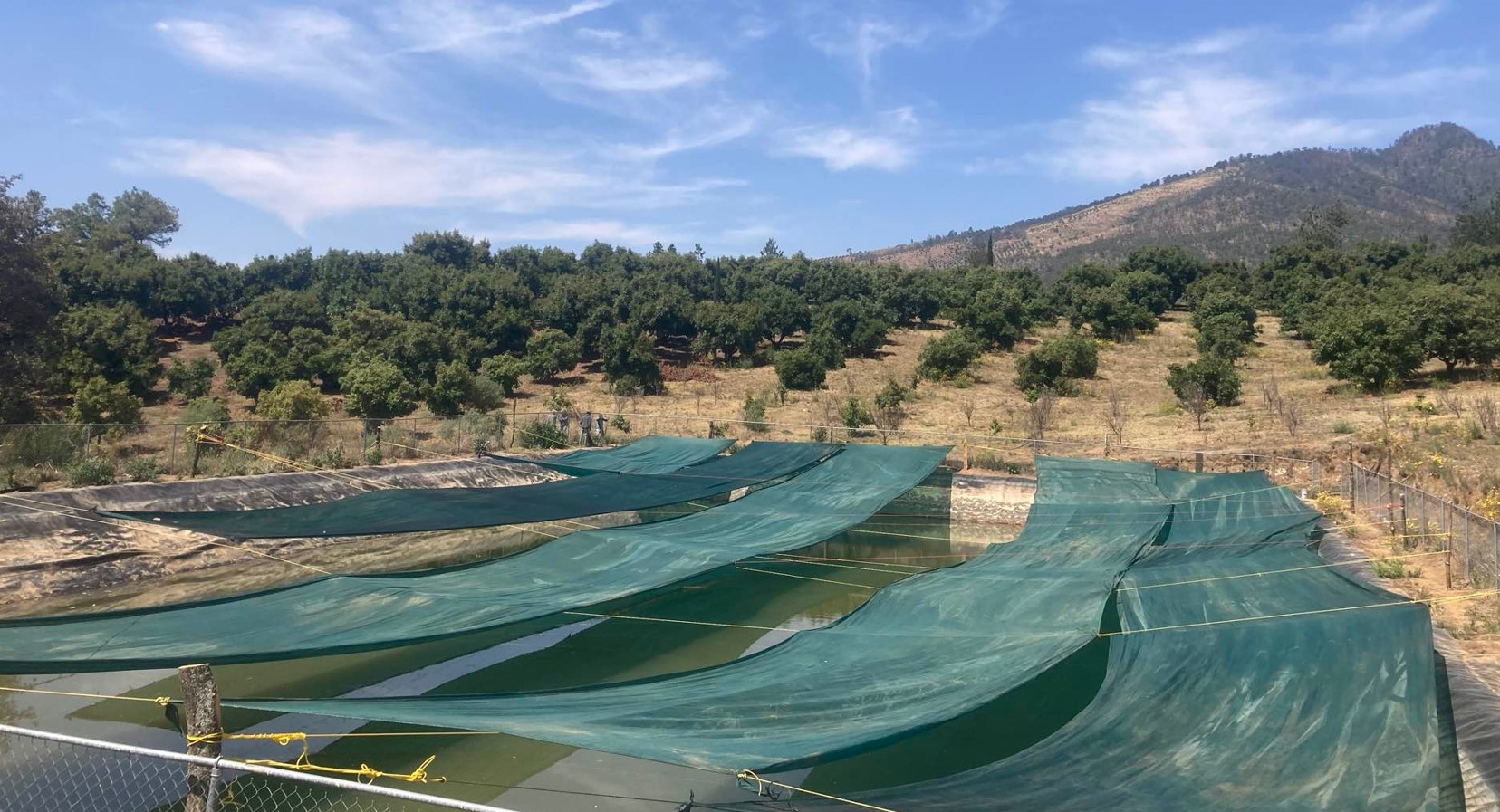
Wherever there is water, nutrients and light, algae grow. In fresh water and process reservoirs, that translates into clogged filters, strained pumps, more chemicals and more cleaning hours. The variable that triggers growth is sunlight: if the surface receives no light, algae simply do not thrive.
5. Odors travel farther than the perimeter fence
Some solutions and process waters emit odors that the neighboring community perceives long before the operation registers them. Community complaints escalate quickly toward the authorities and erode the social license to operate, an asset that takes years to build. Just like evaporation, odors escape through the surface of the liquid: less exposed surface, less emission.
One common origin, one common solution
If these five problems seem unrelated, one thing connects them: they all happen in the same place, the interface between the liquid and the air. Evaporation, heat loss, wildlife intrusion, algae growth and odor emission are all consequences of keeping large liquid surfaces exposed to the atmosphere.
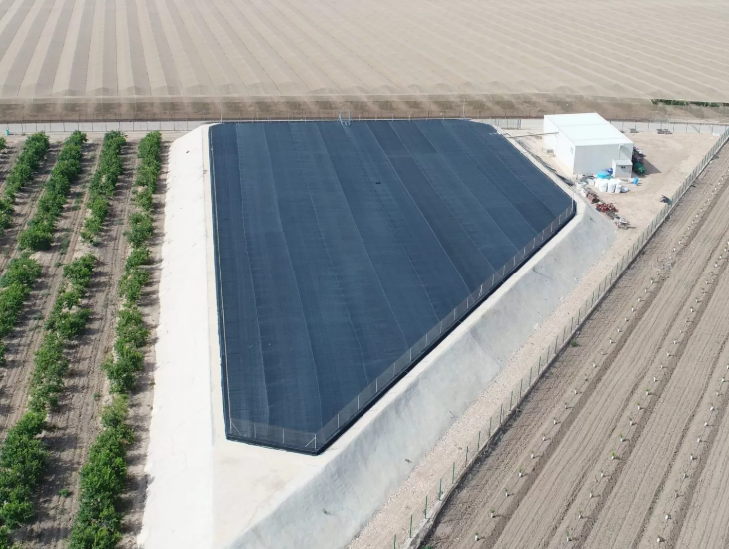
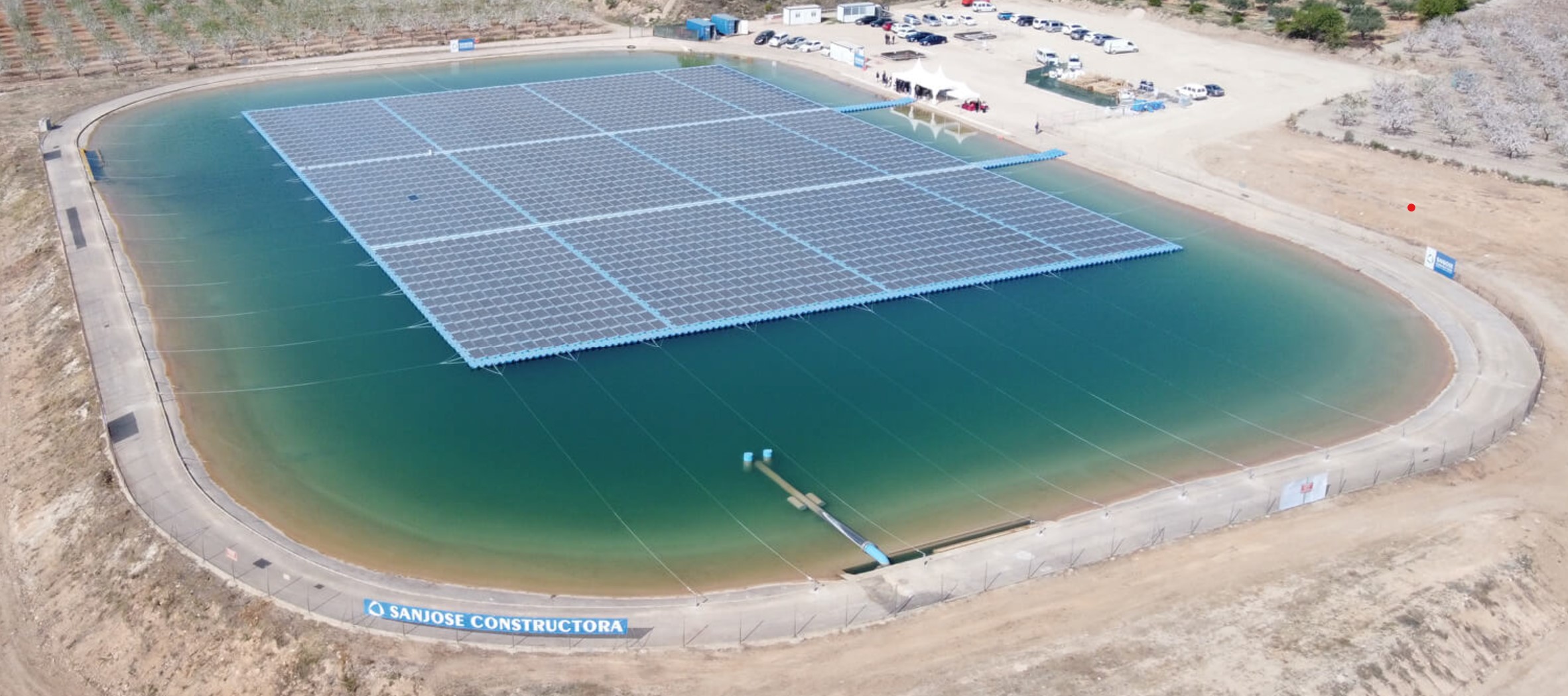
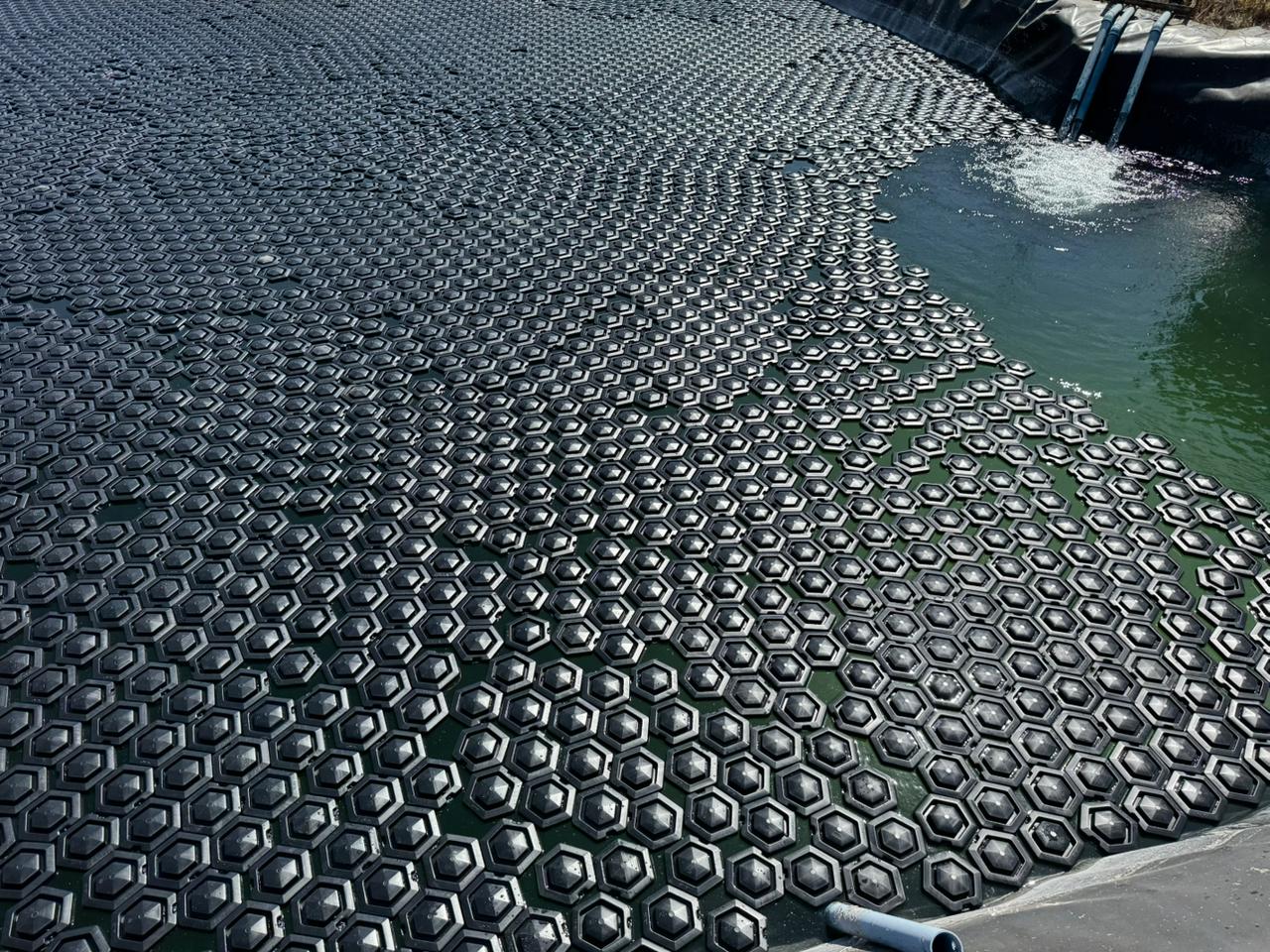
That is why the most efficient way to face them is not to attack them one by one, but to reduce that exposure. Floating covers have existed for decades precisely for this purpose, and at copper, gold, silver, coal, uranium and other mine sites they already operate as one more water and energy efficiency tool: they are installed without stopping the operation, they adjust to level changes, and they work without maintenance for decades.
Take the next step
If you operate process ponds, leach circuits, or raw-water reservoirs and want to recover water, retain heat and put an auditable barrier between your solutions and the wildlife above them, learn more about how modular floating covers are applied in mining sites.
→ Learnmore about floating covers for mining: /mining