Algae Blooms in Ponds: Causes and Costs
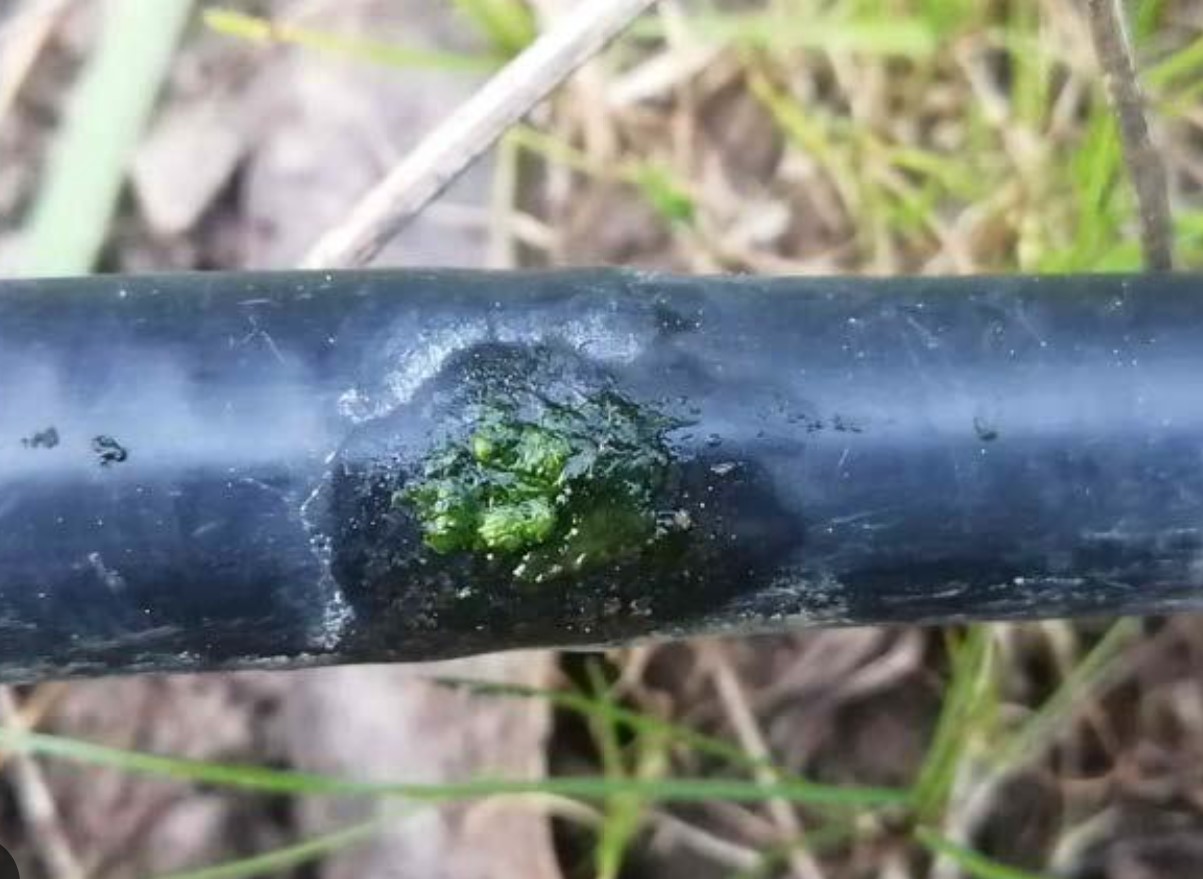
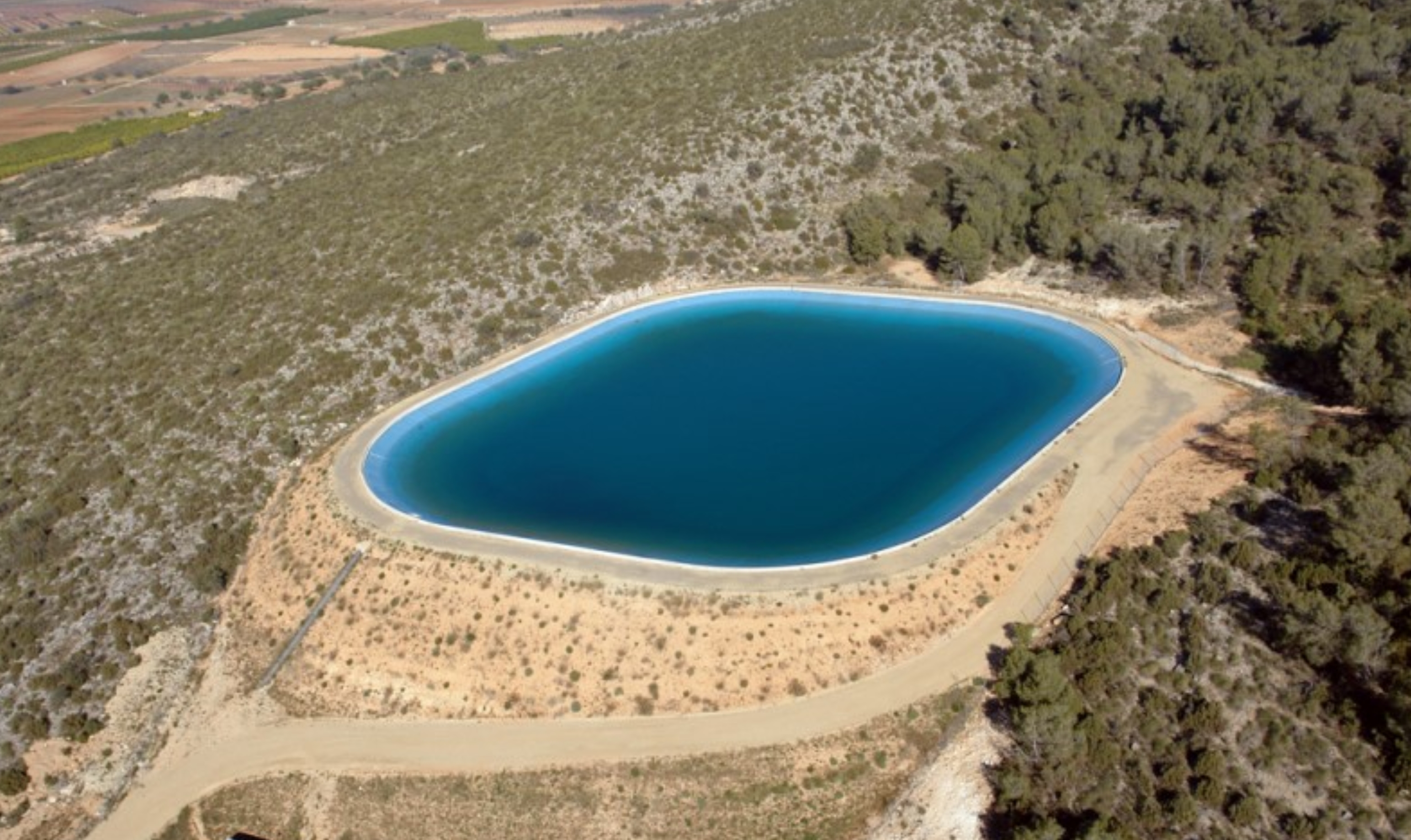
Irrigation reservoirs play a strategic role in agricultural water security. But alongside evaporation, they face another silent enemy: algae blooms. This problem does more than degrade water quality. It significantly increases maintenance, chemical, and energy costs, often without the farmer realizing how much it adds up.
The good news is that proven solutions already exist. Floating covers, in particular, both prevent algae blooms and reduce evaporation at the same time.
In this article, we will explore:
- Why algae form in reservoirs.
- The economic and operational impact they create.
- How floating covers solve the problem and deliver additional benefits.
Why do algae form in water reservoirs?
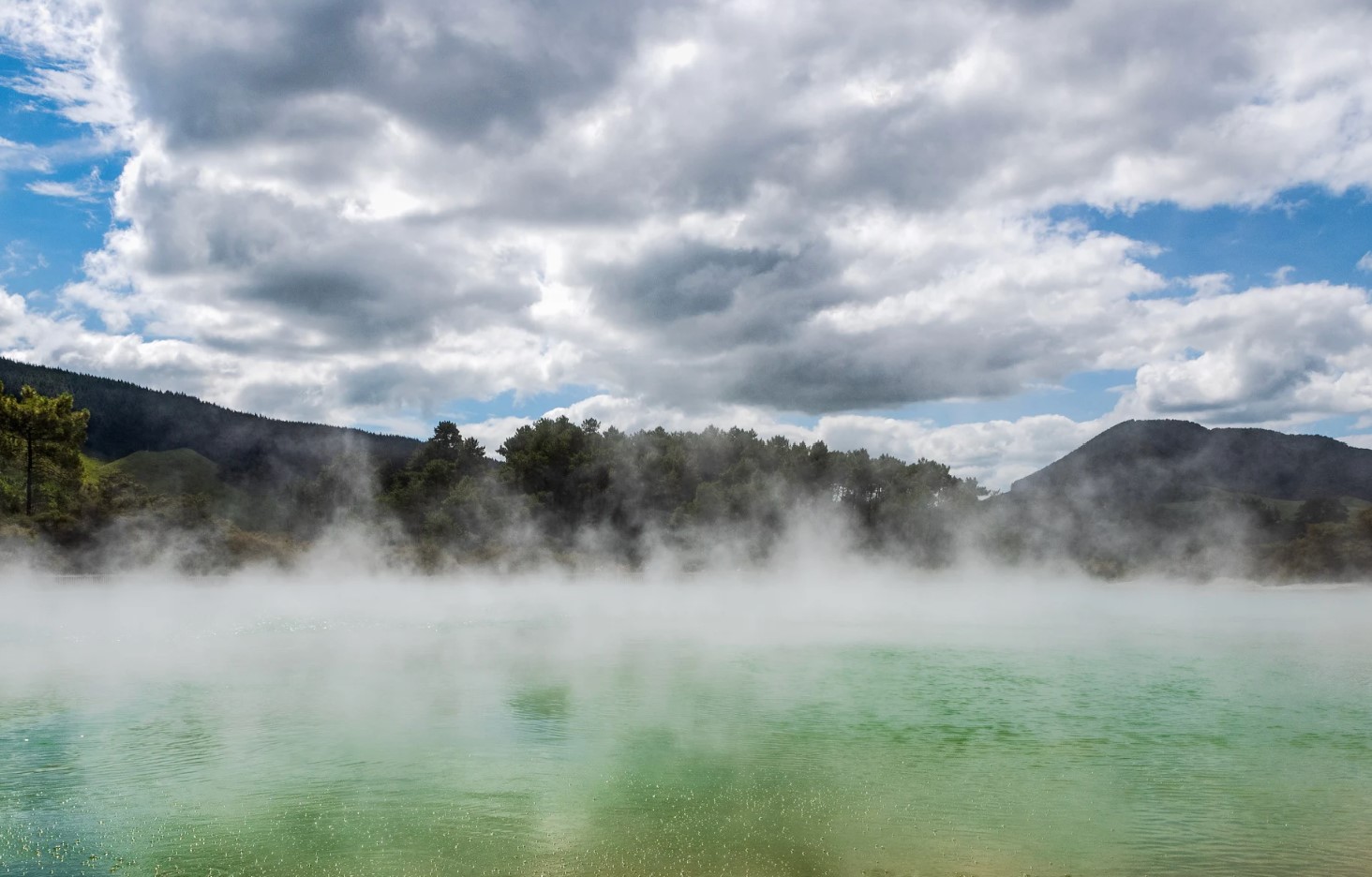
Algae are organisms that need three things to thrive: sunlight, nutrients, and stagnant water. Irrigation reservoirs provide all three almost perfectly, which is why blooms are so common.
When solar radiation peaks in summer, algae multiply explosively, producing:
- Green, cloudy water.
- Unpleasant odors.
- Clogged filters and drippers that reduce the efficiency of irrigation systems.
In an irrigation reservoir, that combination translates directly into higher costs, more labor, and lower system performance.
The economic impact of algae on agriculture
Many farmers underestimate this problem, but keeping a reservoir free of algae carries significant hidden costs:
- Chemicals: algaecides and chlorine can cost thousands of dollars per season.
- Maintenance: constant cleaning of filters, drippers, and pumps.
- Energy: higher consumption, because pumps work harder with lower-quality water, plus the need to replace evaporated water.
- Production risk: clogged drippers deliver less water and fewer nutrients, reducing yield.
In short, algae blooms cost money, time, and productivity.
The solution: floating covers for irrigation reservoirs
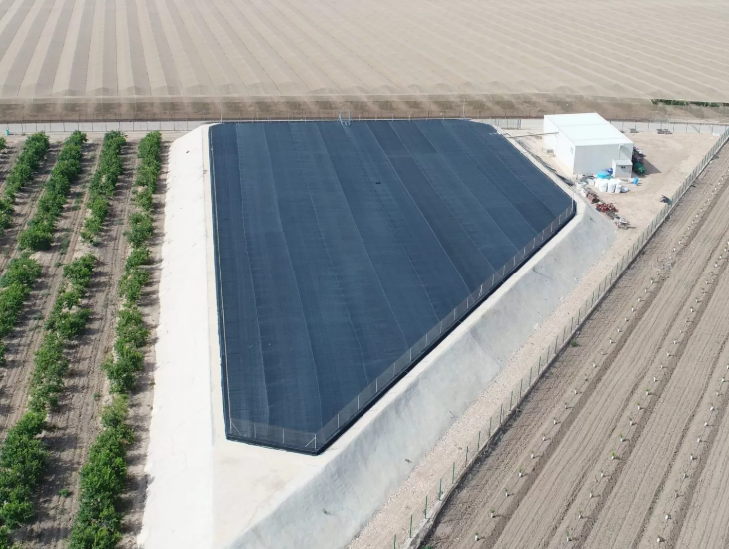
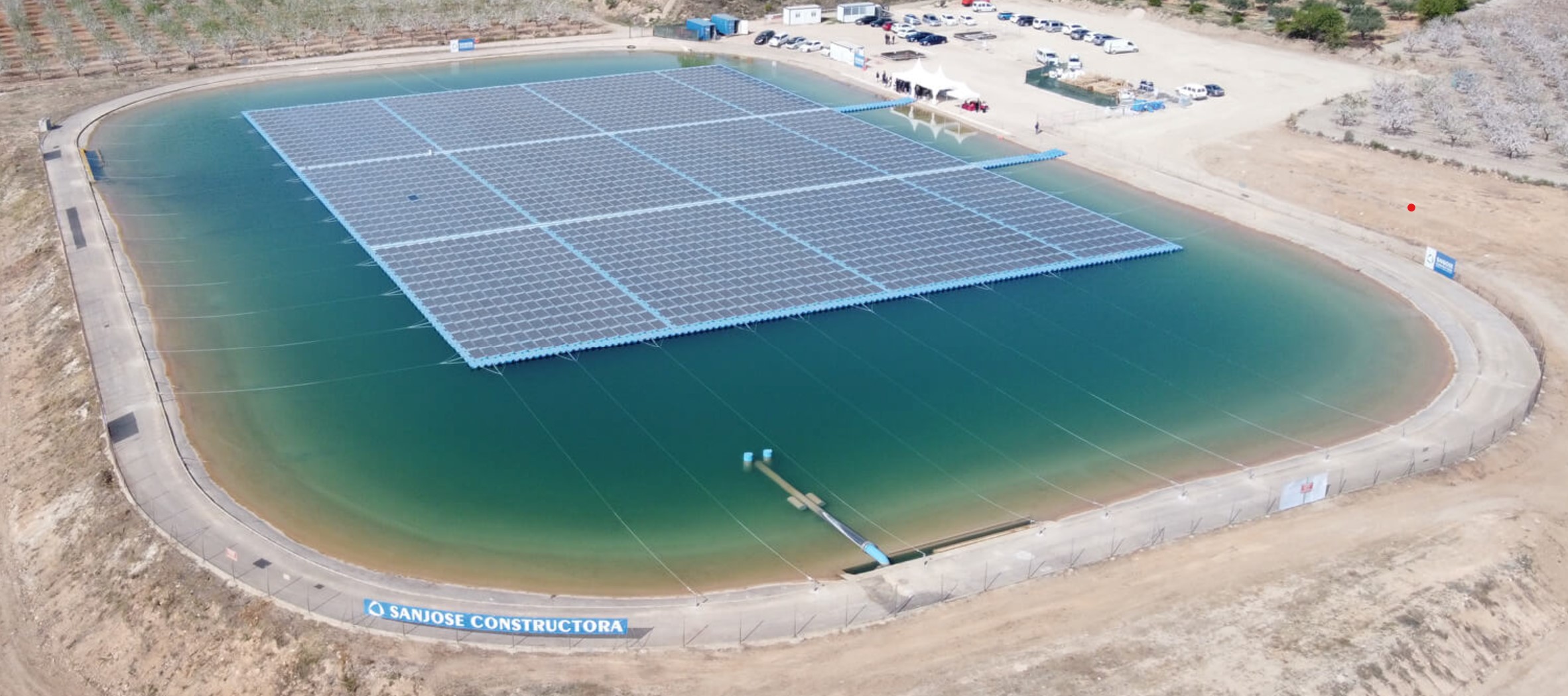
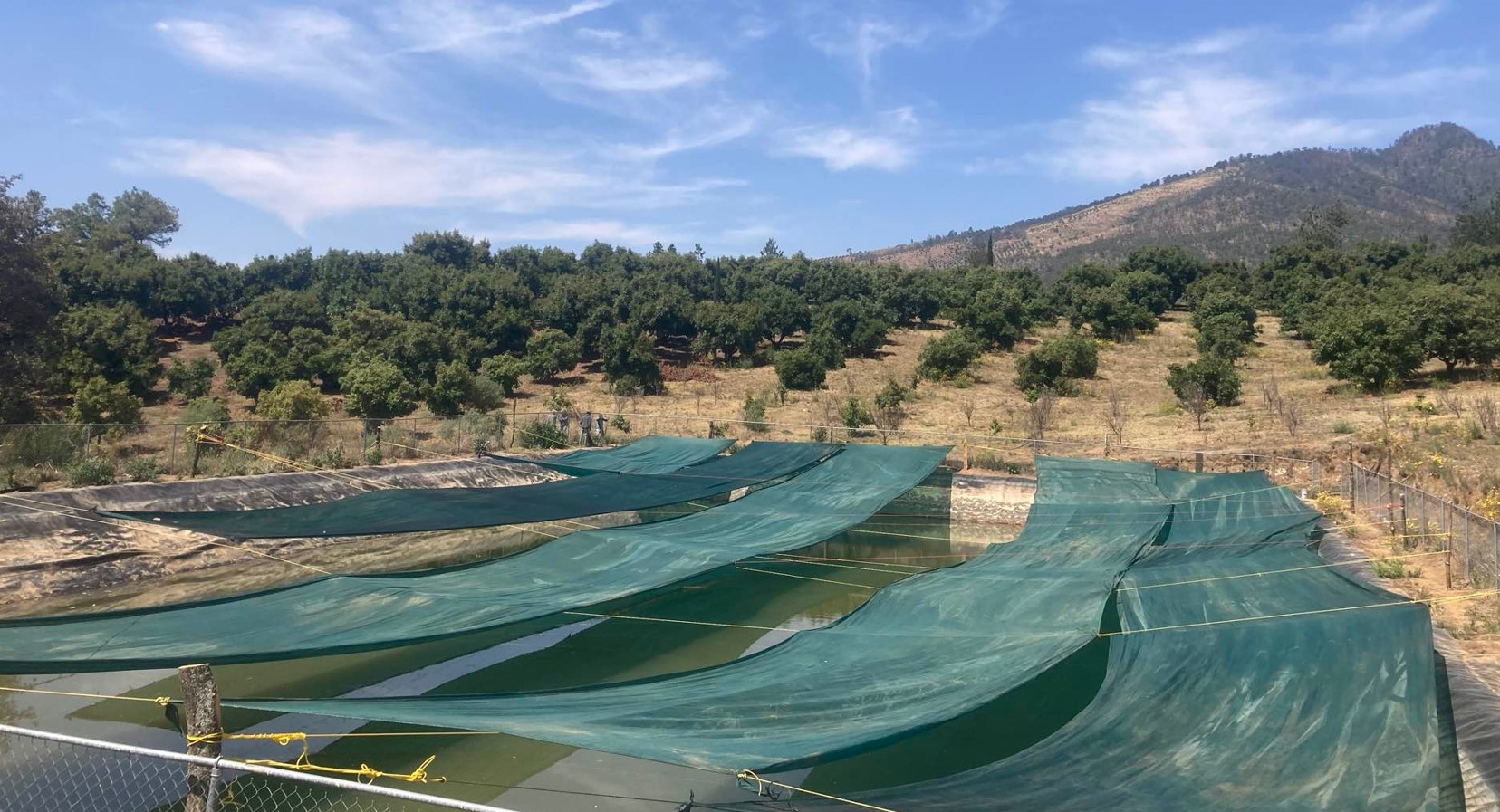
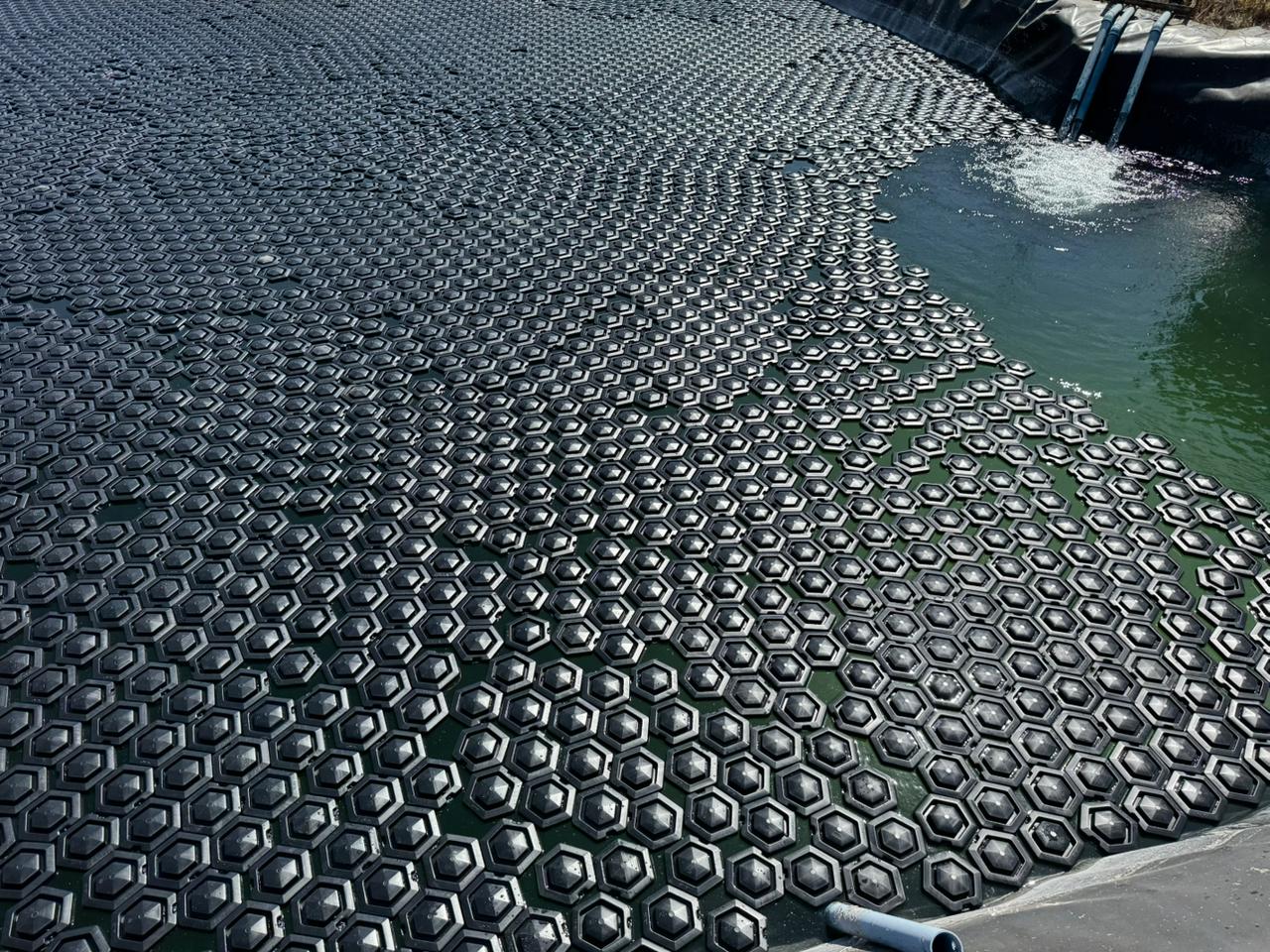
Floating covers are modular HDPE units installed directly on the water surface. They adapt to any reservoir shape or size and are built to last for decades.
They control algae through three mechanisms:
- They block up to 98% of solar radiation, so algae cannot photosynthesize.
- They reduce water temperature, which slows the growth of microorganisms.
- They minimize the entry of dust and nutrients, leaving less organic matter to feed algae.
On top of algae control, floating covers also:
- Reduce evaporation by more than 95%.
- Lower chemical and maintenance costs.
- Improve water quality for irrigation.
Case study: organic citrus farmer in Chile
A farmer with a 1,000 m² irrigation pond was spending heavily on labor to fight algae. After installing Covex®, he reported:
- An 80% reduction in labor for filter maintenance.
- An 80% reduction in labor for dripper replacements.
- Cleaner water available for high-efficiency irrigation.
As the farmer put it: "The investment paid for itself in less than 1.5 years, just from what I stopped spending on labor, materials, and repairs."
Environmental and reputational benefits
Beyond the direct savings, floating covers contribute to a circular water economy:
- Less evaporation means less extraction from rivers and groundwater.
- Fewer chemicals mean a lower environmental impact.
- Greater efficiency means more resilience during droughts.
For farmers, this is also a way to demonstrate a clear commitment to sustainability, water efficiency, and a reduced water footprint, which increasingly matters to buyers, certifiers, and the wider market.
Conclusion: a clean and efficient reservoir is possible
Algae blooms in irrigation reservoirs are not inevitable. With the right technology, like Covex®, you can:
- Prevent algae growth.
- Reduce evaporation in your irrigation reservoir.
- Recover millions of liters of water each year.
Want to see all the benefits of floating covers for your farm? Learn more here: /agriculture