Water Challenges in Brazilian Mining: Every Millimeter That Evaporates Comes Out of The Outorga
Brazil holds roughly 12% of the planet'ssurface fresh water. Ask a water manager at an iron ore operation in the Quadrilátero Ferrífero, or at a gold operation in the Bahian semi-arid, whetherwater is abundant, and you will get a very different answer.
The reason is that a mine does not operate onthe water that exists in the basin. It operates on the water it is legally authorized to withdraw. That number is fixed in the outorga, and it does not grow when your production plan does.
This is the distinction that changes how you evaluate every water project on site.
The outorga is a ceiling and evaporation spends it
Whether the outorga covers a federal or a state water body, the logic is the same: an authorized flow rate or volume, tied to specific coordinates, with obligations attached.
The regulator is lookingat the same numbers you are
Those obligations have been getting more demanding. ANA Resolution 236/2024, which governs the use of federally owned water resources, requires mining users applying for regularization to submit a Plano de Utilização da Água na Mineração (PUA), with sand and gravel extraction from riverbeds as the exception. Alongside it come the reporting duties attached to the authorization, including monitoring of the volumes withdrawn and discharged. In practice, the agency increasingly sees the same numbers you see.
The volume that never reaches the process
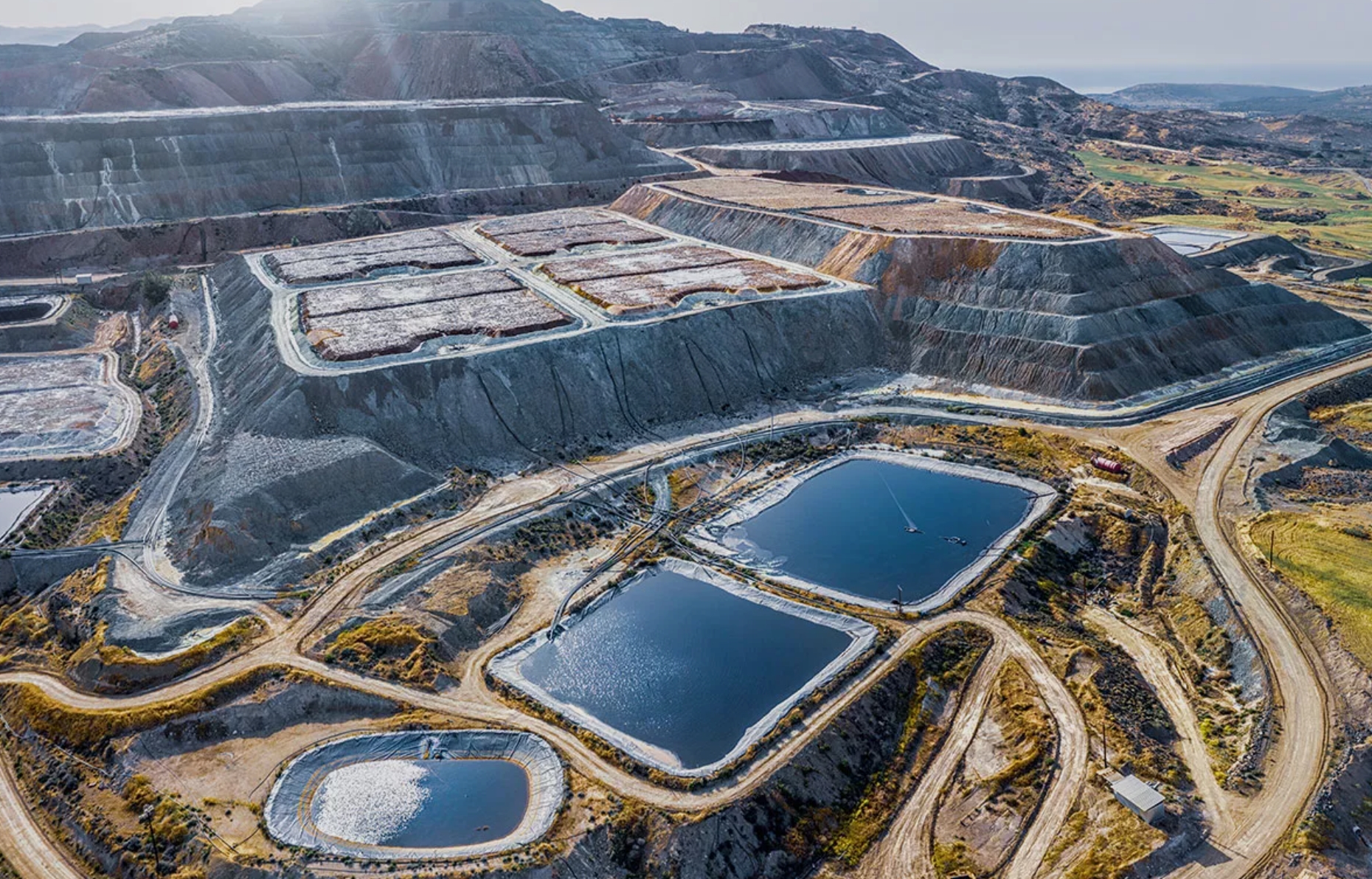
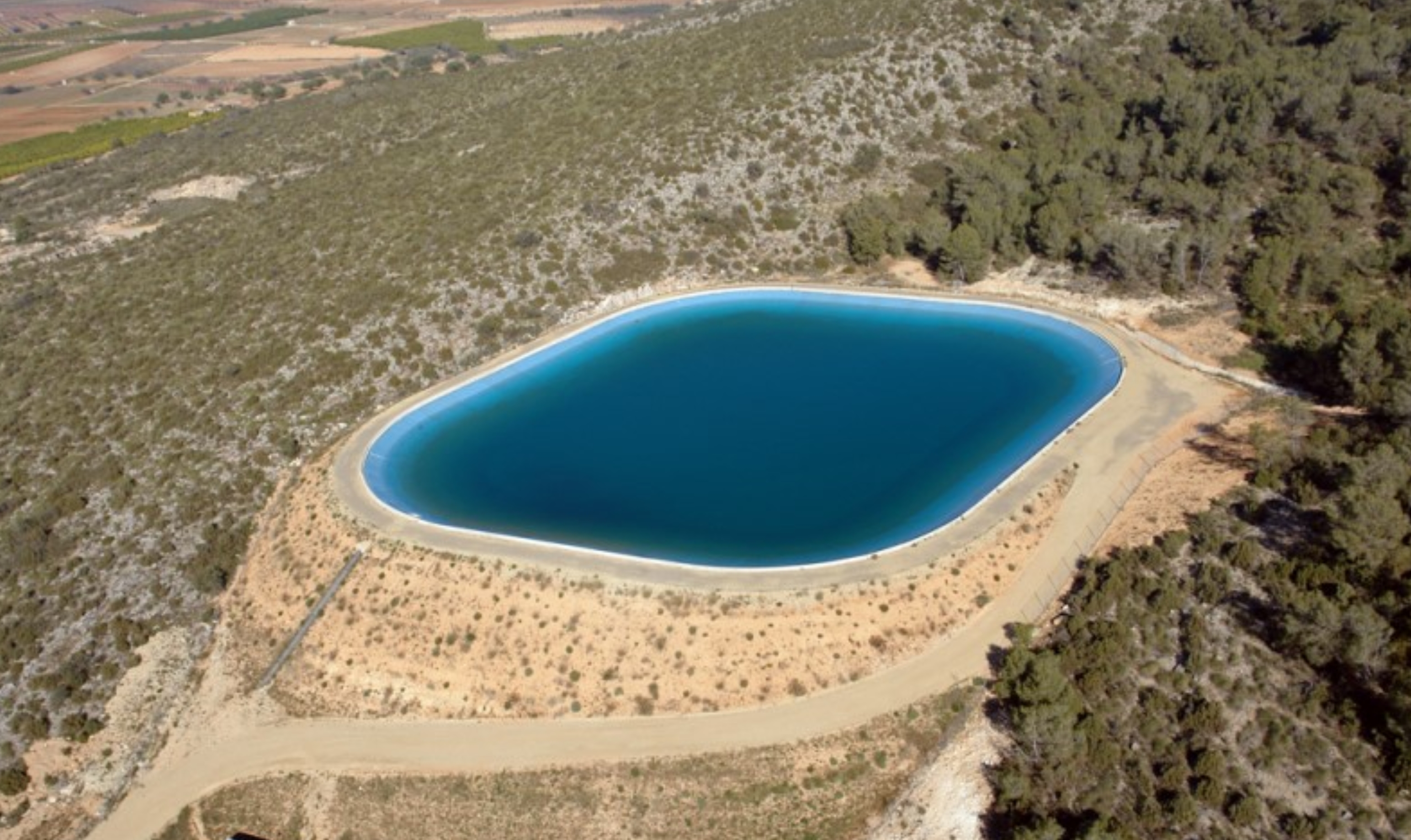
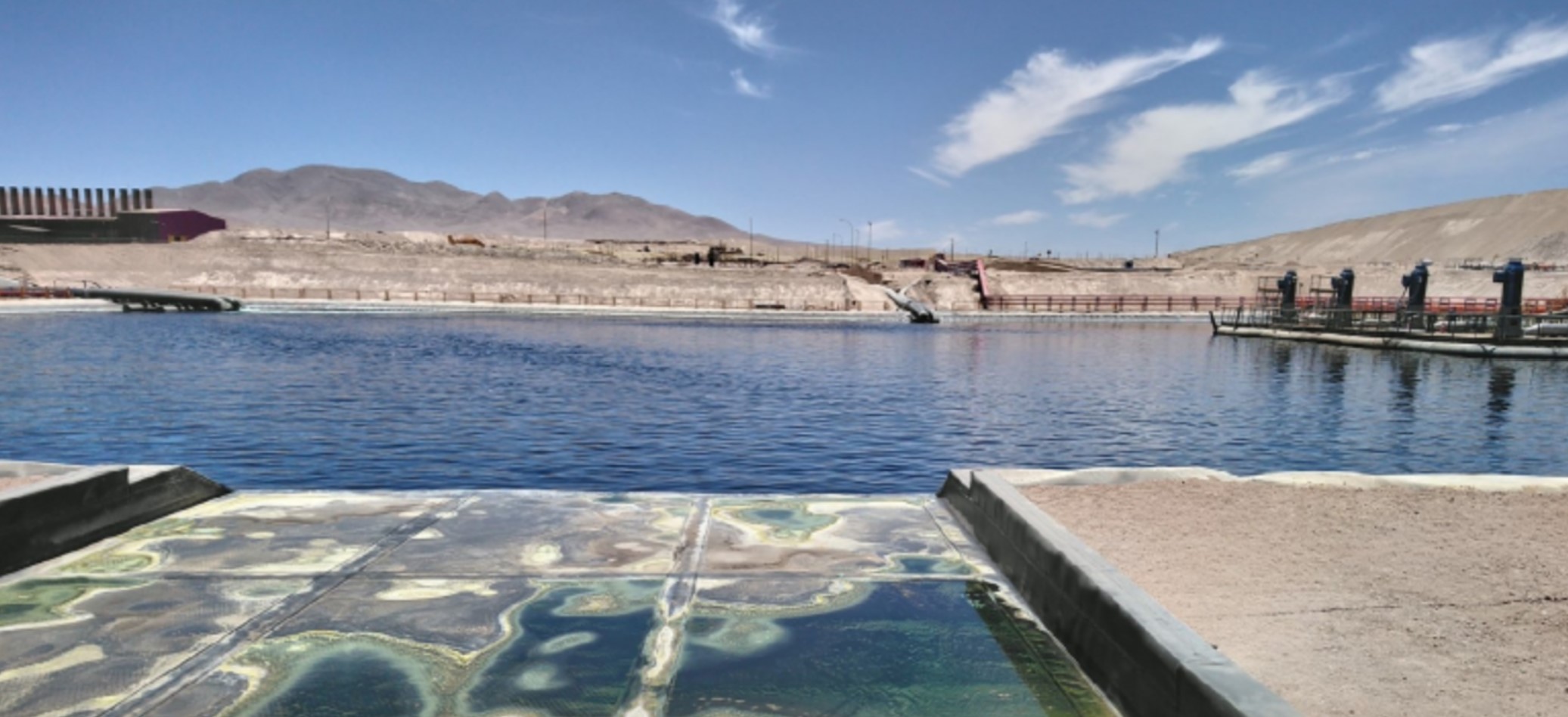
Consider what happens to afraction of that authorized volume. It is withdrawn, pumped, treated, stored inan open reservoir or process pond, and a share of it leaves to the atmosphere before it ever reaches the process. It was counted against your outorga. It was paid for in pumping energy. It performed no work.
An open water surface in a Brazilian mining region can lose on the order of 1.5 to 2 cubic meters per square meter per year in net evaporation, depending on the climate. Across apond of a few hectares, the annual figure reaches the scale of a small additional water right, one you already hold on paper but never receive in practice.
That framing matters because of what it implies about the solution. Recovering evaporated water does not require a new outorga, a new intake, a new pipeline, or an environmental licensing process. It requires stopping the loss.
Where the losses actually happen
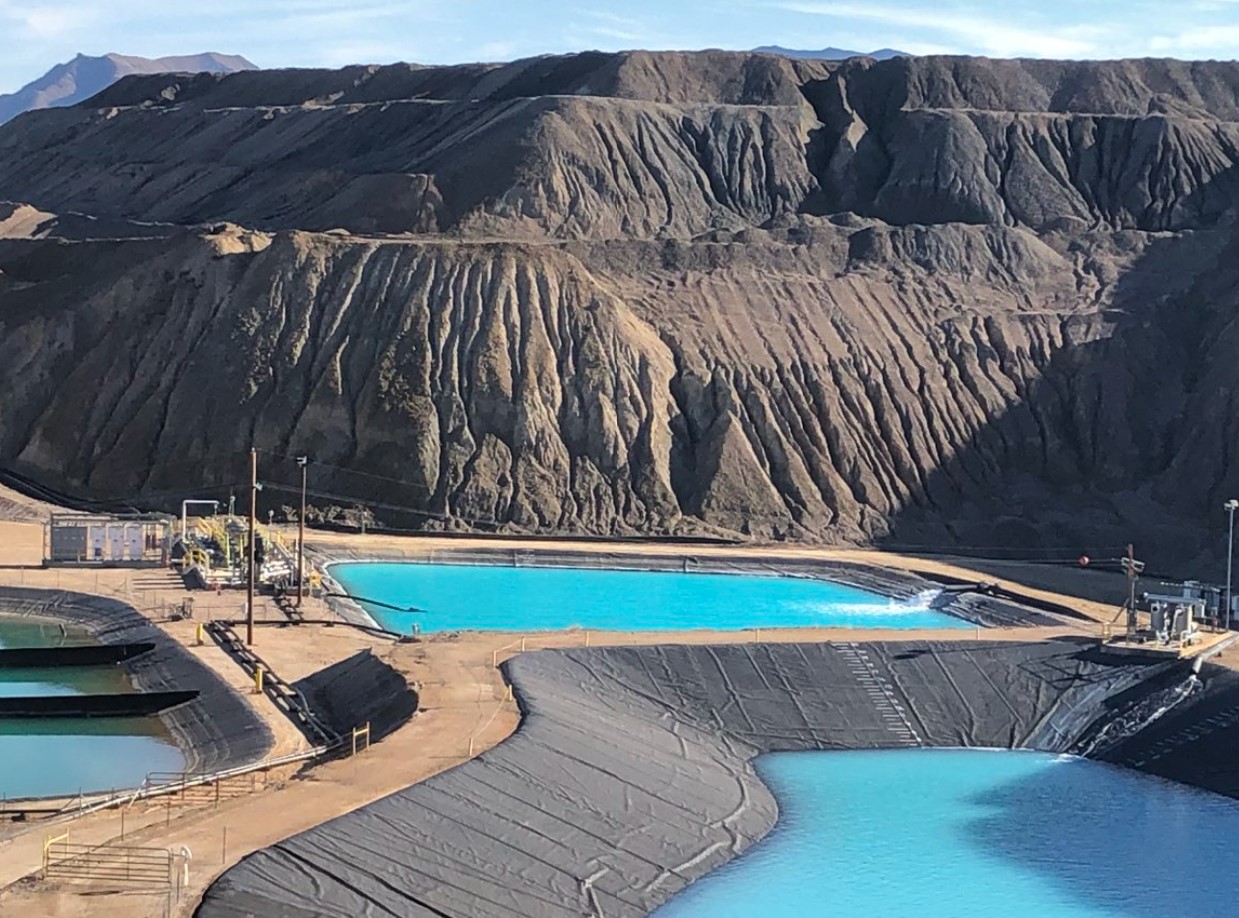
Not every water surface on a mine site is a candidate for the same treatment. The realistic targets are:
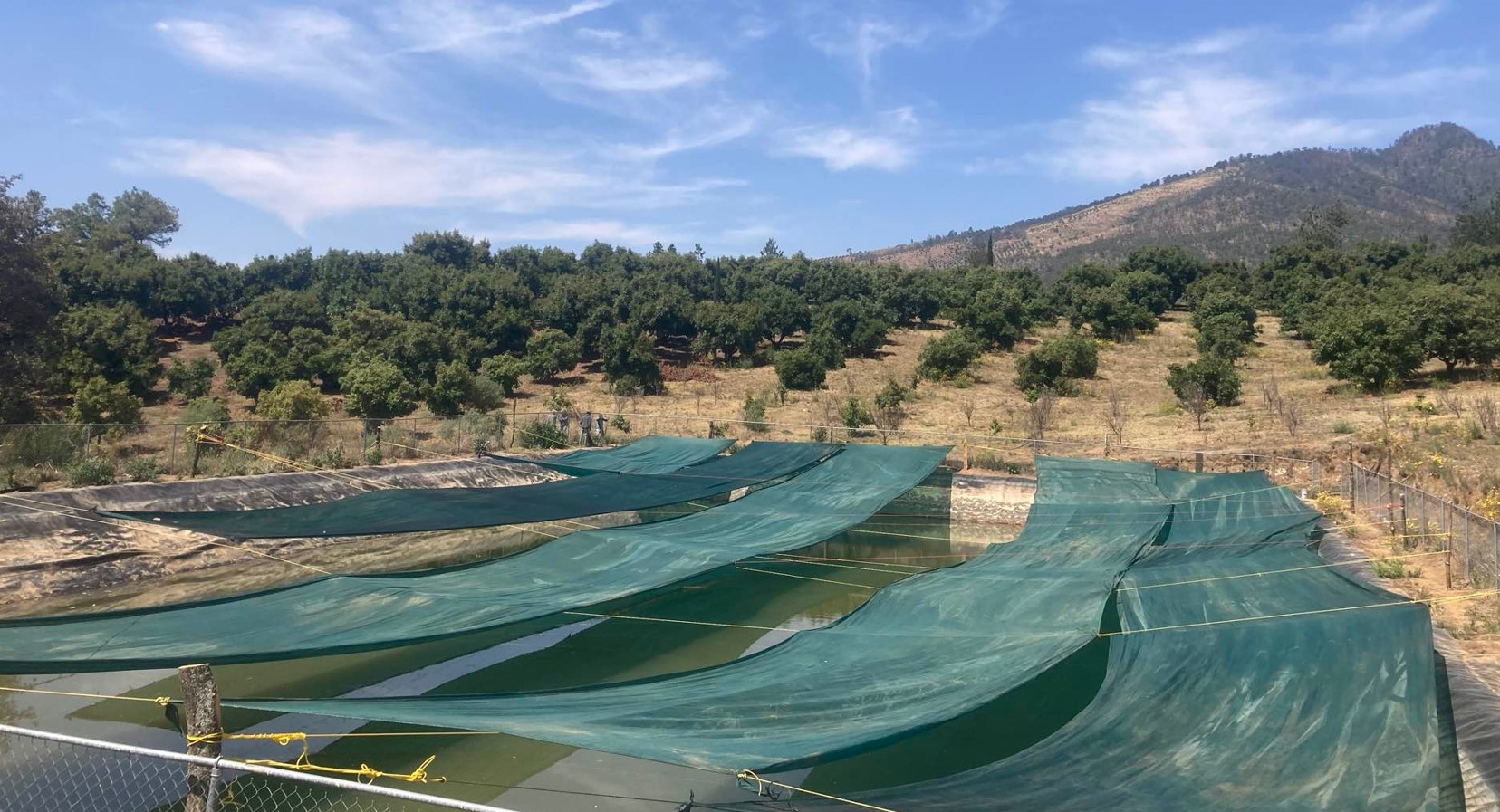
Raw water and make-upreservoirs. Water already brought to site at full pumping cost, held beforeuse.
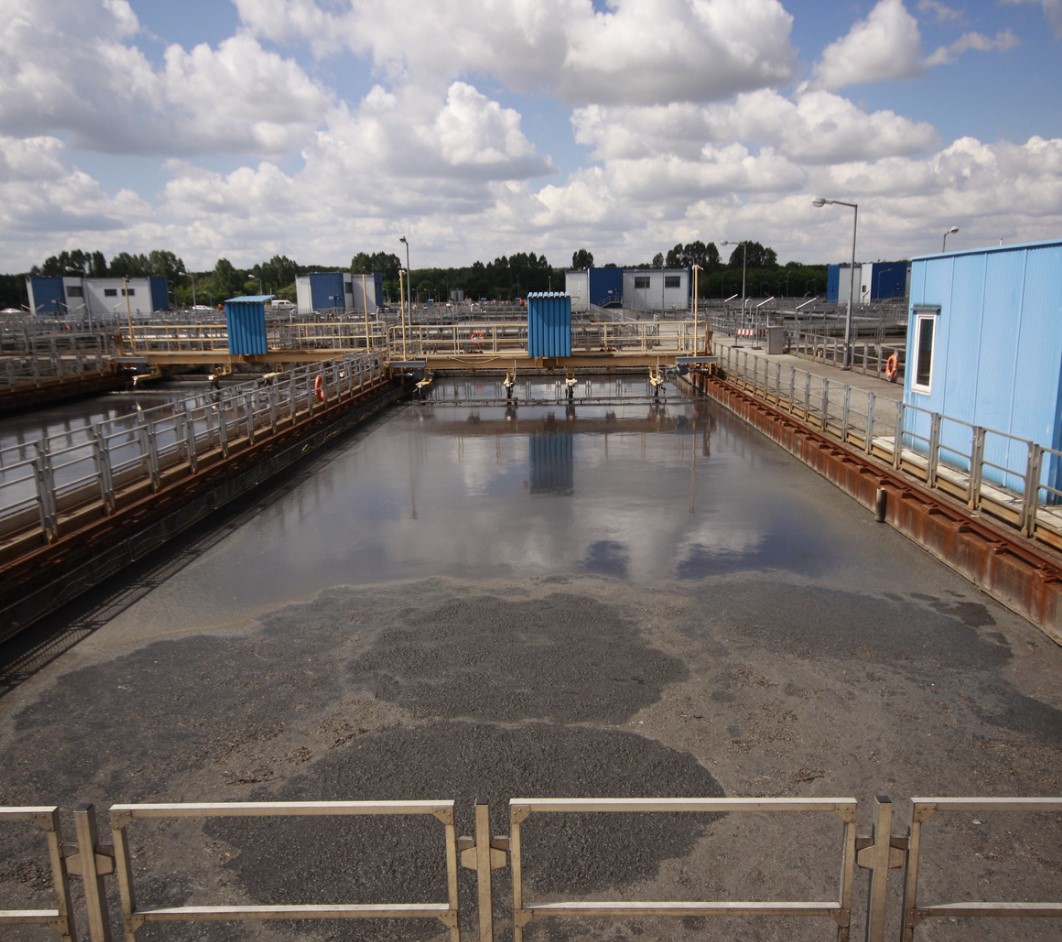
Process and recirculationponds. Where evaporation concentrates dissolved solids as well as removing volume, changing the chemistry the plant has to manage.
Water for dust suppression. In dry season operations this is a significant and often underestimated demand.
Heap leach solution ponds in copper and gold operations. Where PLS, ILS and raffinate ponds lose both water and, in heated circuits, temperature.
One exclusion we state before the client asks
Tailings dams are not a candidate. The regulatory framework that followed the Mariana and Brumadinho failures requires open visual inspection of these structures. Any product that obscures the surface works against that requirement. A supplier that offers to cover your tailings dam has not understood the environment you operate in.
Evaporation is the headline, but rarely the only problem
Sites that install covers usually justify the investment on water, then discover the secondary effects carry real cost of their own.
Algae
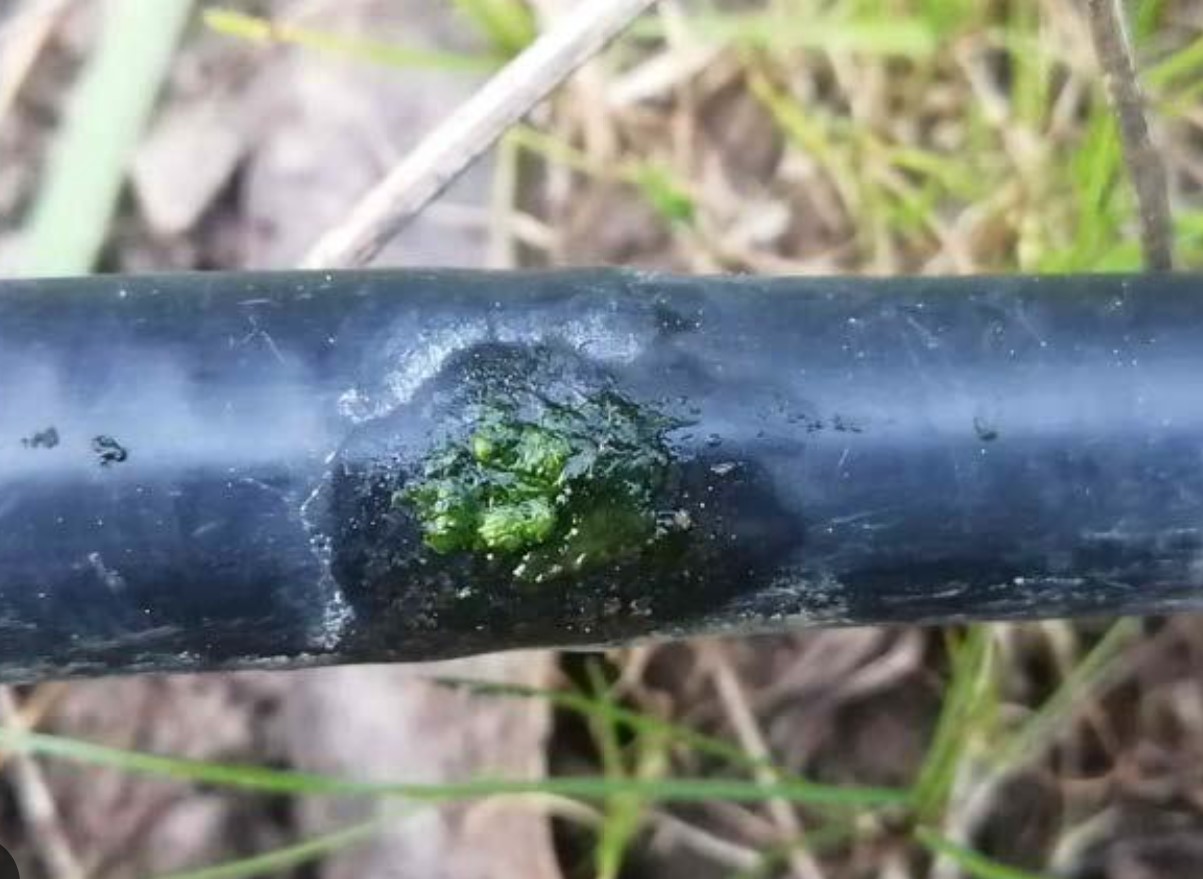
Sunlight on a nutrient-rich pond produces biomass that fouls filters, blocks nozzles, and forces chemical dosing with its own handling and disposal costs.
Heat loss
In heated hydrometallurgical circuits, an uncovered pond is a radiator. Under specific operating conditions, covering it reduces the auxiliary energy needed to hold process temperature, with savings that our modelling has placed as high as 75% for particular cases. The figure depends heavily on climate, pond geometry and target temperature, soit should be calculated per site rather than assumed.
Odor toward communities
Where process or effluent ponds sit within reach of a settlement, the air-water interface is the emission source. Sealing it addresses the cause rather than dispersing the symptom.
Wildlife
An open water mirror in a dry landscape attracts birds. Where the liquid is a process solution, that is both an environmental incident waiting to happen and a licensing conversation you would rather avoid.
What a modular floating cover changes
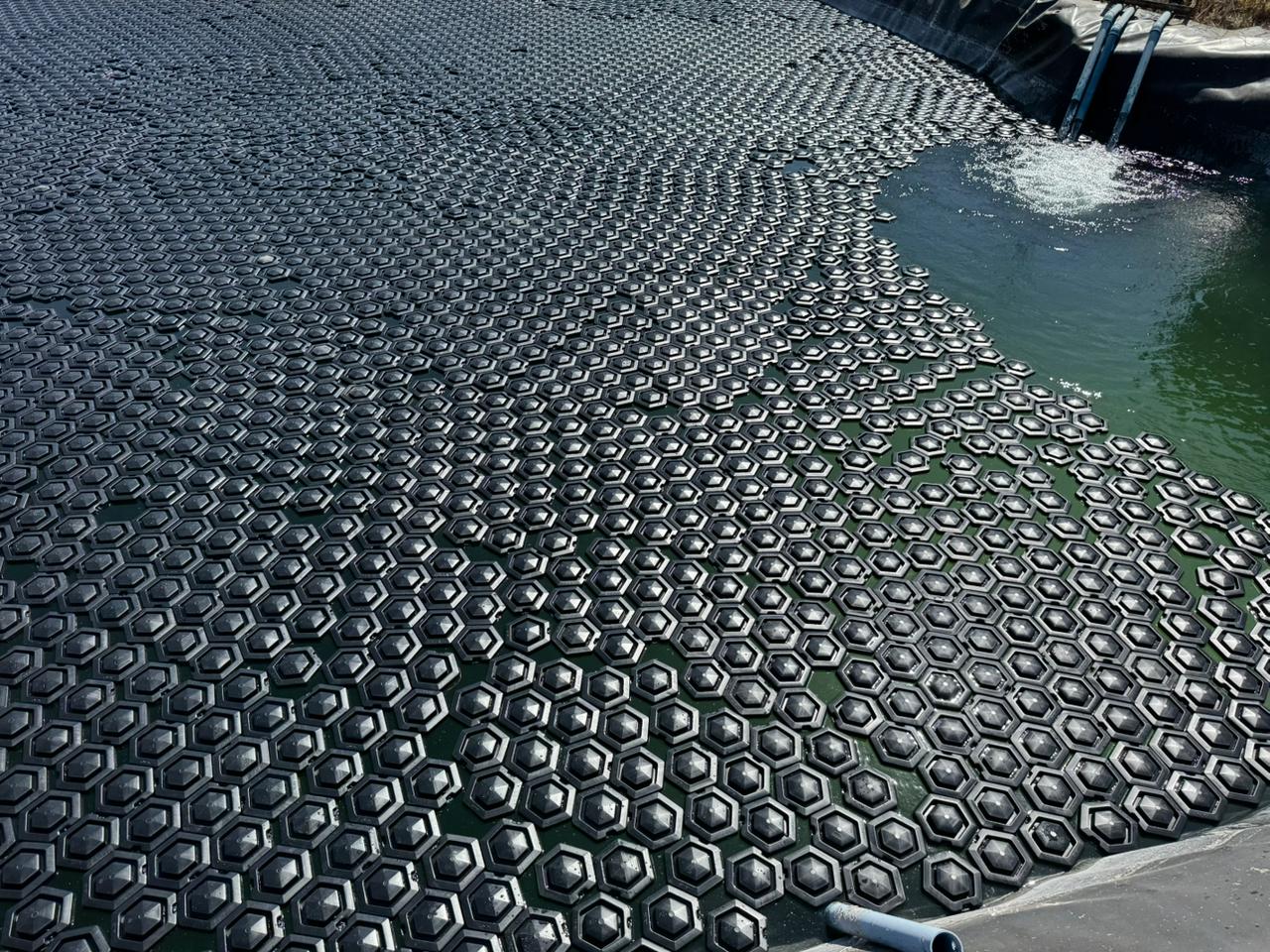
Covex is a blow-molded HDPE hexagon, 175 mm across, ballasted with water in its central chamber so that it sits low and stable on the surface. Fifty units cover one square meter.
Validated performance
● 98% of the liquid surface covered
● 97% reduction in evaporation
● 95% reduction in algae growth
● 90% reduction in odor emissions
● Wind resistance up to 100 km/h
● Operating range of -40 to 85 °C
● +25 year service life, 10 year warranty
What is absent from that list
No civil works. No anchoring structure. No mechanical systems. No maintenance program. The units self-organize on the surface, follow the water level as it rises and falls, and accommodate irregular shapes, pipe penetrations and variable freeboard without modification.
Installation is measured indays, not construction seasons, and it does not interrupt the operation of thepond.
Sizing the opportunity on your site
The calculation is straight forward. Take the net annual evaporation for your location in millimeters, multiply by the surface area of the pond, and apply the 97%reduction. The result is the volume you recover inside your existing outorga, every year, for the life of the cover.
From there the comparison is against what that volume costs you today: the pumping energy, the treatment, the chemical dosing driven by concentration and in the tightest basins, the production you cannot schedule because the water right will not stretch.
Run the numbers for your operation
We built a page for the Brazilian mining sector that works through this in detail: the loss mechanism, the operations where it hits hardest, and what recovery looks like inside the outorga you already hold.
Covex for Brazilian mining: same outorga, more water in your operation.
→ Learn more about floating covers for evaporation control: /mineracao