Floating Cover Manufacturers: Types of Covers and Leading Suppliers Compared
Search for "floating cover manufacturer" and you will find balls, hexagons, pods, membranes and insulated panels, all promising to stop evaporation, algae and odor. They are not interchangeable. Each type solves a different problem, behaves differently in wind and rain, and costs differently over its life.
This guide explains the main types of floating covers, who manufactures them, and how to compare suppliers on the criteria that actually determine performance on a real pond.
The main types of floating covers
1. Floating balls (spheres)
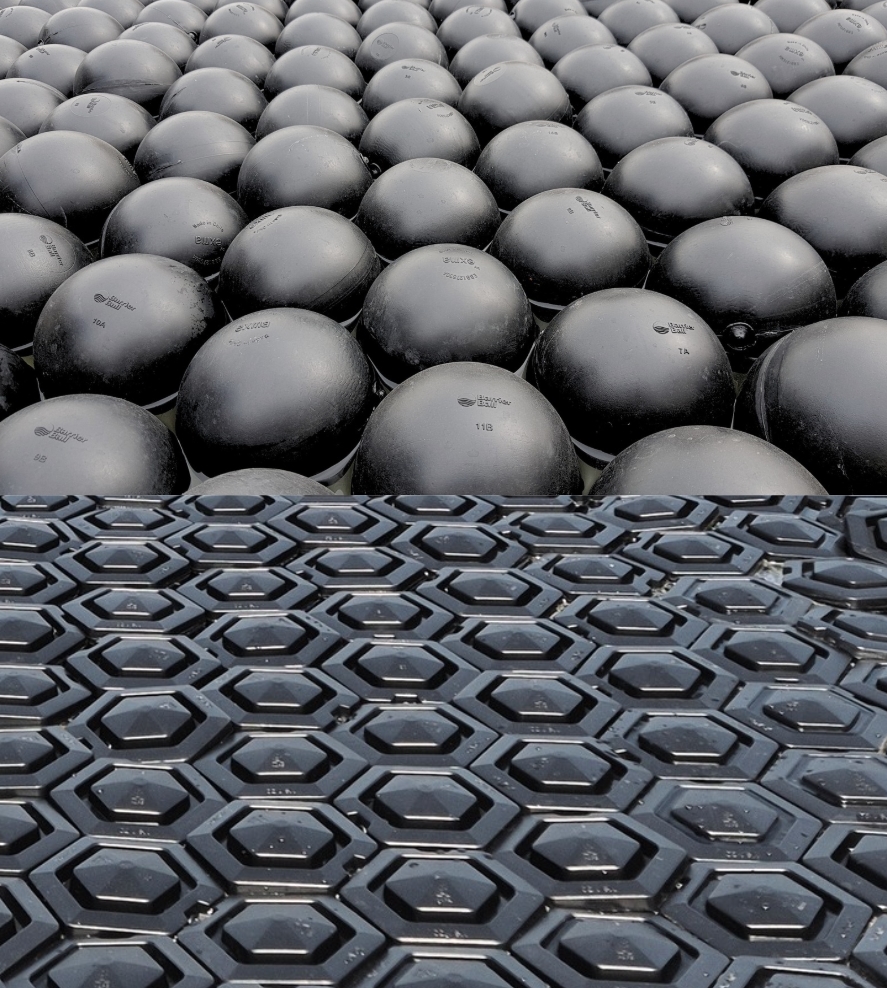
Hollow plastic spheres, usually HDPE, that self-arrange on the water surface. They were the first modular floating covers and are still widely used for bird exclusion at airports, mining ponds and drinking water ponds. Because spheres only touch at points, geometric coverage is limited to about 91% of the surface. Water-filled or self-filling versions resist wind better than empty ones.
Best for: bird and wildlife exclusion, small or irregular ponds, applications where partial coverage is acceptable.
2. Modular hexagonal covers (tiles and pods)
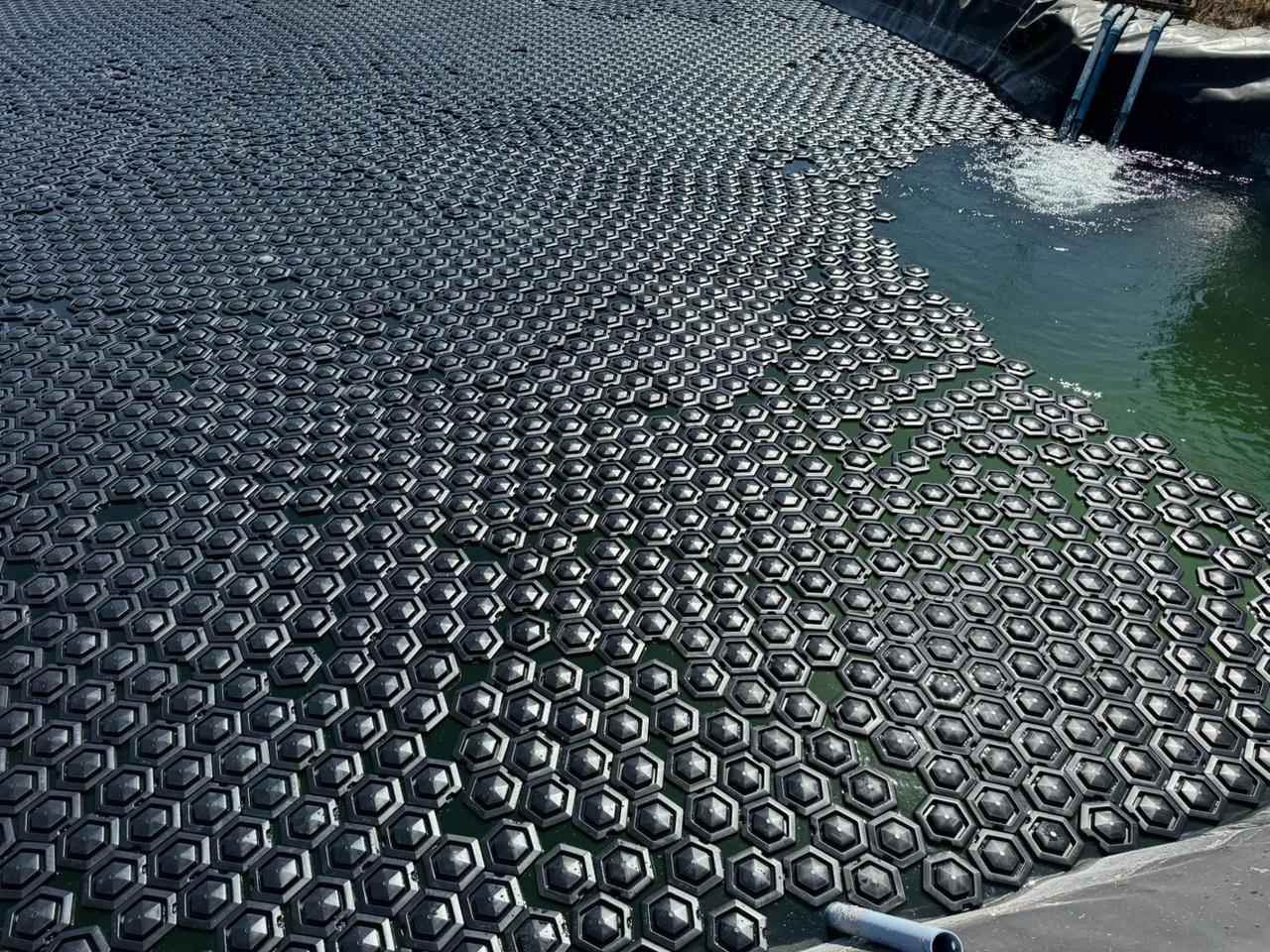
Hexagonal units that interlock edge to edge, reaching much higher coverage than spheres. Designs vary a lot: some are light tiles that float high on the water, others carry sealed water ballast in a central chamber to stay low and stable in wind. Like balls, they follow the water level, install without draining the pond and need no structure.
Best for: evaporation, algae and odor control on irrigation ponds, mining process ponds, wastewater lagoons and industrial ponds, including ponds with large level changes.
3. Continuous geomembrane covers
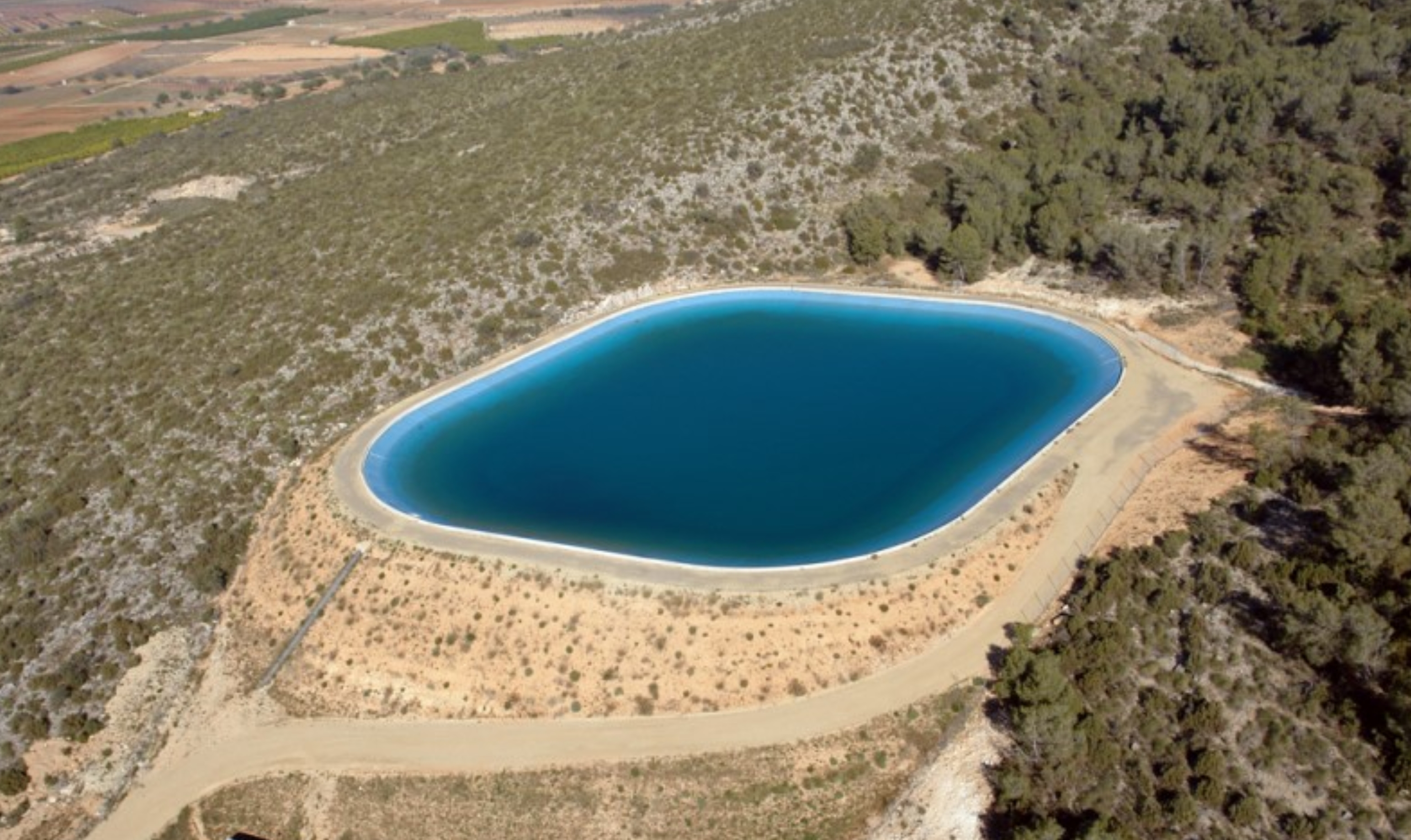
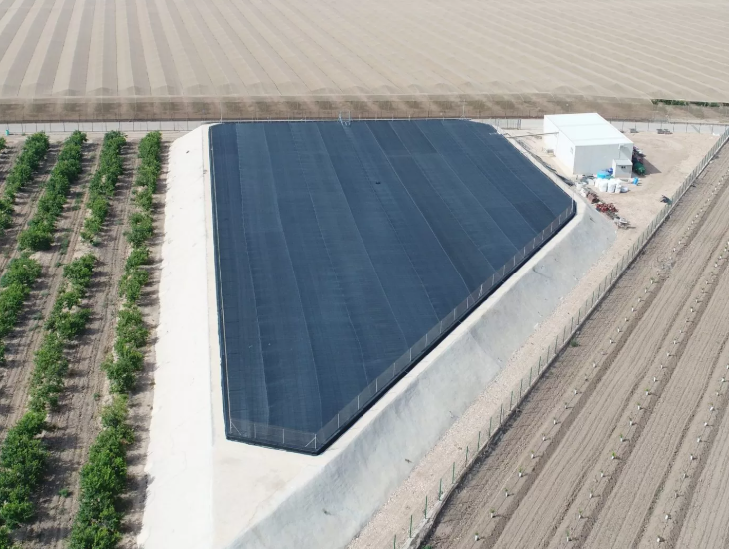
A single flexible membrane, typically HDPE, LLDPE or reinforced polypropylene, anchored around the perimeter and floating on the liquid. They can seal the surface almost completely and capture biogas, which makes them the standard for anaerobic lagoons and drinking water storage that must be fully enclosed. The trade-offs are engineering and maintenance: rainwater has to be pumped off the top, gas must be vented, tears need specialist repair, and access to the water below is restricted.
Best for: biogas capture, potable water storage, applications that require a complete seal.
4. Insulated modular panels
Rigid or semi-rigid panels, often foam-cored, assembled into a cover for tanks, clarifiers and digesters. Their main advantage is thermal insulation for heated processes. They are heavier and more expensive per square meter and are usually designed for a specific tank geometry.
Best for: heated tanks and anaerobic digesters where insulation is the priority.
5. Shade structures and suspended covers
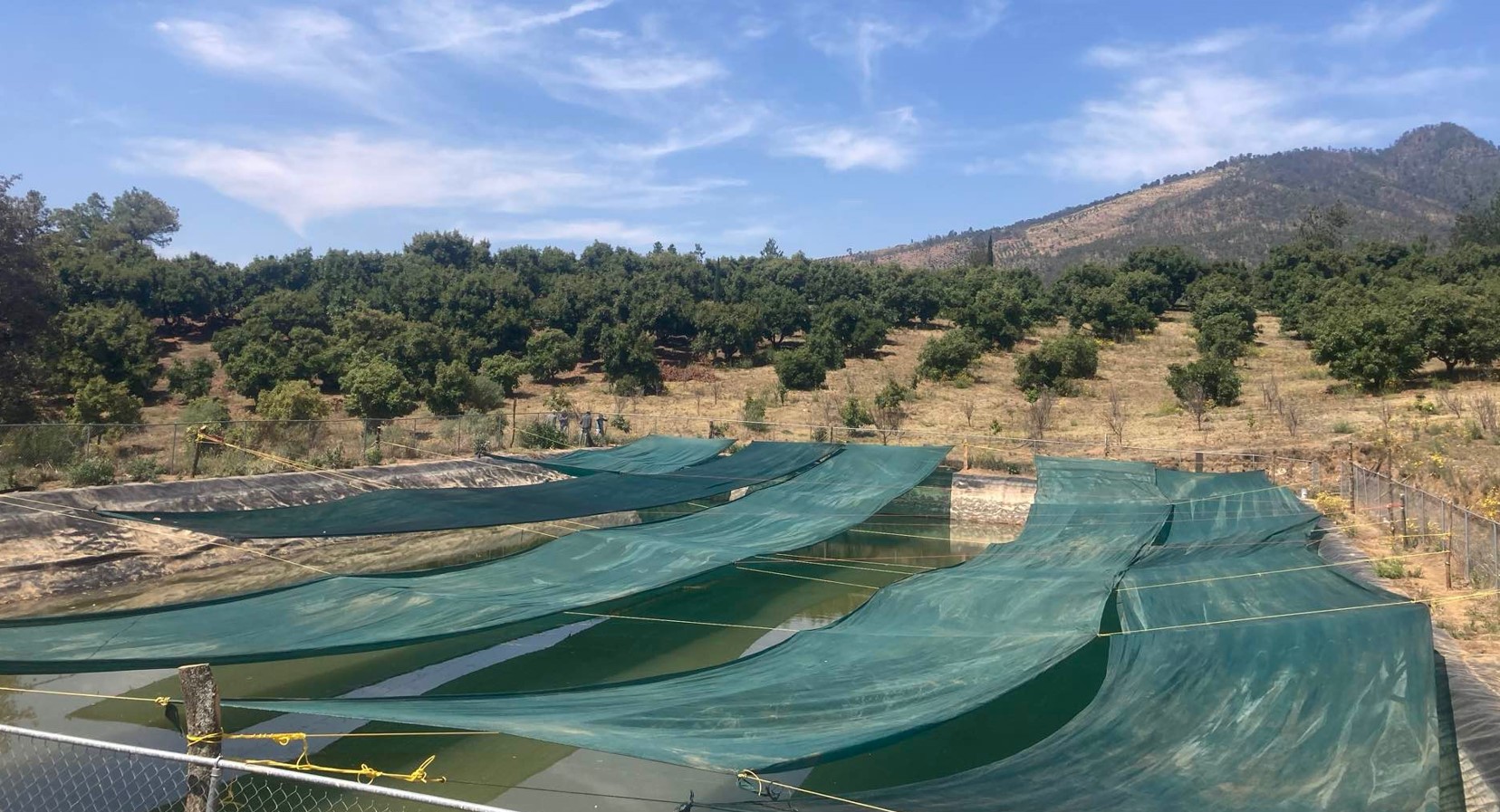
Shade cloth supported by cables or frames above the water. They reduce radiation and some evaporation, but they do not seal the water-air interface, they need foundations and structural inspection, and they become expensive above a few thousand square meters.
Best for: small, high-value tanks where a structure is acceptable.
Leading floating cover manufacturers by type
The list below groups well-known manufacturers by the type of cover they are best known for. It is not exhaustive, and most suppliers offer more than one product.
- EXMA Ltda. (Chile): pioneer in the manufacture of modular floating covers since 1997. It manufactures Barrier Ball®, the first modular floating ball cover in the Americas, and Covex®, a hexagonal HDPE floating cover with sealed water ballast, used in mining, agriculture, wastewater and industry across the Americas, Europe, the Middle East and Australia.
- Hexa-Cover A/S (Denmark): hexagonal floating tiles made from recycled polypropylene, widely used on slurry and wastewater lagoons in Europe.
- Evapocontrol (Spain): hexagonal HDPE floating modules focused on irrigation ponds in Spain and Europe.
- AquaArmour (Australia): hollow hexagonal HDPE pods for farm dams and water storages.
- XavierC (United States): water-filled plastic shade balls, known for the Los Angeles reservoir projects.
- Euro-Matic (United Kingdom): bird deterrent and cover balls, including water-filled and self-filling versions.
- Advanced Water Treatment Technologies, AWTT (United States): modular and insulated floating covers for frac ponds, tanks and clarifiers.
- Industrial & Environmental Concepts, IEC (United States): insulated modular panel covers for tanks and digesters, and distributor of Covex® in the United States.
- Layfield (Canada) and other geomembrane fabricators: continuous floating membrane covers for potable water and biogas applications.
How to compare floating cover suppliers
Catalog figures look similar across suppliers. These six questions separate the products.
1. Is the figure measured reduction or geometric coverage?
Covering 95% of the surface does not mean reducing evaporation by 95%. Ask for the measured reduction, the method used (for example Eddy Covariance or a validated energy balance model) and where it was measured. A supplier that only quotes coverage is not telling you the result.
2. Does the unit carry ballast?
An unballasted unit floats high, with its center of gravity above the water. In wind it lifts, overlaps and piles up against one bank, exposing open water exactly when evaporation is highest. Sealed water ballast keeps the unit low and the cover in formation.
3. What is the wind rating, and how much sits above the water?
Ask for a wind resistance figure and the freeboard, the height of the unit above the waterline. The less surface exposed to the wind and the more weight below the waterline, the more stable the cover.
4. What happens when it rains?
Modular covers let rain pass between the units. Continuous membranes collect it on top, and it must be pumped. On a large pond in a rainy climate, that is a real operating cost.
5. What polymer, what UV protection and what warranty in writing?
Ask for the polymer (HDPE or PP), the UV package, the operating temperature range and a warranty document, not a brochure statement. For process solutions, ask for an immersion test with your actual liquid.
6. Will they calculate your site?
Savings depend on climate, pond geometry and how full the pond is through the year. A serious supplier calculates evaporation and recovered water for your location instead of quoting a generic percentage.
Where Covex® fits
Covex® is a modular hexagonal cover designed around those six criteria. Each HDPE unit carries sealed water ballast in its central chamber, which keeps it low on the water and stable in wind. Published figures for Covex® are:
- Up to 97% evaporation reduction and 98% surface coverage.
- Over 90% less algae growth and over 90% less odor, measured above the liquid surface.
- Wind resistance up to 100 km/h (Covex® XT50) and 80 km/h (Covex® X50).
- 10-year warranty and an expected service life of 25+ years.
- Site-specific evaporation calculations with a model validated by Eddy Covariance measurements.
Full data for both models is on the Covex® technical specifications page.
Frequently asked questions
Which type of floating cover reduces evaporation the most?
Continuous membranes and well-designed modular hexagonal covers achieve the highest reductions because they cover almost the entire surface. Among modular options, ballasted hexagons outperform spheres, which are limited to about 91% coverage.
Are floating balls or hexagons better?
Balls are simple and effective for bird exclusion. Hexagons interlock, cover more of the surface and, when ballasted, hold formation better in wind, so they are usually the better choice when evaporation, algae or odor are the main goal.
Do floating covers work on mining tailings ponds?
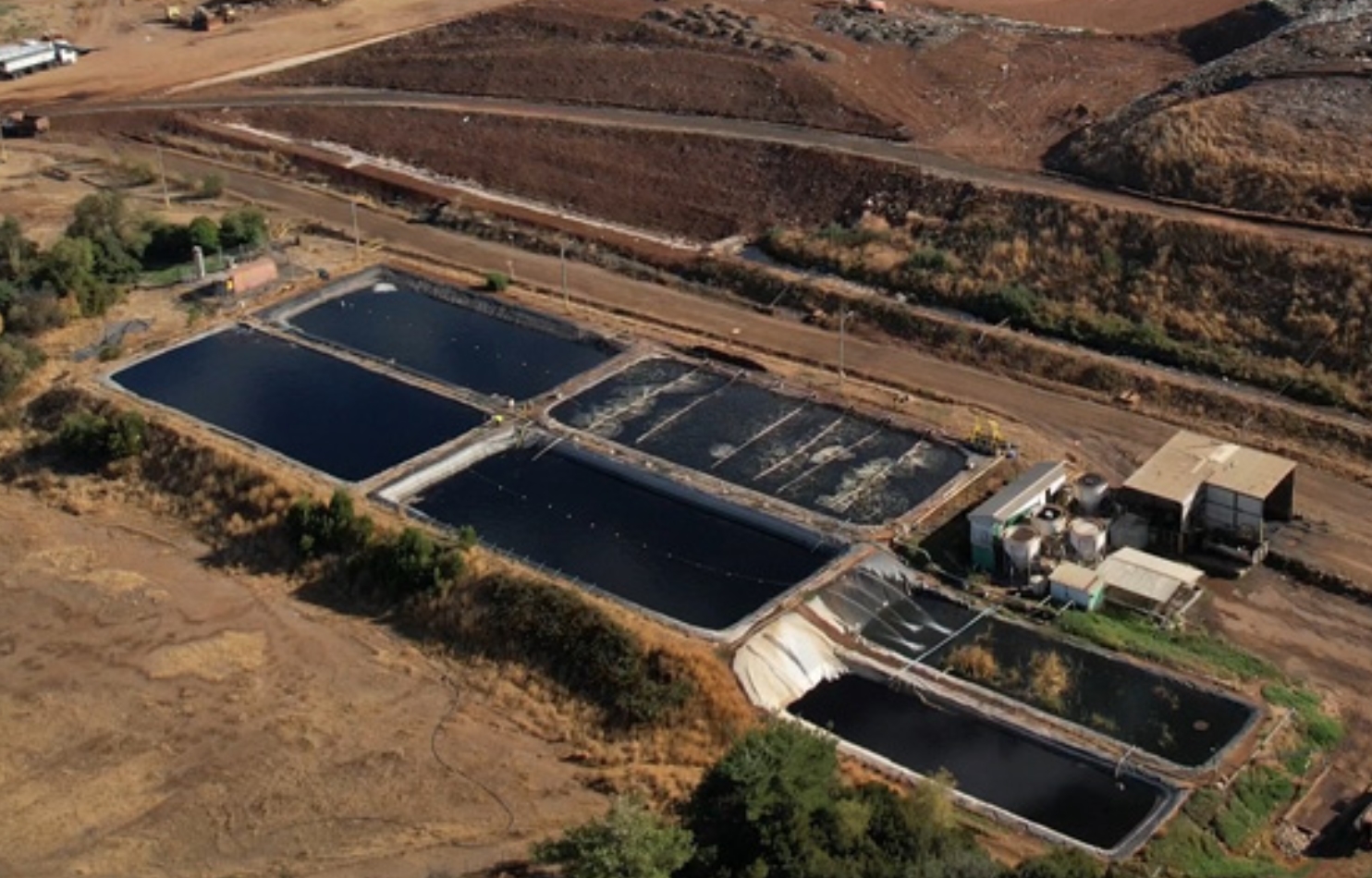
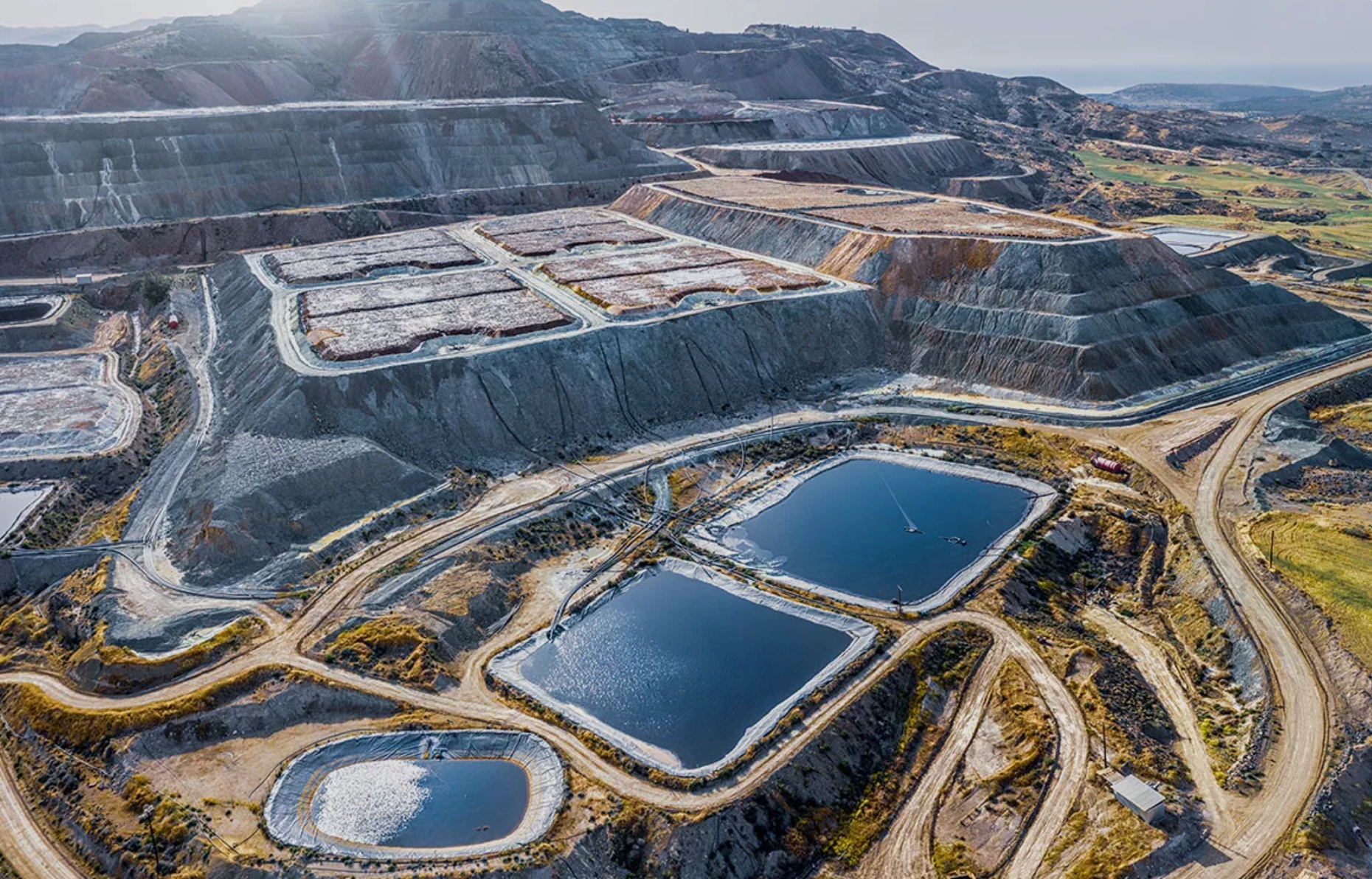
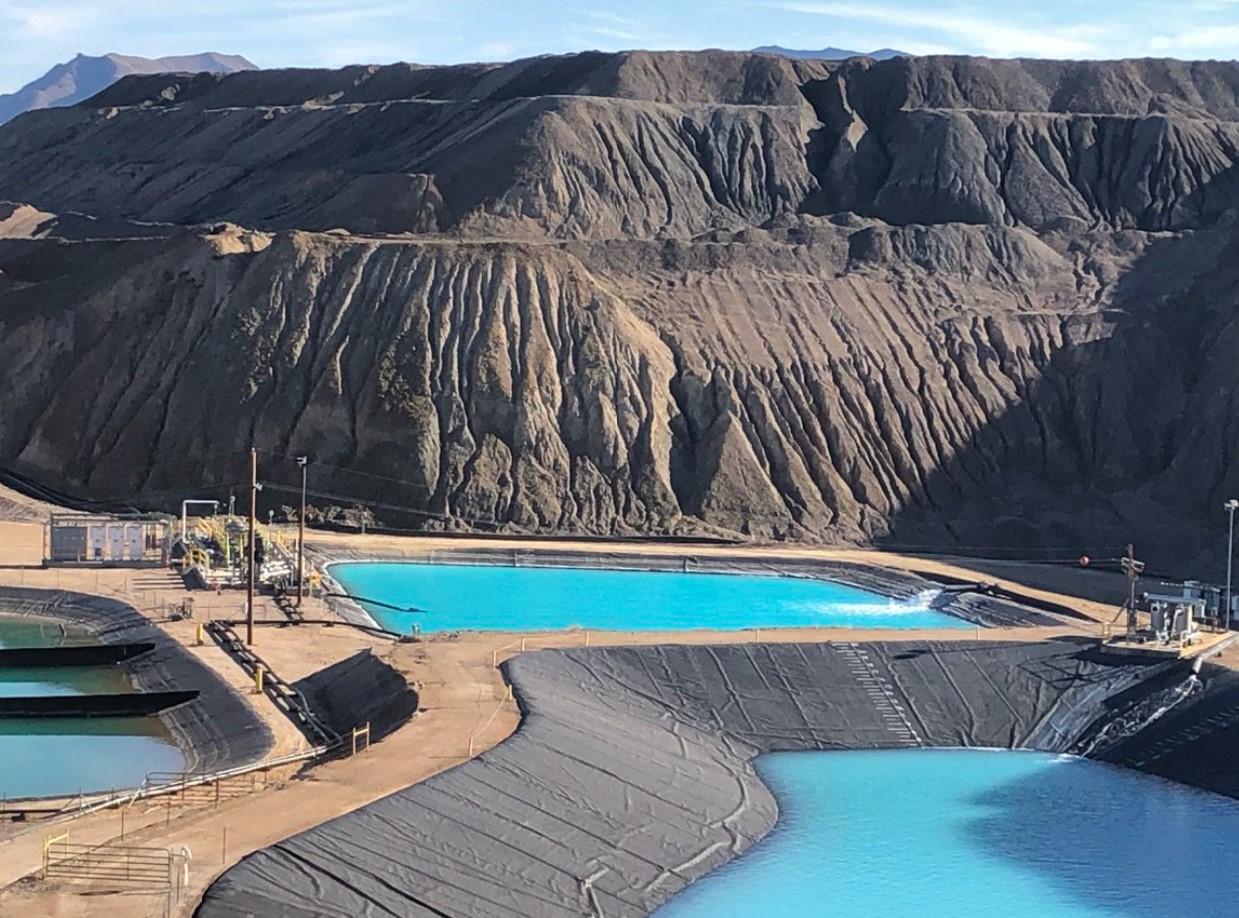
Modular covers such as Covex® are used on tailings ponds, as well as on PLS, raffinate and cyanide solution ponds, to reduce evaporation and keep wildlife off the water. Tailings facilities keep their own safety and inspection requirements.
How long do floating covers last?
It depends on the polymer and UV protection. UV-stabilized HDPE covers such as Covex® carry a 10-year warranty and an expected service life of more than 25 years.
Next step
If you are comparing suppliers for a specific pond, send us its location and surface area. We will calculate the evaporation and recovered water for your site and answer the six questions above for Covex®.