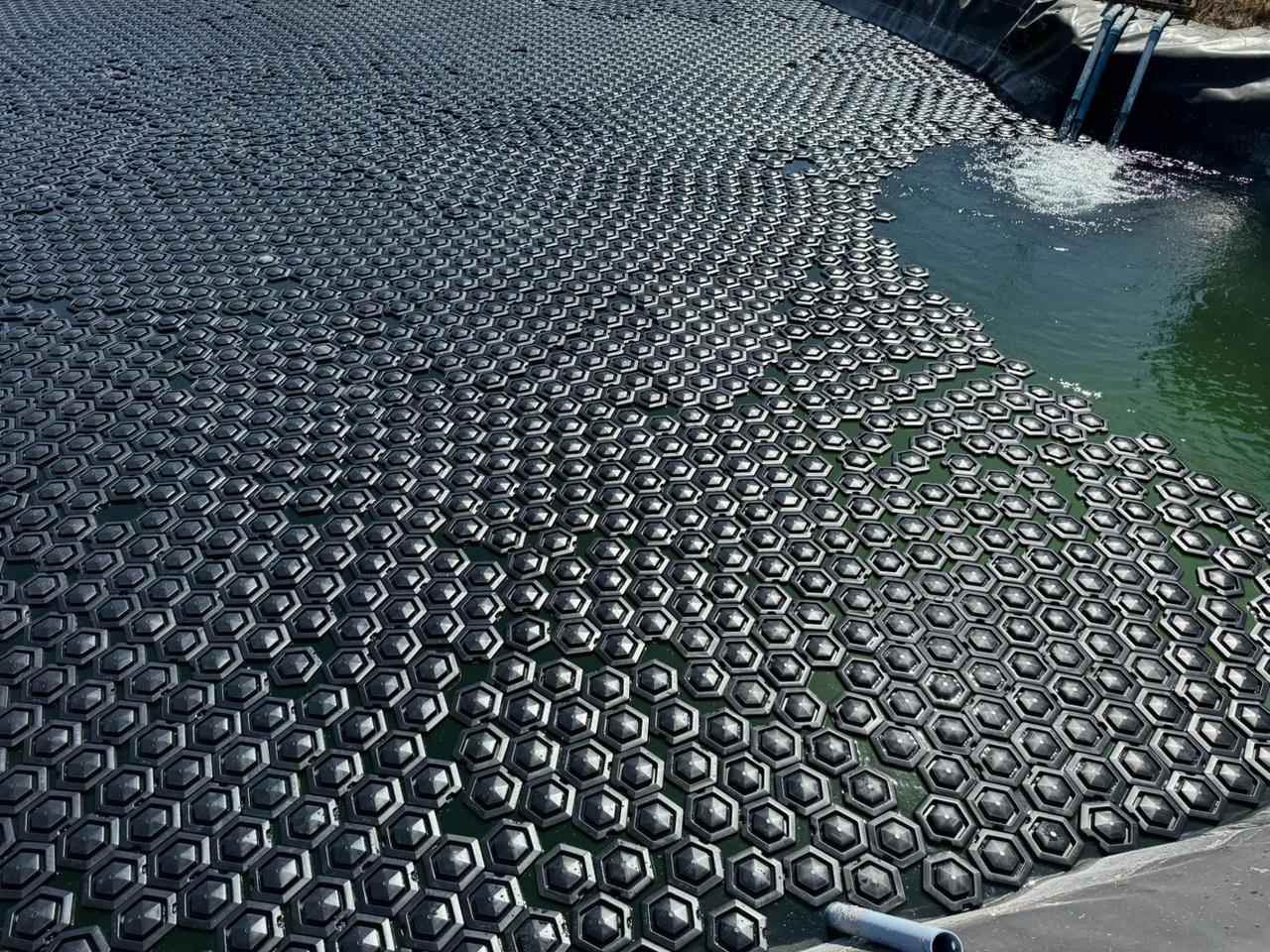
Landfill Leachate Pond Odor: Why It Reaches the Community and How to Control It at the Source
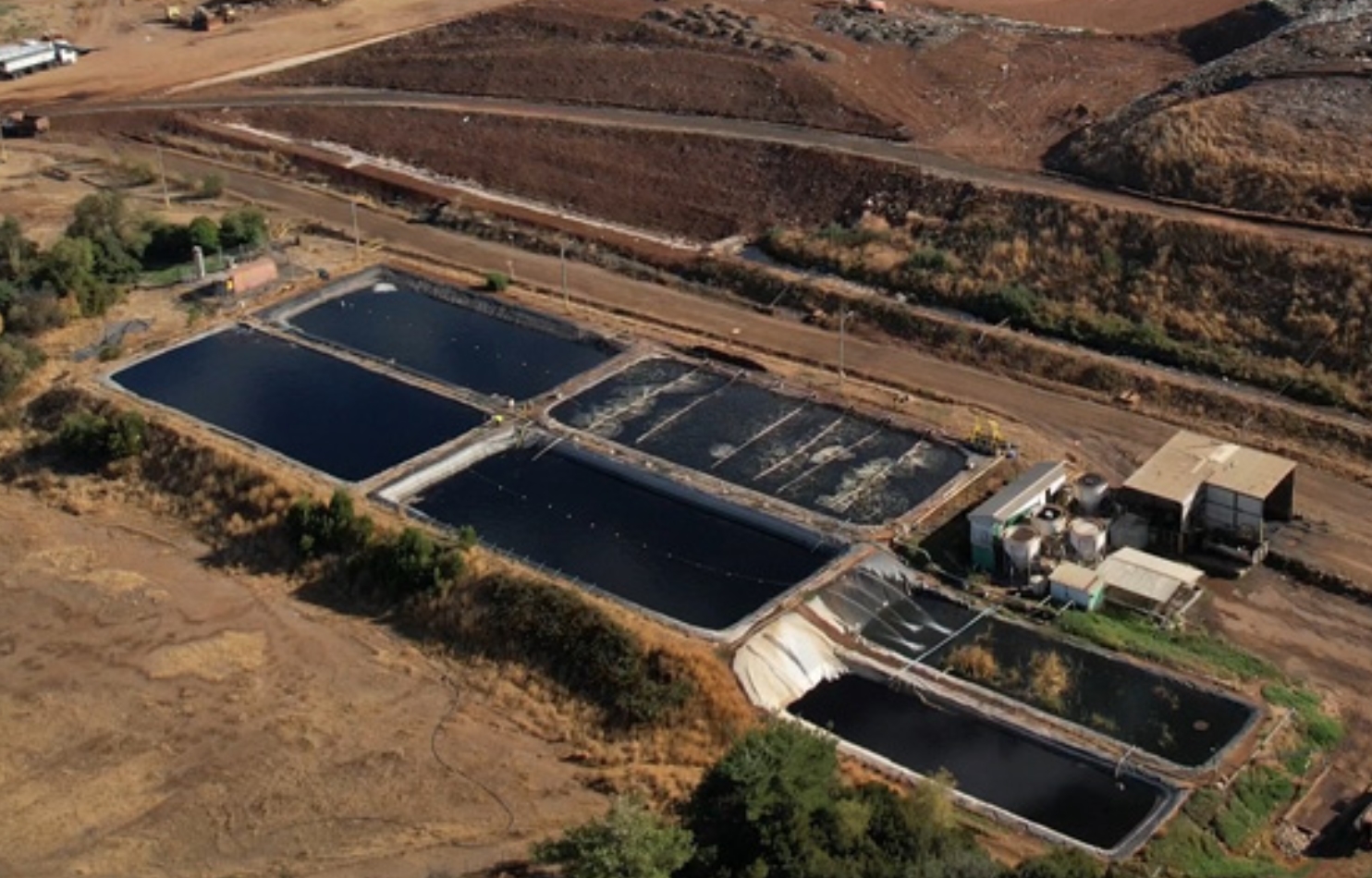
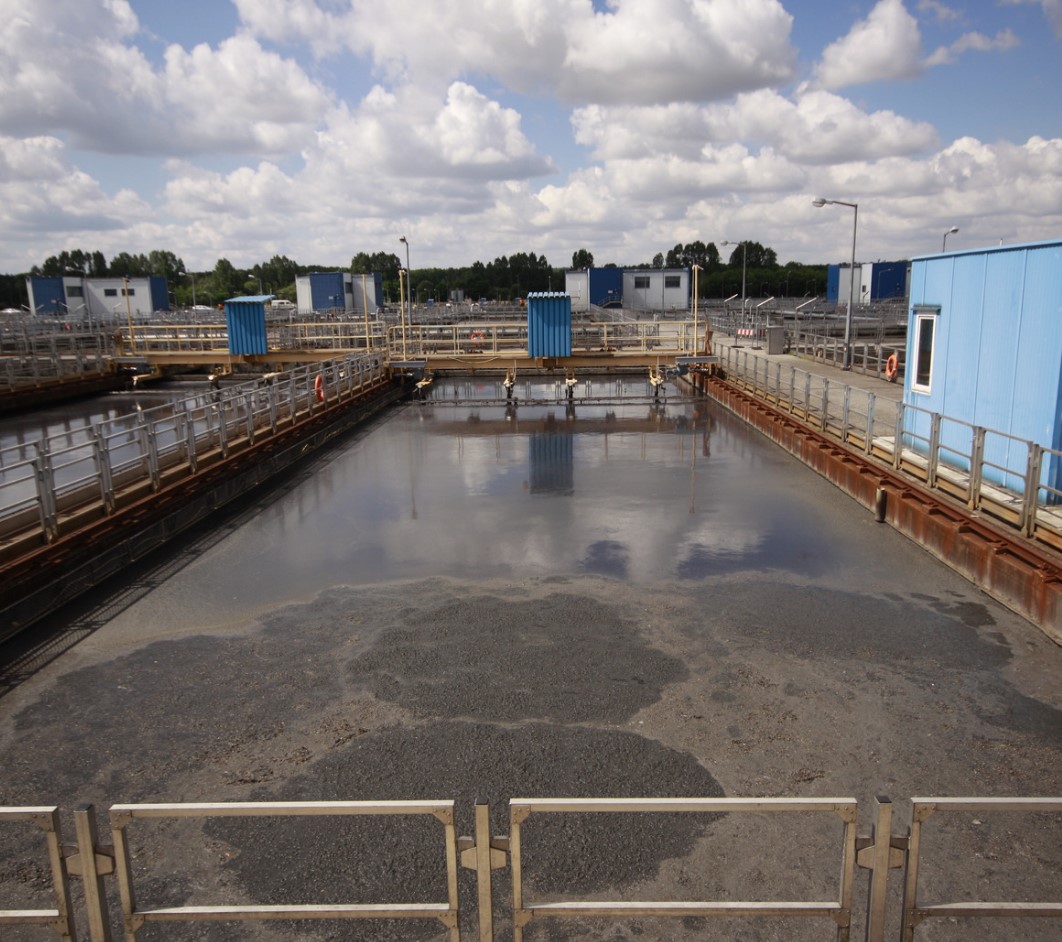
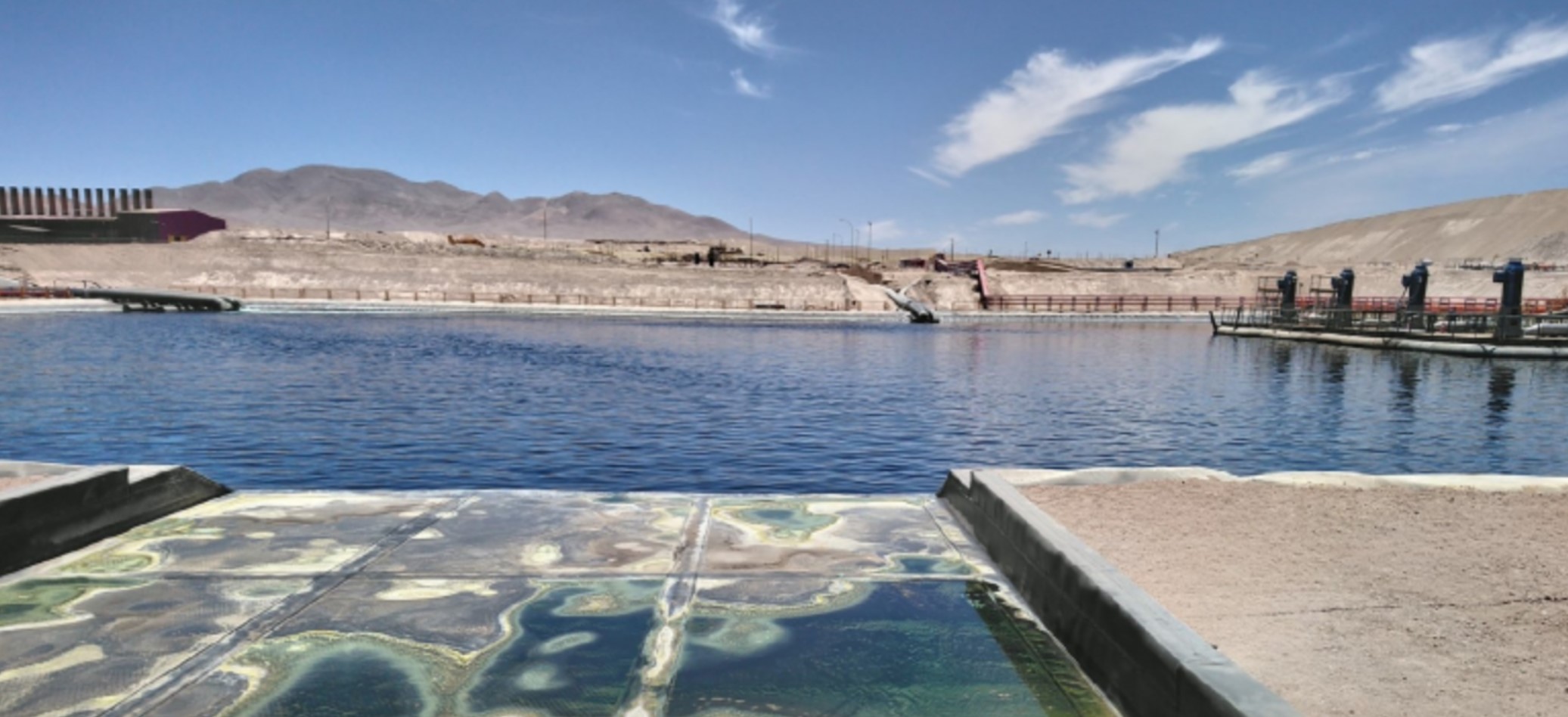
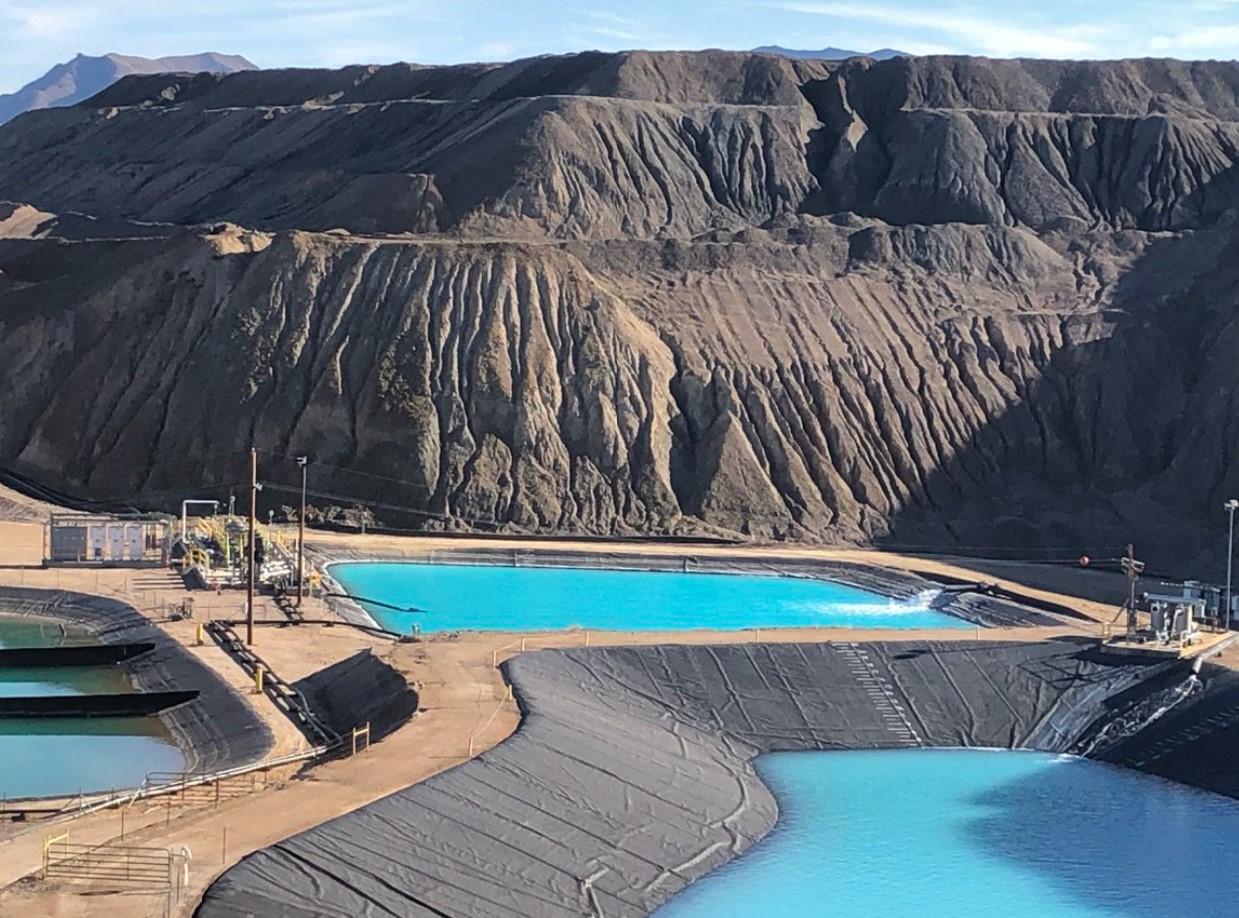
When neighbors complain about a landfill, the first suspect is usually the working face. But on many sites a large share of the odor that reaches the community comes from somewhere quieter: the leachate pond. It is open, it never stops emitting, and it sits exactly where the wind can pick up whatever rises from it.
This article explains why leachate ponds smell, why the complaints follow the wind, how the usual odor controls compare, and where a modular floating cover such as Covex® for landfill leachate ponds fits.
Why leachate ponds smell
Leachate is the liquid that percolates through the waste mass. It carries a concentrated mix of everything the landfill produces as waste decomposes: ammonia, amines, reduced sulfur compounds, volatile fatty acids and other volatile organic compounds. Many of them can be detected by the human nose at very low concentrations.
On an open pond, those compounds move from the liquid into the air across the surface. Three factors drive how much escapes:
- Exposed surface. Every square meter of open liquid is an emitter. A bigger pond emits more, all else being equal.
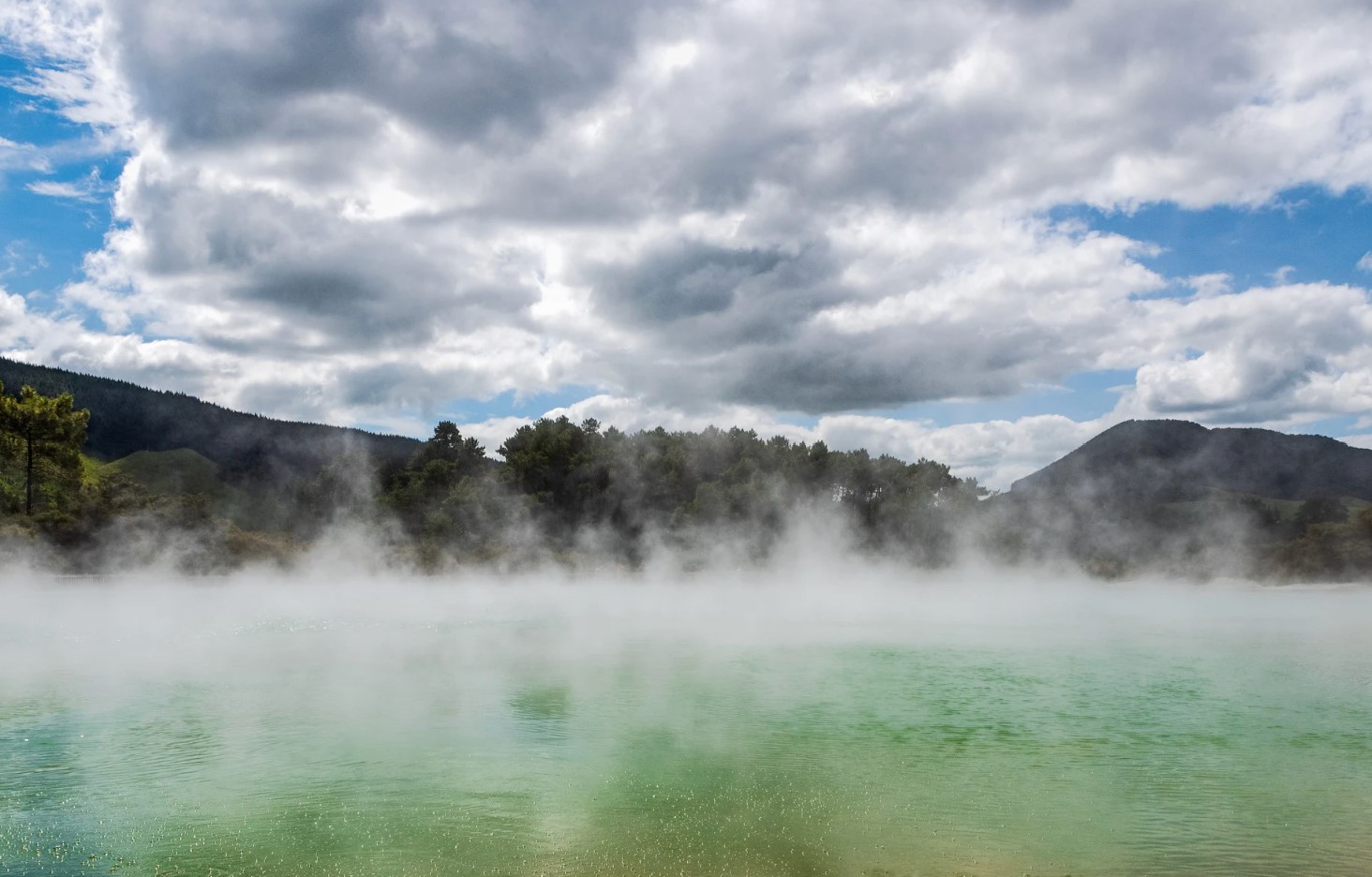
- Air movement over the liquid. Wind sweeping across the surface constantly replaces the air in contact with the liquid and strips the compounds away. The stronger the airflow, the higher the transfer.
- Temperature and activity in the pond. Warm leachate, pumping, recirculation and decaying algae all add to the emission.
Why complaints follow the wind
The same wind that strips odorous compounds from the surface carries them downwind. That is why odor episodes tend to cluster on warm, windy afternoons, and why complaints often come from homes that cannot even see the landfill. The pond does not need to be large to have a large odor footprint; it only needs to be open and upwind of someone.
For the operator, the cost is rarely the odor itself. It is what follows: a pattern of complaints that puts the site on the regulator's agenda, inspections and monitoring requirements, and a harder conversation every time the site applies for a new cell, a permit renewal or a capacity increase.
Odor control options for leachate ponds
There is no single right answer for every site. These are the options operators usually consider, with what each one does well and where it falls short.
1. Neutralizer misting and fragrances
Perimeter misting systems spray neutralizing agents into the air around the pond. They can reduce perception at the fence line, but they treat the air after the odor has left the pond. They need continuous dosing, water and energy, and the odor returns as soon as the system stops or the wind changes direction.
2. Chemical dosing of the leachate
Adding oxidants or other reagents to the leachate can change its chemistry and reduce specific compounds. It is a recurring cost that has to be adjusted as the leachate changes, and it does not address the open surface that keeps emitting.
3. Aeration and treatment
Treating the leachate on site changes what it contains, and is often required anyway. While aerators are running, however, the agitation at the surface can increase the release of volatile compounds. Treatment and surface control are complementary, not alternatives.
4. Floating membrane covers
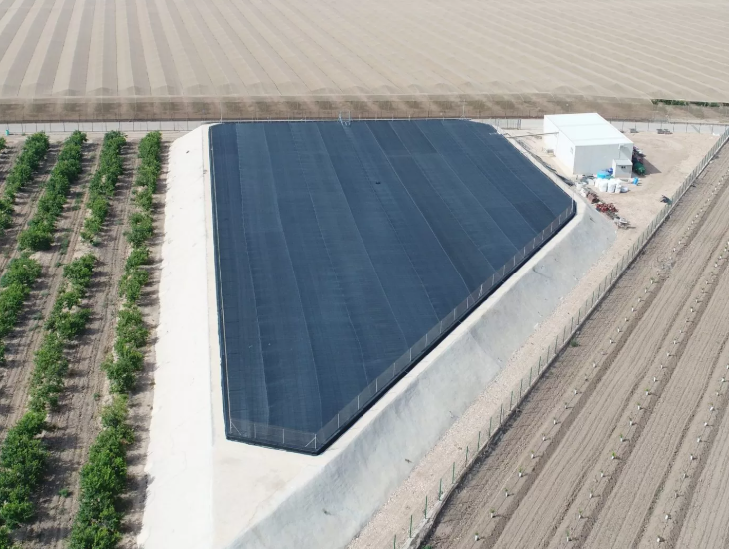
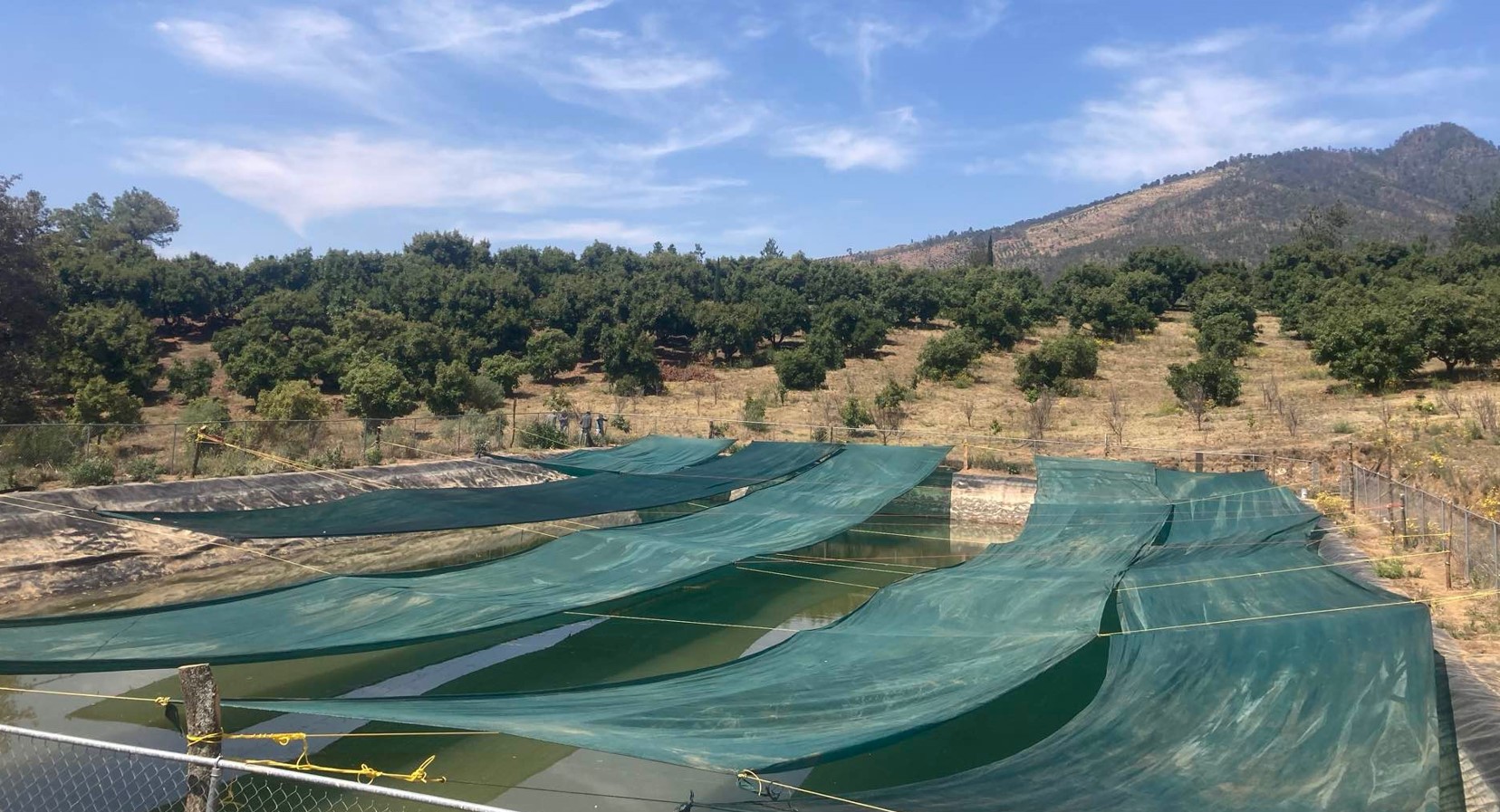
A continuous geomembrane anchored around the perimeter can seal the surface almost completely, and it is the right tool when the goal is to capture gas. The trade-offs are engineering and operation: rainwater collects on top and has to be pumped off, gas must be vented or treated, the pond often has to be drained to install it, and a tear affects the whole sheet.
5. Structural covers
Rigid roofs or domes over a pond enclose it completely, usually with ventilation and treatment of the extracted air. They are effective and expensive, and they become impractical on large ponds.
6. Modular floating covers
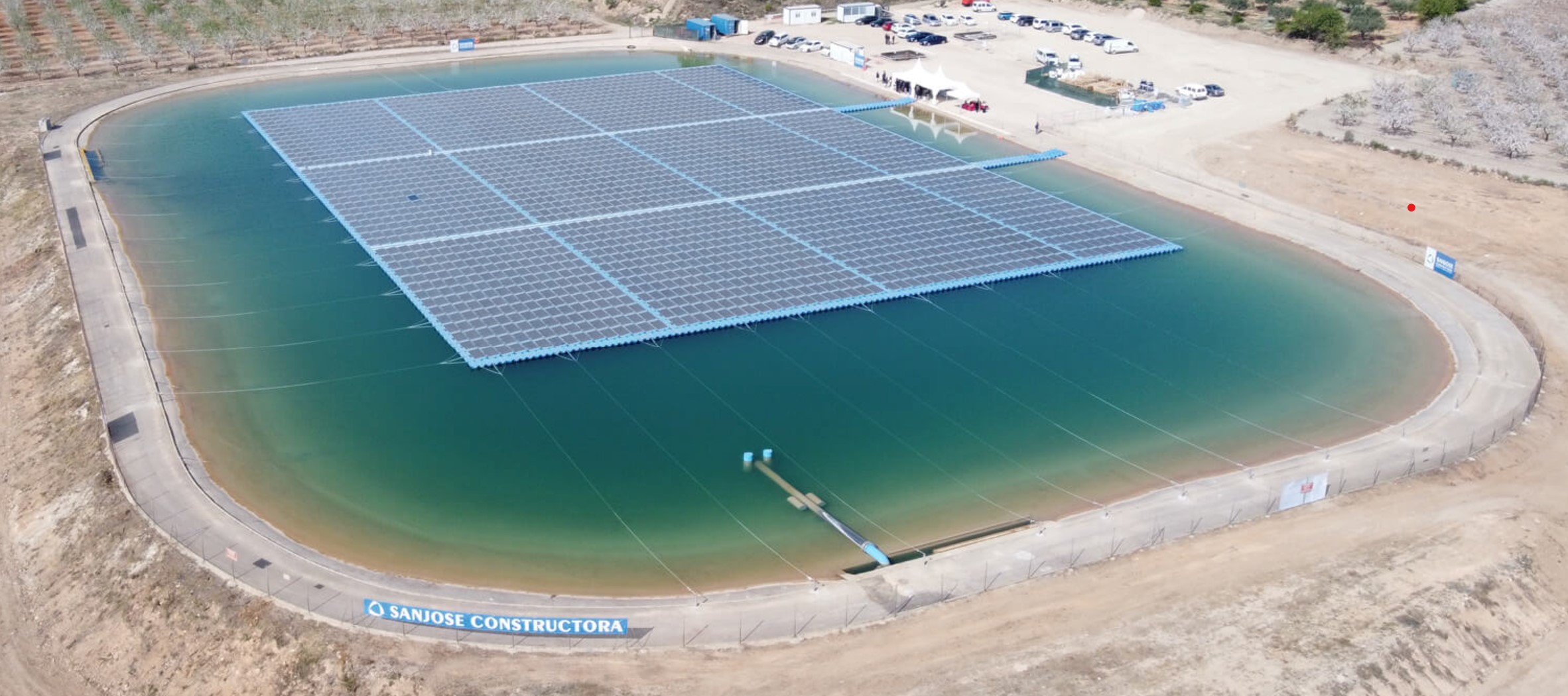
Floating units that spread across the surface and cover it without any structure. They reduce the exposed area and keep the wind off the liquid, follow the level as it changes, let rain pass through and install without draining the pond. They do not capture gas.
How a modular floating cover reduces odor
A floating cover acts on the three factors that drive emissions, at the source:
- Less emitting surface. With 98% of the pond covered, odorous compounds are left with only the small gaps between units to escape through.
- No wind stripping. Air moves over the cover instead of across the liquid, so the wind stops pulling compounds out of the pond.
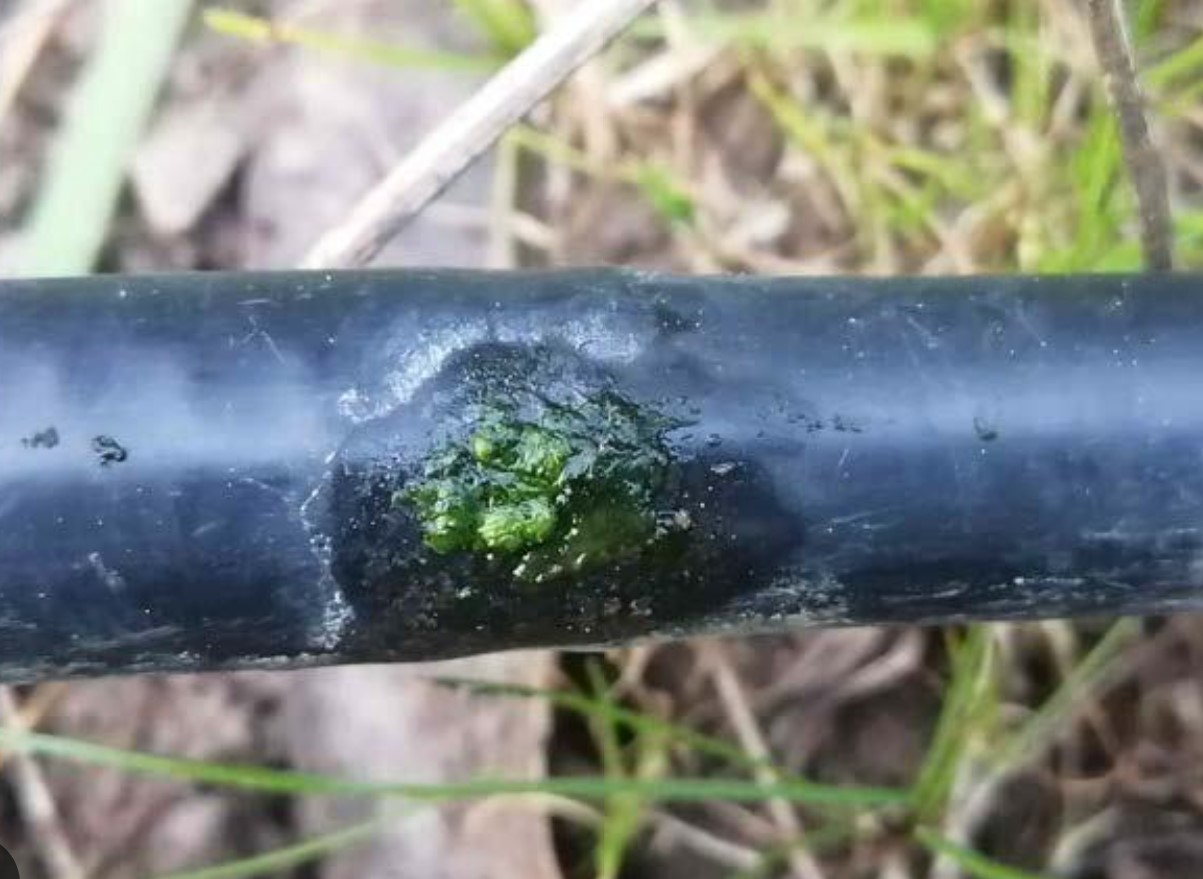
- No light, no algae. Blocking sunlight cuts algae growth by over 90%, and with it the odors of blooms decaying in the pond.
Our floating cover technology was tested by an independent environmental laboratory using dynamic olfactometry on side-by-side ponds of high-load organic effluent, one covered and one left open, under still air and under forced airflow across the surface. The reduction in odorous gases was greatest under airflow. In other words, the cover works hardest in the exact condition that carries odor from a pond to a community.
What to check before covering a leachate pond
- Leachate chemistry. HDPE has broad chemical resistance and is the standard material for landfill liners, but leachates with unusual chemistry should be reviewed before quoting.
- Surface equipment. Map aerators, pumps, inlets, floats and level sensors. Storage, equalization and holding ponds are the best fit; ponds with surface aerators or strong turbulence need a case-by-case layout.
- Operating levels. Record the normal and minimum levels. Units left on the slope at very low levels are the most exposed to strong wind.
- Wind exposure. Landfills sit on open terrain. Check the maximum wind at the site against the cover's rating.
- Access. Define where operators need clear access for sampling or maintenance.
- A baseline. Measure odor before installation with your environmental consultant, so the result after installation can be shown, not just claimed.
What a floating cover does not do
- It is not gas-tight. If the goal is to collect gas, a sealed membrane system is the right choice.
- It does not treat the leachate. It controls emissions from the surface; treatment remains a separate process.
- It does not fix every odor source on site. The working face, gas collection and other sources still need their own controls. Covering the pond removes one of the most constant sources, which makes the rest easier to identify and manage.
Where Covex® fits
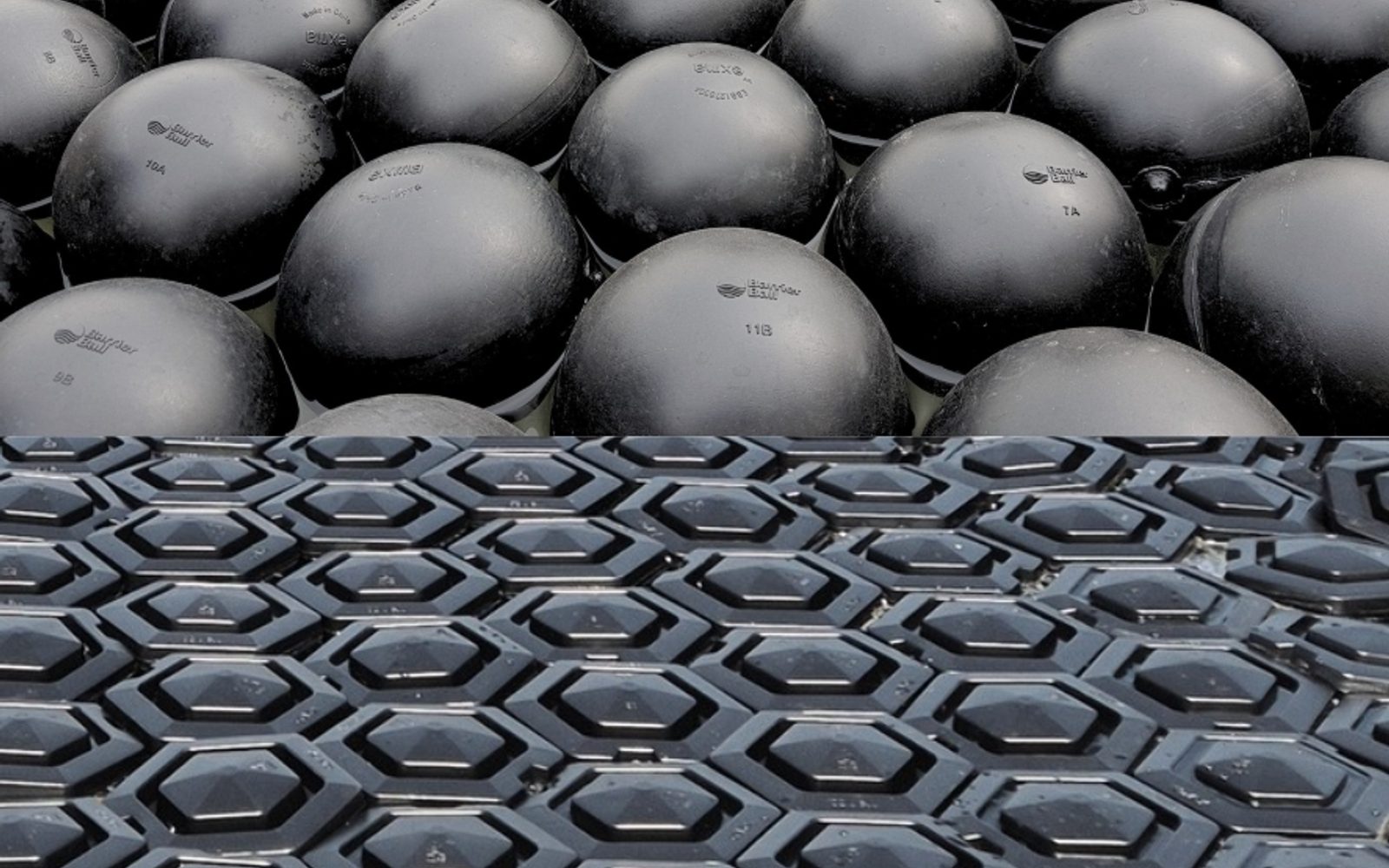
Covex® is a modular cover of hexagonal HDPE units with factory-sealed water ballast. Nothing is filled on site and no unit ever takes on leachate. Published figures for Covex® are:
- Over 90% reduction in odor and emissions, with 98% of the surface covered.
- Over 90% less algae growth.
- Wind resistance up to 100 km/h (Covex® XT50) and 80 km/h (Covex® X50).
- Operating range from -40 °C to 85 °C (ASTM D648).
- 10-year warranty and an expected service life of more than 25 years, with UV-stabilized HDPE and carbon black.
- No energy, no chemicals and no consumables in operation. Rain passes through and the cover follows the level by itself.
See how it works on a leachate pond, with a side-by-side of the odor control options, on the Covex® landfill page.
Frequently asked questions
Why do leachate ponds smell more on windy days?
Wind moving across an open surface strips volatile compounds from the liquid and carries them downwind. The stronger the airflow over the pond, the more compounds are released and the farther they travel.
Can a floating cover capture biogas from a leachate pond?
No. A modular floating cover reduces odor by limiting the exposed surface and keeping the wind off the liquid, but it is not gas-tight. Gas capture requires a sealed membrane system.
Can a leachate pond be covered without draining it?
Yes. Modular units are released from the bank and spread and interlock on their own, so the pond keeps operating during installation.
Does a floating cover work when the leachate level changes?
Yes. Modular units rise and fall with the level and re-level themselves after pumping, recirculation or storms, with no cables or anchors.
Next step
If odor complaints point at your leachate pond, send us its area and a short description of the site. We will size a Covex® cover and put together a side-by-side with the options you are considering.
→ Floating covers for landfill leachate ponds
→ Covex® technical specifications