How to Keep Birds Off Cyanide Ponds and Comply with the Cyanide Code

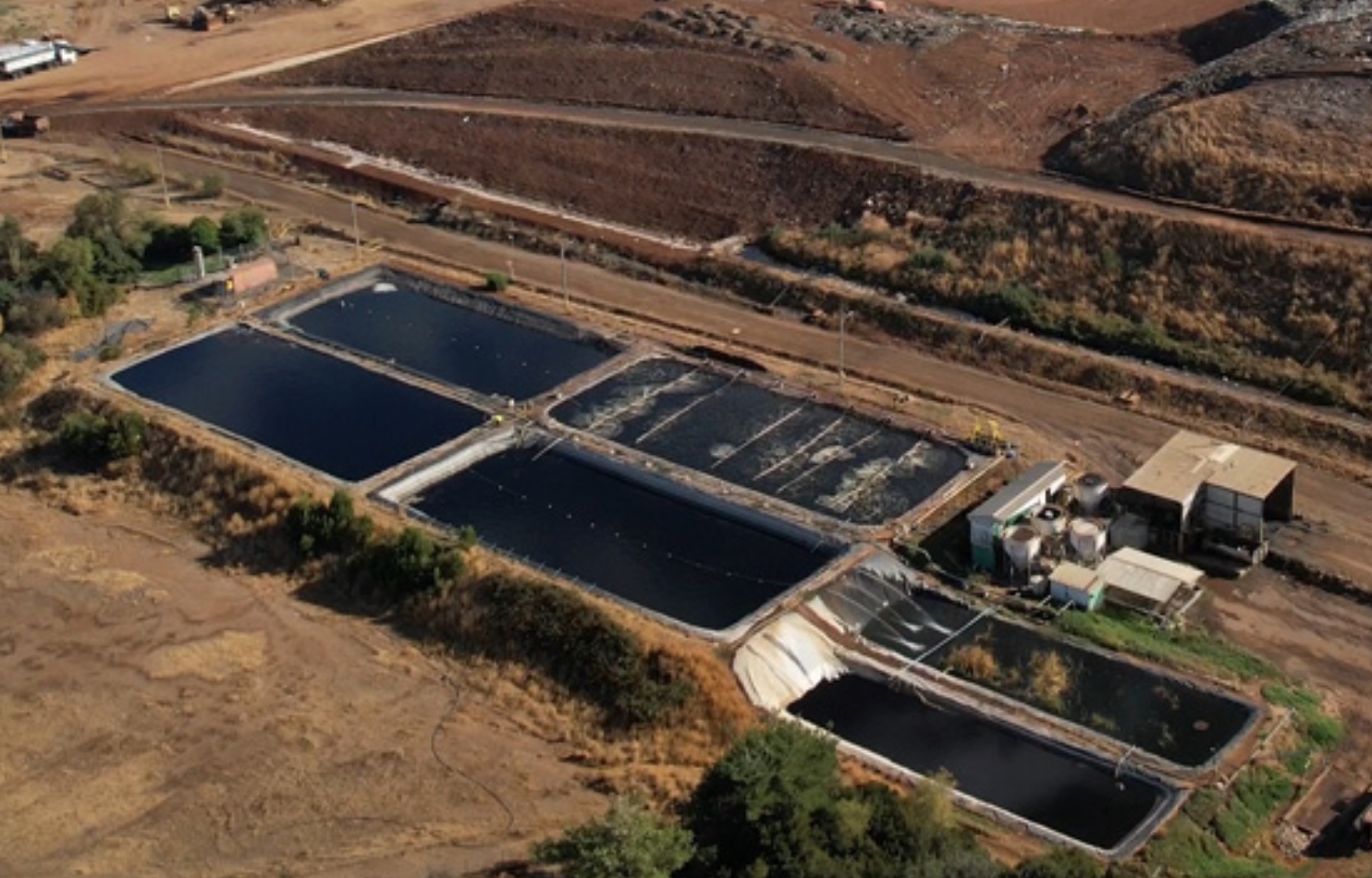
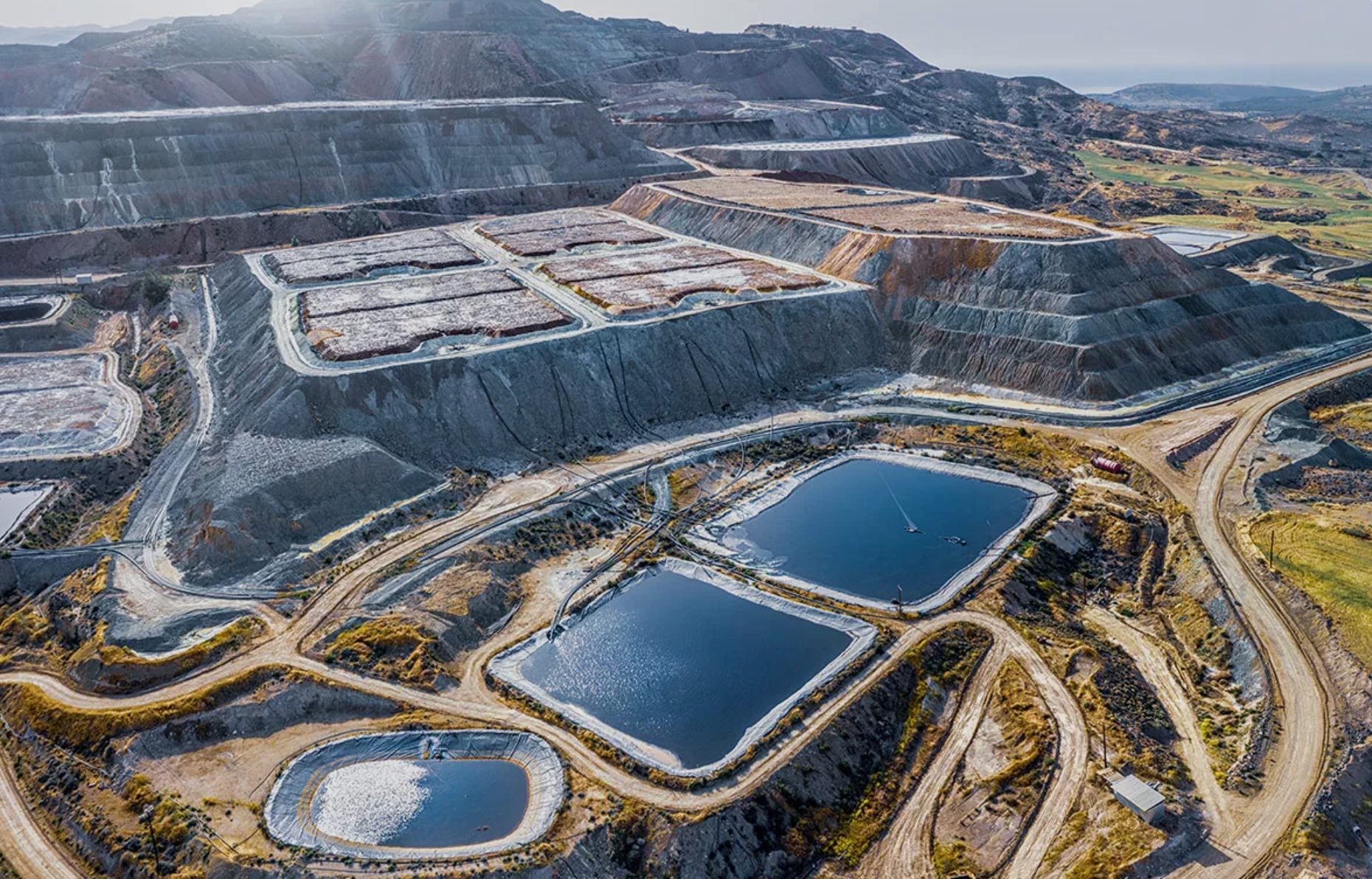
Open water in a dry landscape attracts birds. At a gold mine, the most attractive water on site is often a pregnant leach solution pond, a barren pond or a process water pond that carries cyanide. Birds that land and drink there can die within minutes, and every incident is a reportable event, a reputational risk and a finding against Cyanide Code certification.
This guide explains what the Cyanide Code expects, how the usual deterrents compare in practice, and why more operations are moving from hazing and netting to floating covers.
Why cyanide ponds attract birds
- They are often the only open water for kilometers. In arid regions of Western Australia, Nevada, Chile or Peru, a process pond is a magnet for waterbirds and migratory species.
- They are warm and calm. Process solutions are often warmer than the surroundings and the surface is sheltered by berms.
- Birds do not learn from a single visit. Migratory species arrive new every season, so deterrents that rely on habituation lose effect over time.
What the Cyanide Code requires
The International Cyanide Management Code asks certified operations to protect birds, other wildlife and livestock from the adverse effects of cyanide process solutions. In practice, auditors look for one of two things on every open solution that wildlife can reach: either the concentration of weak acid dissociable (WAD) cyanide is kept below the level considered safe for wildlife, or wildlife is physically prevented from reaching the solution.
Many ponds cannot be kept below that concentration because the process needs it, so physical exclusion is the only practical way to comply. Auditors also expect evidence: a wildlife monitoring program, records of mortalities and proof that the control measure works across seasons. For a deeper look at the standard, see our article on the Cyanide Code and Standard of Practice 4.4.
How the common deterrents compare
Hazing: sound cannons, lasers, drones and decoys
Low upfront cost and quick to deploy. The weakness is habituation: birds get used to repeated stimuli, new migrants arrive every season, and the system needs staff and maintenance 24 hours a day. Hazing alone rarely gives an auditor the evidence of exclusion the Code asks for.
Netting and suspended wires
Nets physically exclude birds, but they need cables, posts and anchors around the pond, they sag and tear in wind and under snow, they trap and kill birds when damaged, and they make access to pumps and the pond surface difficult. On large ponds the structure becomes expensive and hard to inspect.
Floating balls
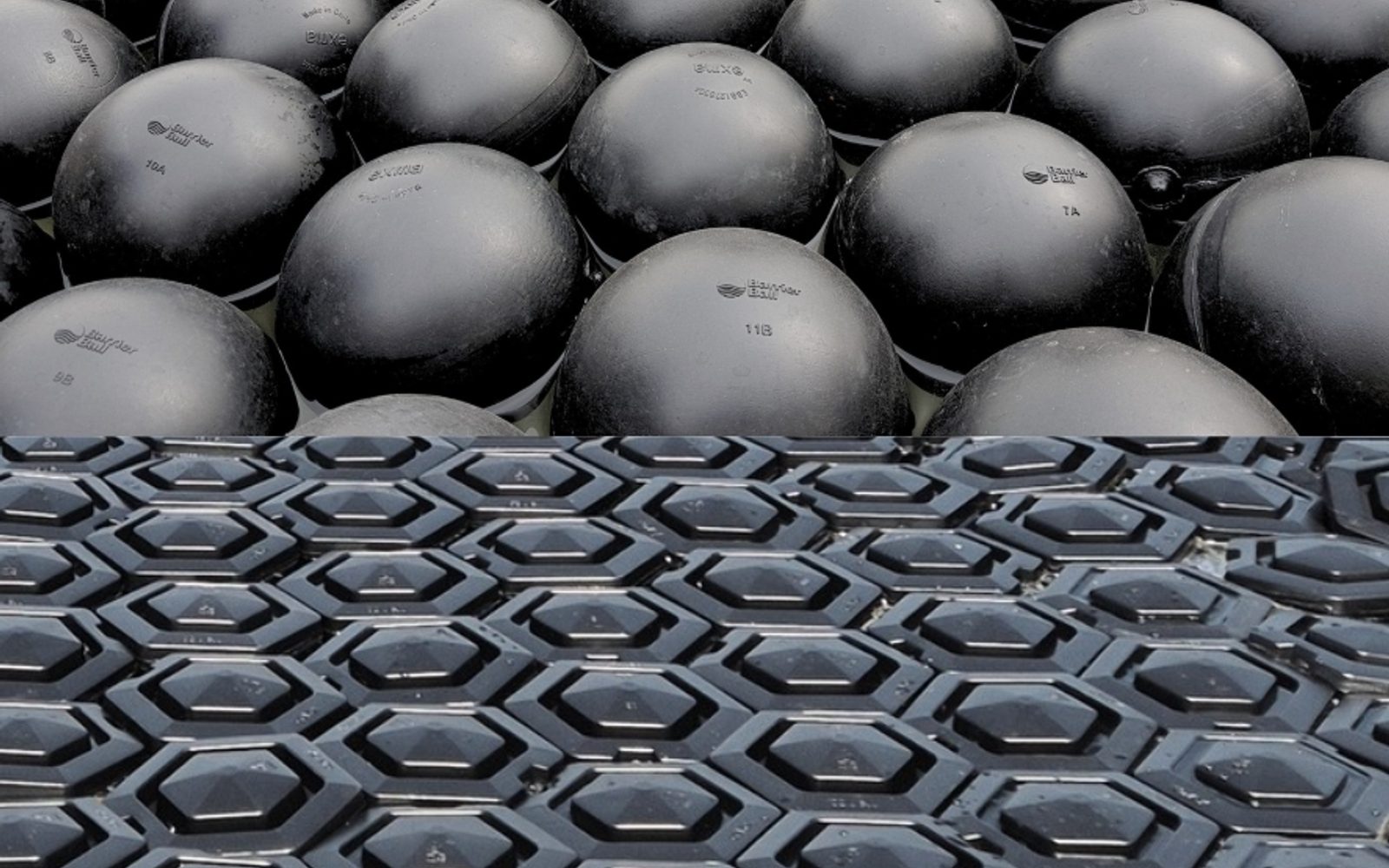
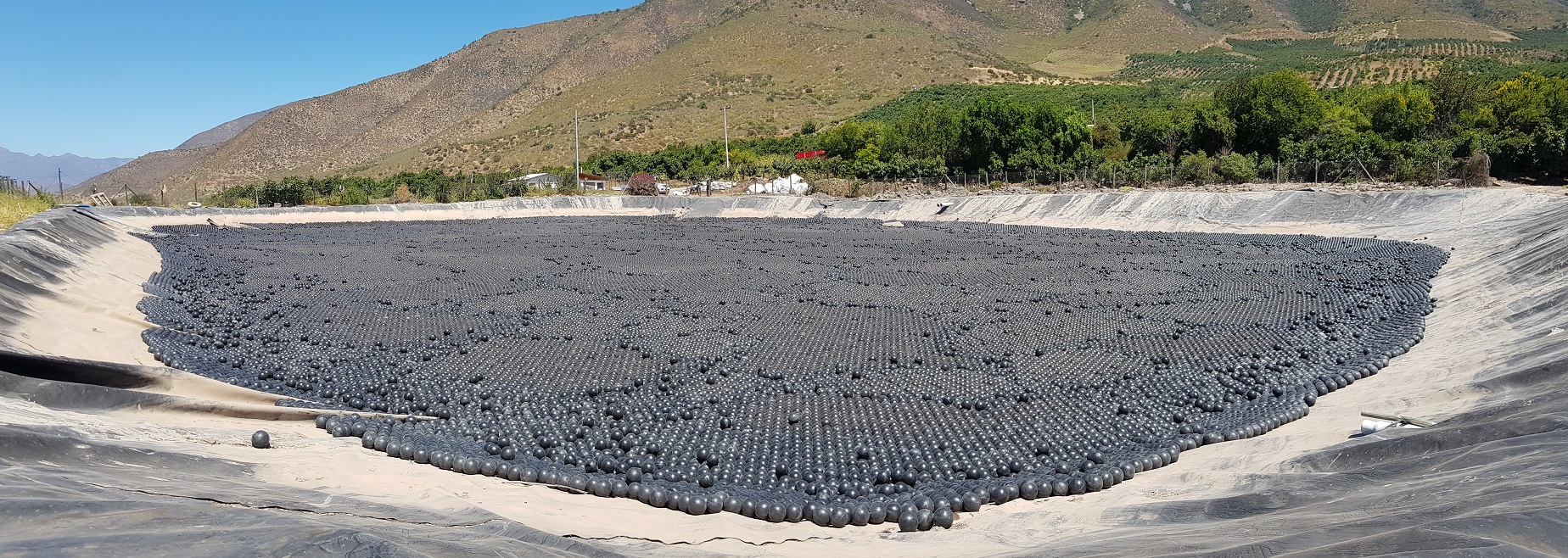
Plastic balls were the first floating cover used for bird exclusion at mines and airports, and they remain effective. Spheres cover about 91% of the surface, which leaves small gaps of open solution between them.
Modular hexagonal floating covers
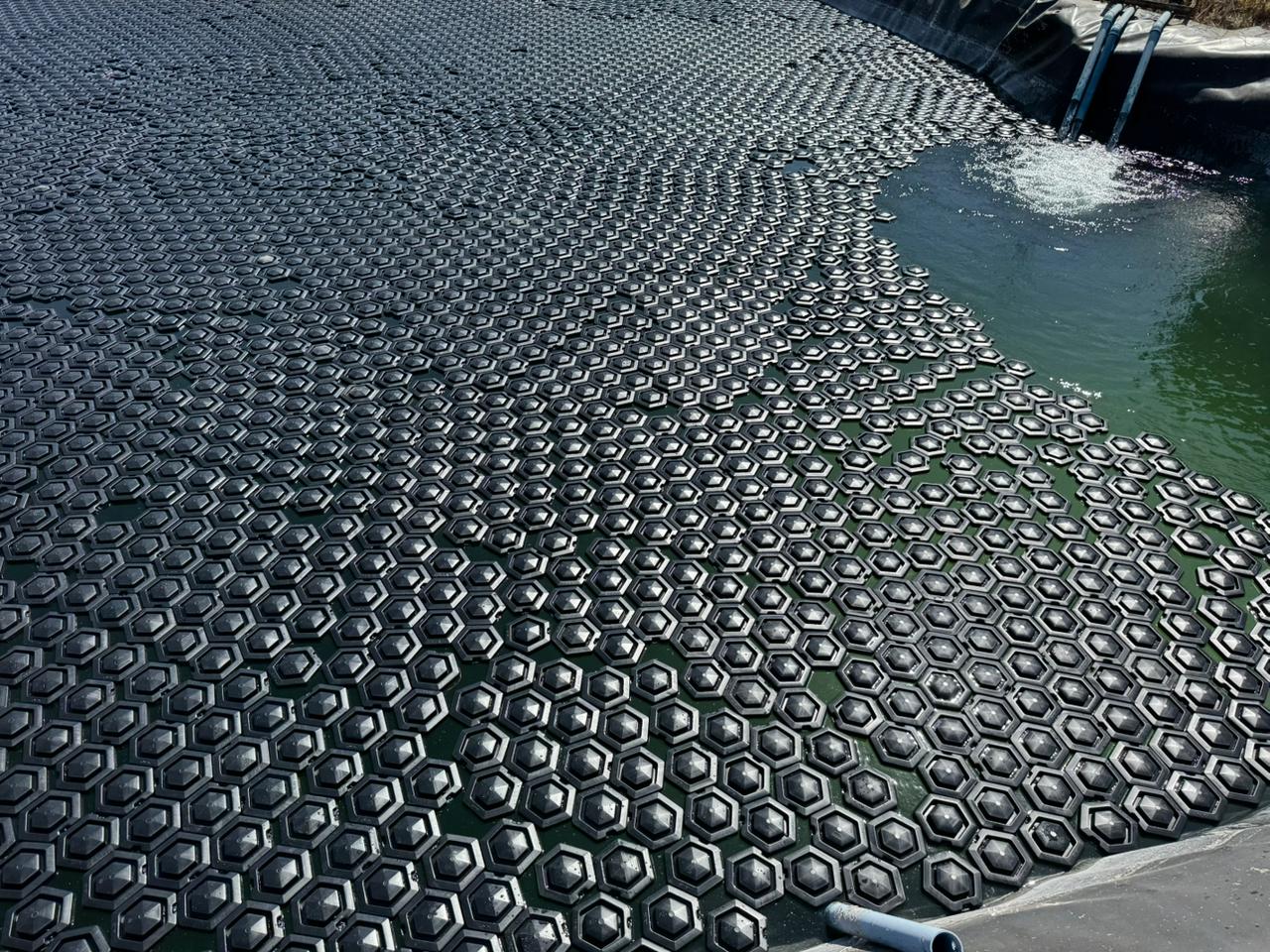
Hexagonal units interlock edge to edge and cover up to 98% of the surface, leaving no landing or drinking area. They need no structure, follow the solution level as the pond fills and drains, and stay in place without maintenance. The cover also reduces evaporation, which in a gold operation means less make-up water and less loss of reagent volume.
What to check before choosing a floating cover
- Coverage. The cover has to close the surface. Ask for the geometric coverage and how the units behave at the edges and around pumps.
- Wind stability. Mine sites are exposed. Units with sealed water ballast sit low on the solution and hold formation. Covex® XT50 is rated for wind up to 100 km/h, with about 27 mm above the waterline.
- Chemical compatibility. Cyanide solutions are alkaline. UV-stabilized HDPE performs well in these conditions.
- Temperature range. Covex® operates from -40 °C to 85 °C (ASTM D648), which covers desert days and high-altitude nights.
- Warranty and service life in writing. Covex® carries a 10-year warranty and an expected service life of more than 25 years.
- Access and operation. You should be able to open a zone for a pump or sampling and close it again without tools.
The extra return: evaporation and heat
A cover installed for wildlife also works on the water balance. Covex® reduces evaporation by up to 97% and, in heated circuits, reduces heat loss by up to 90%. On a large pregnant leach solution or process water pond in a dry climate, the water recovered can be thousands of cubic meters per year, which often pays for the cover on its own.
Frequently asked questions
Do floating covers satisfy the Cyanide Code wildlife requirement?
A cover that closes the surface physically prevents birds and other wildlife from reaching the solution, which is the exclusion approach the Code accepts when concentrations cannot be kept below the wildlife-safe level. Operations still need monitoring records to show auditors the control works.
Can a floating cover be installed on an operating pond?
Yes. Modular units are launched from the edge and spread out on their own, without draining the pond or stopping the process.
Do floating covers work on tailings storage facilities?
They can be used on decant ponds and process ponds. Large tailings beaches with changing geometry need a site-specific assessment, and tailings facilities keep their own safety and inspection requirements.
How long does a floating cover last on a cyanide pond?
UV-stabilized HDPE covers such as Covex® carry a 10-year warranty and an expected service life of more than 25 years.
Next step
Send us the location, surface area and type of solution of your pond. We will calculate its evaporation, the water a Covex® cover can recover and the number of units needed for full exclusion.
→ Floating covers for mining
→ Covex® technical specifications