What Is a Floating Cover for an Irrigation Pond? (2026 Guide)

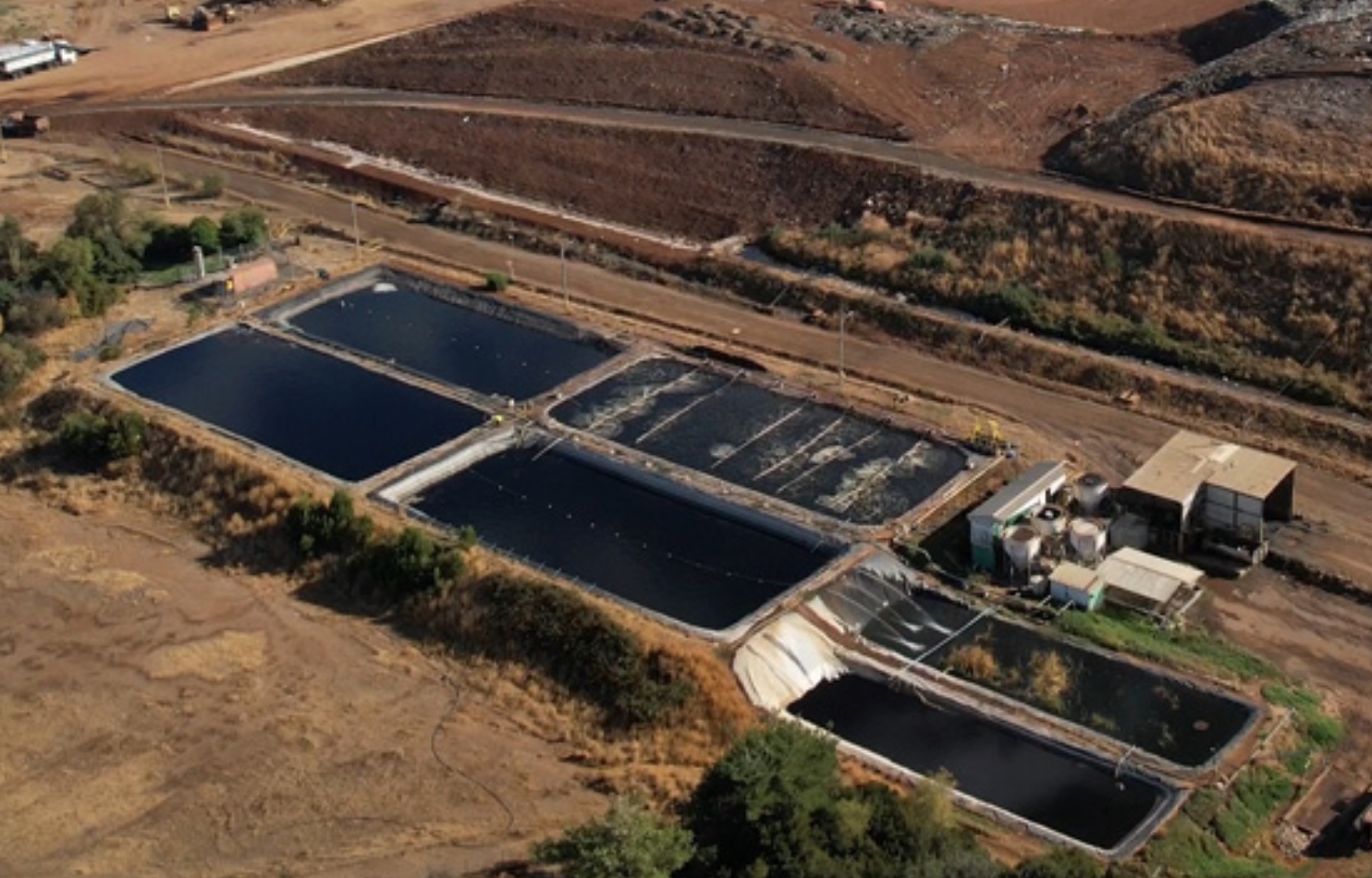
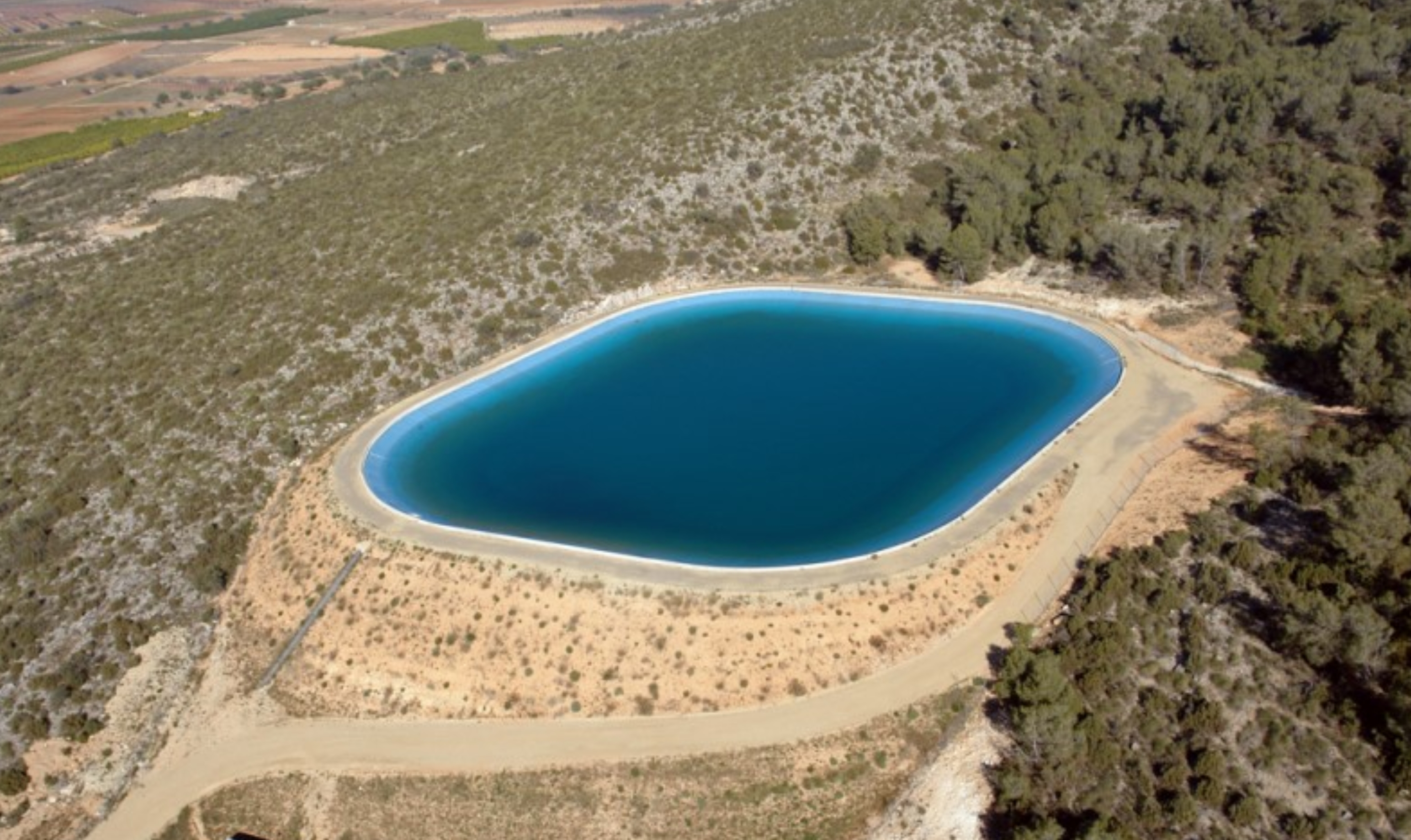
A floating cover for an irrigation pond is a layer that floats on the water surface and separates the stored water from the sun, the wind and the air. By closing that surface, it cuts evaporation, stops algae from growing, keeps birds off the water and protects the water temperature, without changing how the pond is filled or pumped.
This article explains what an irrigation floating cover is, how it works, which problems it solves on a farm and how much water it can recover.
What a floating cover for irrigation is
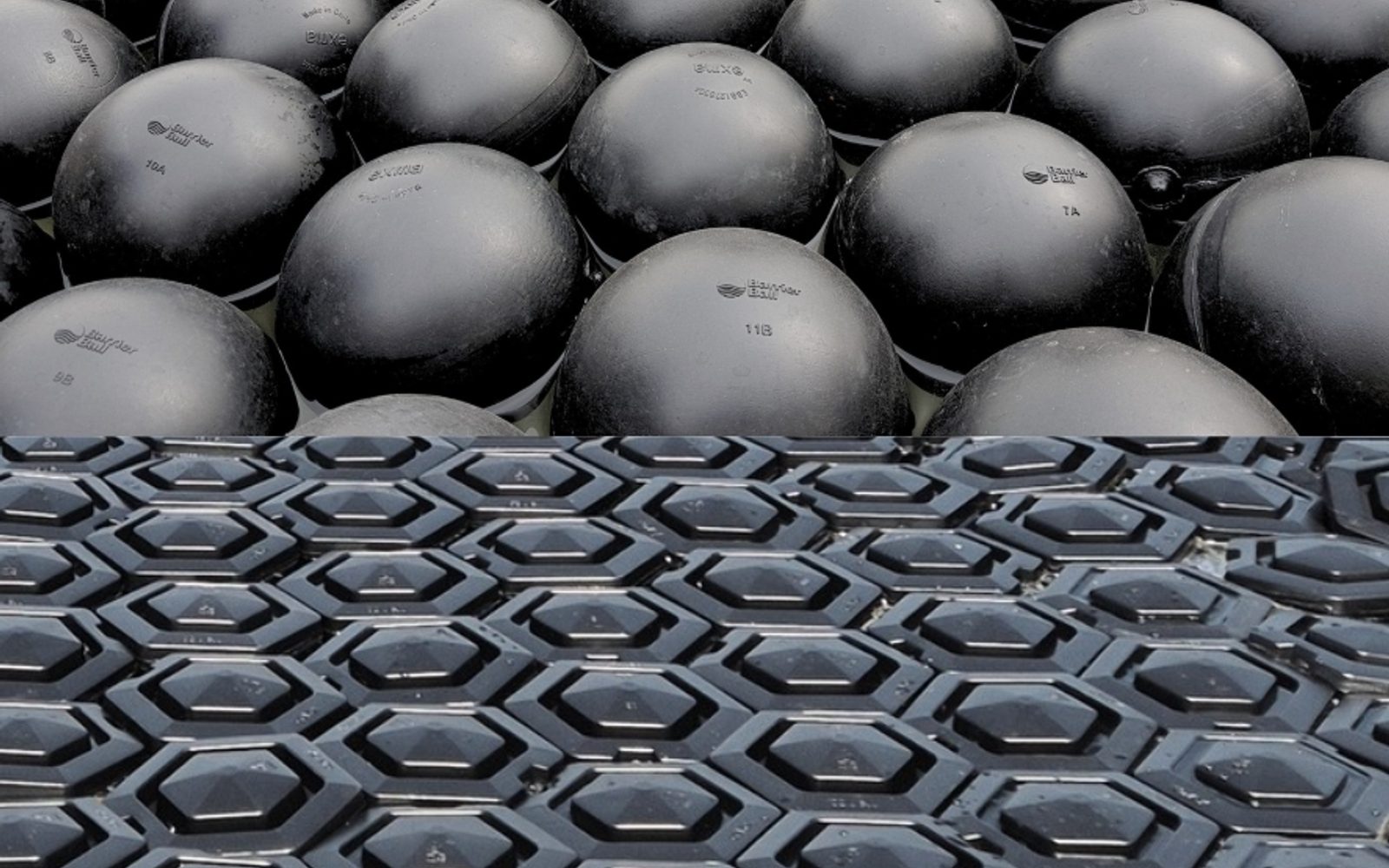
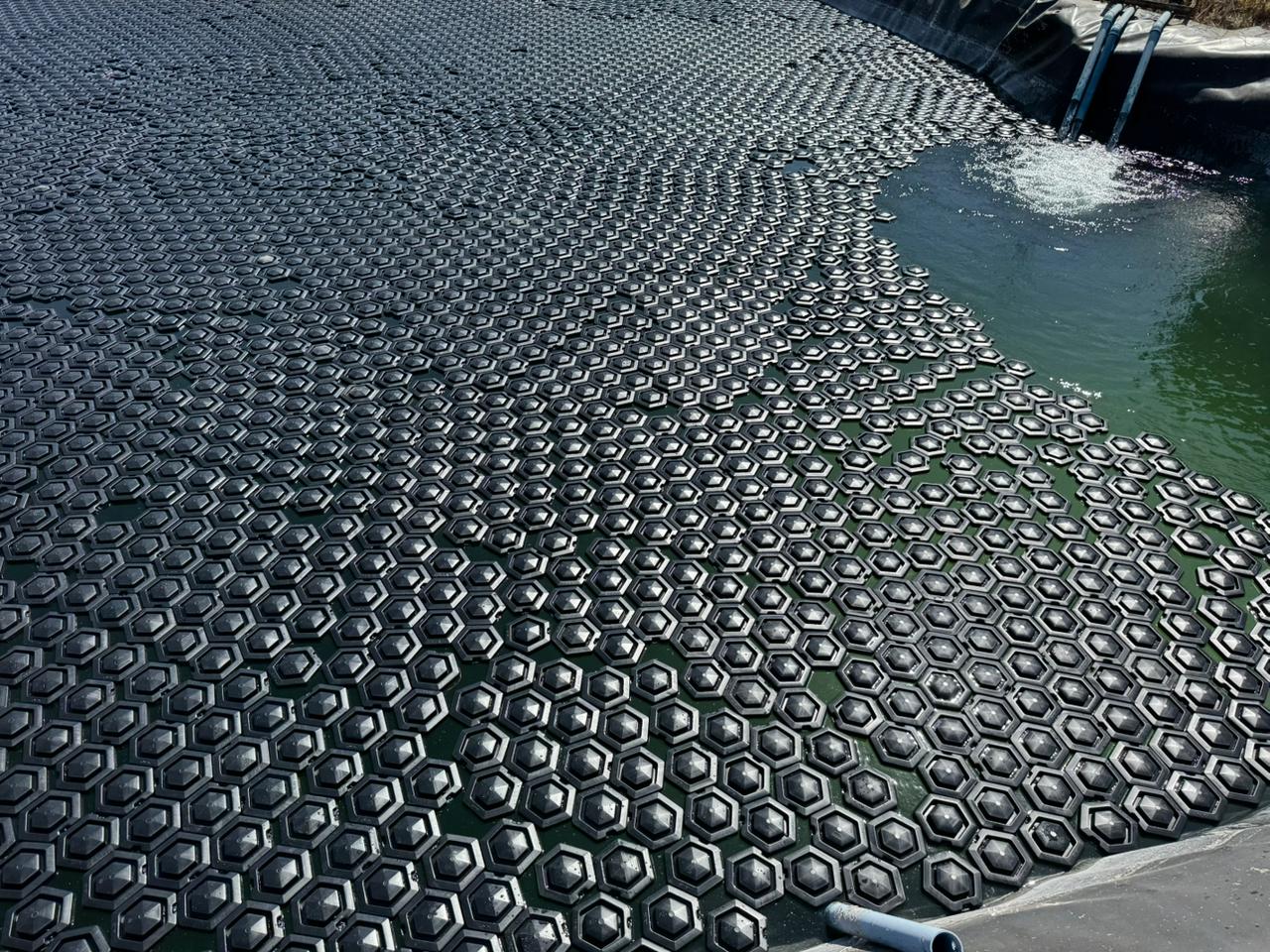
Most floating covers used on irrigation ponds today are modular: thousands of plastic units that float side by side and together form a continuous layer over the water. The units are launched from the bank, spread out on their own and follow the water level as the pond fills and empties through the season.
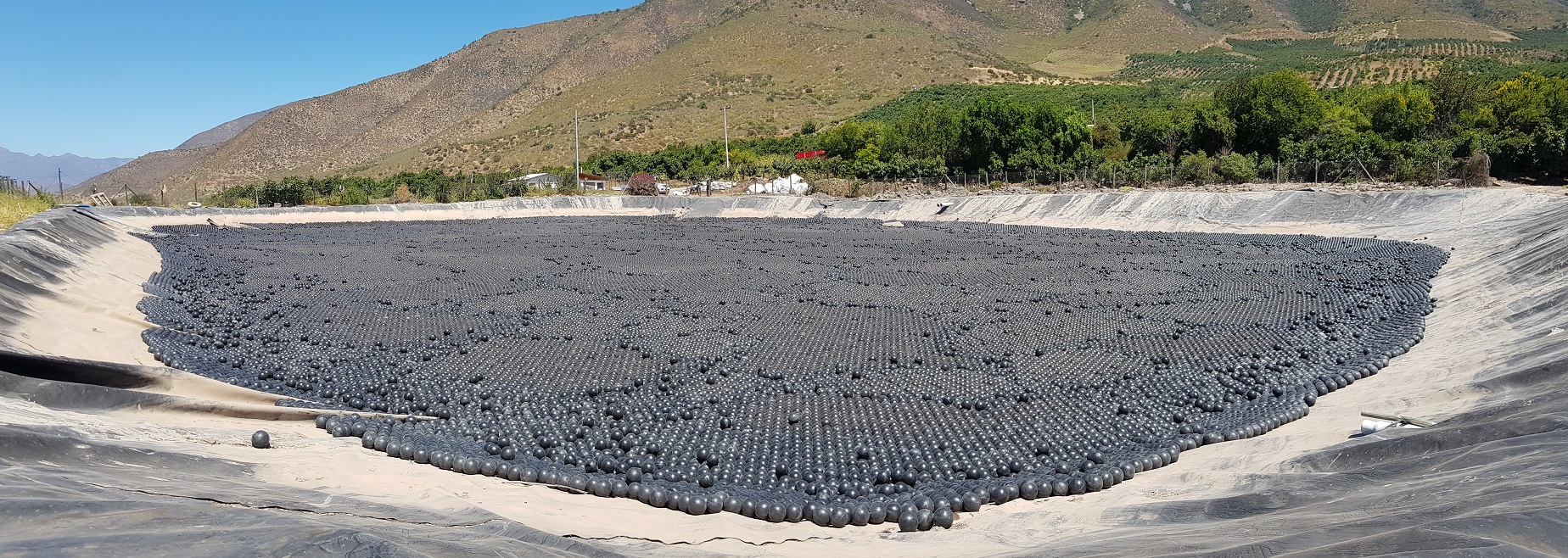
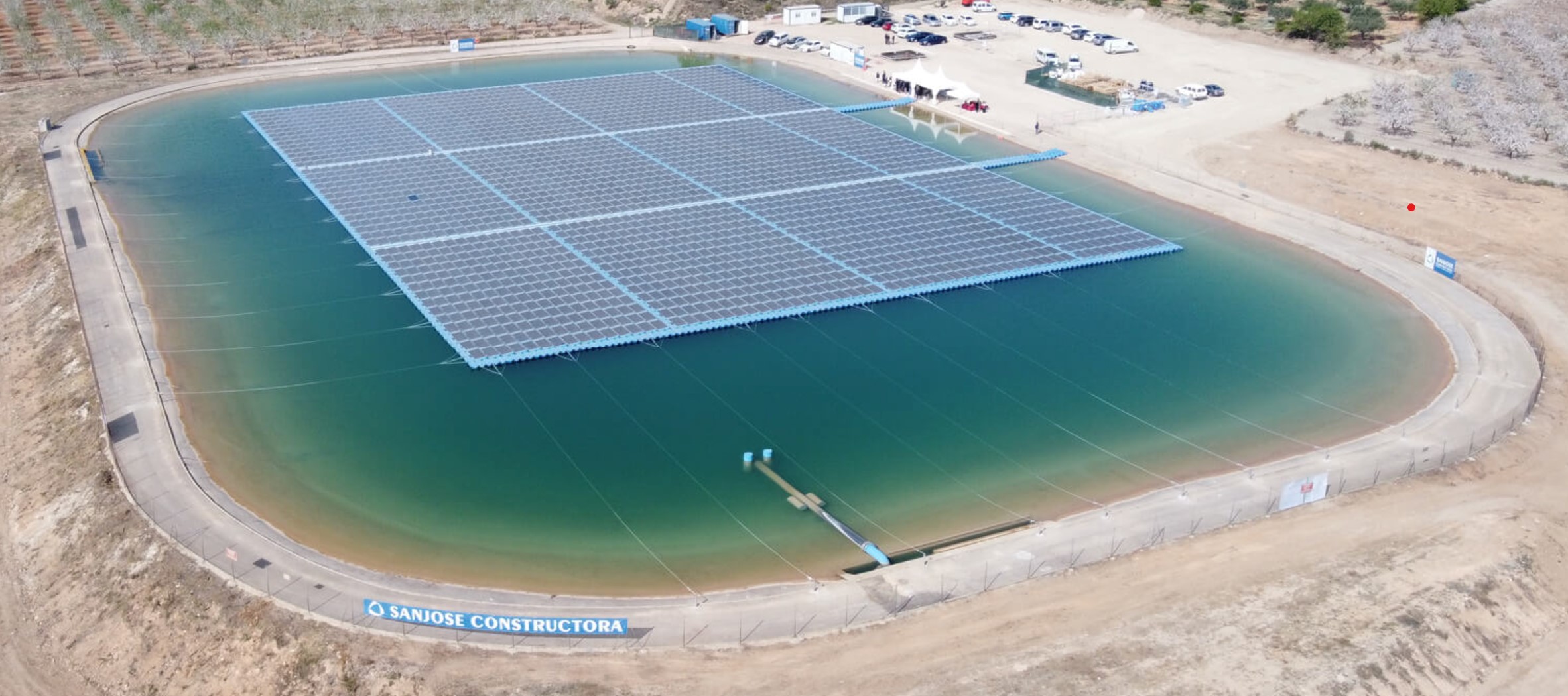
Other options exist, such as continuous membranes, floating balls, shade structures and floating solar, but the modular cover has become the most common choice for farm ponds because it needs no civil works, no anchoring and no draining of the pond.
How a floating cover works
All the problems of an open irrigation pond happen in the same place: the surface where water meets air. A floating cover works right at that surface, through four mechanisms:
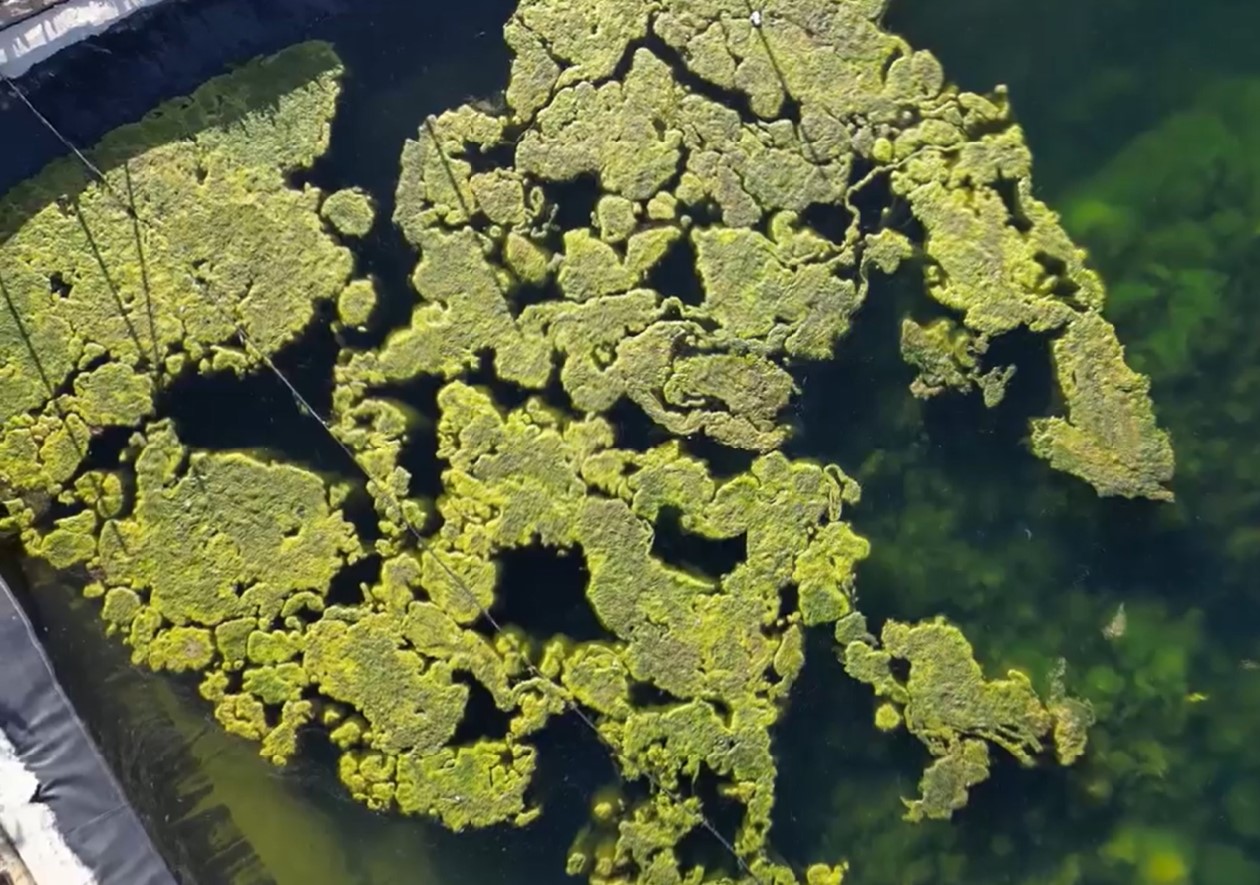
- It blocks sunlight. Without light, algae cannot grow and the water surface heats up less.
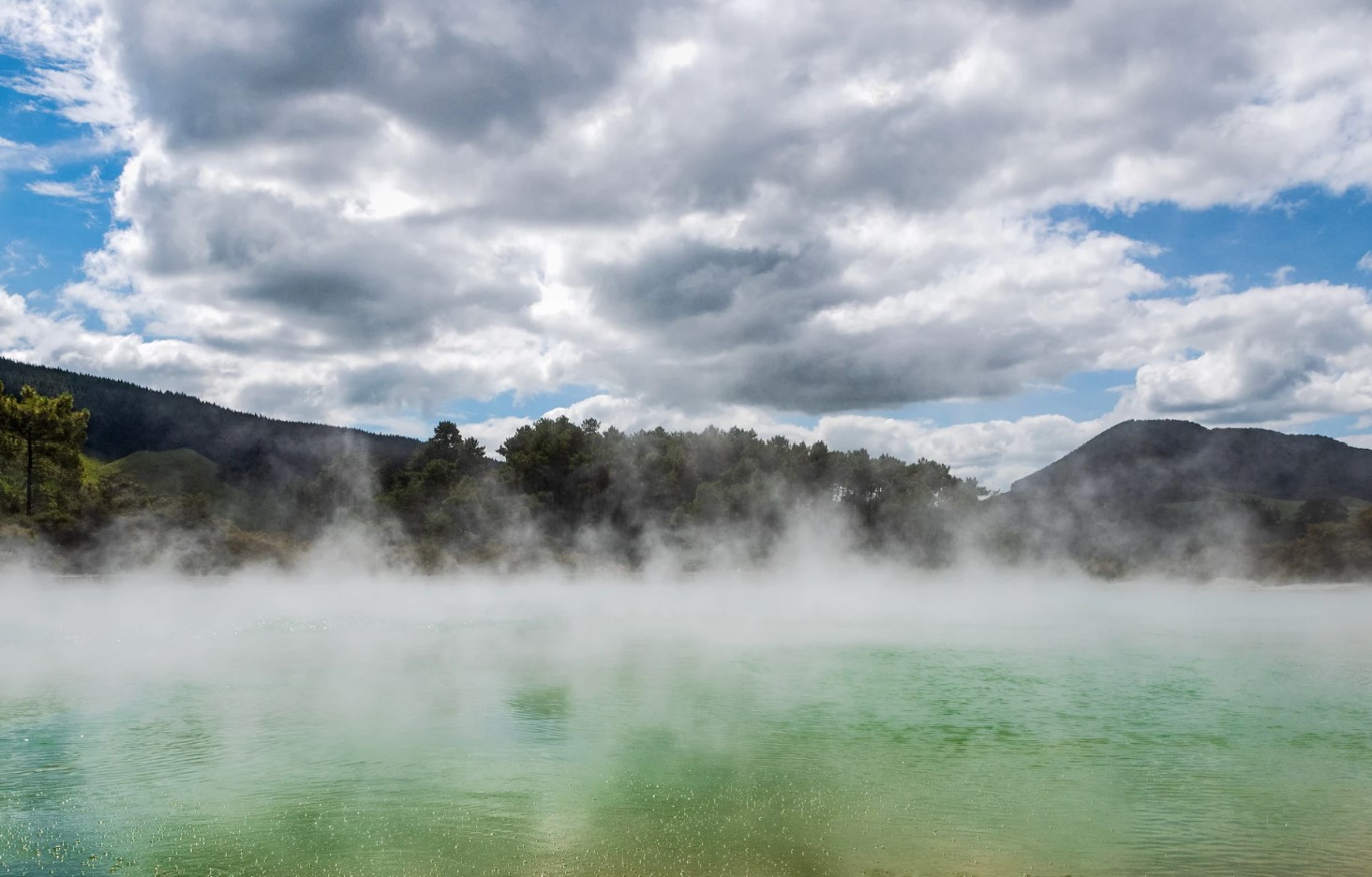
- It traps a layer of humid air. Evaporation depends on the difference in vapor pressure between the water surface and the air above it. The cover keeps that air saturated, so evaporation slows down.
- It shelters the surface from wind. Wind carries away the humid air and replaces it with dry air. With the surface covered, that exchange is greatly reduced.
- It acts as a physical barrier. Birds have nowhere to land, and dust and leaves stay out of the water.
Which problems it solves on a farm
- Evaporation. An open pond typically loses 1,000 to 2,000 mm per year in Mediterranean and semi-arid climates, more in deserts, with the peak in summer. The cover blocks sun and wind at the surface. Covex® result: up to 97% less evaporation.
- Algae and clogged drippers. Sunlight and nutrients drive blooms that clog filters and emitters. The cover blocks the light algae need. Covex® result: over 90% less algae growth.
- Water temperature in summer. Open water heats up at peak sun. The cover shades the surface. Covex® result: water about 4 °C cooler at peak sun.
- Frost. On clear nights open water cools quickly and can freeze. The cover insulates the surface. Covex® result: up to 5.2 °C warmer water in the first hours of the night, and 0 °C reached at 12 hours instead of 7.5 hours.
- Birds and food safety. Open water attracts birds whose droppings carry pathogens into irrigation water. The cover leaves no surface to land on. Covex® result: 98% of the surface covered.
Types of floating cover used on irrigation ponds
- Modular hexagonal covers: up to 98% coverage, follow the water level, rain passes through, no works and no draining.
- Floating balls: about 91% coverage, follow the water level, rain passes through.
- Continuous membranes: close to 100% coverage, but rainwater must be pumped off and they need perimeter anchoring and often draining the pond.
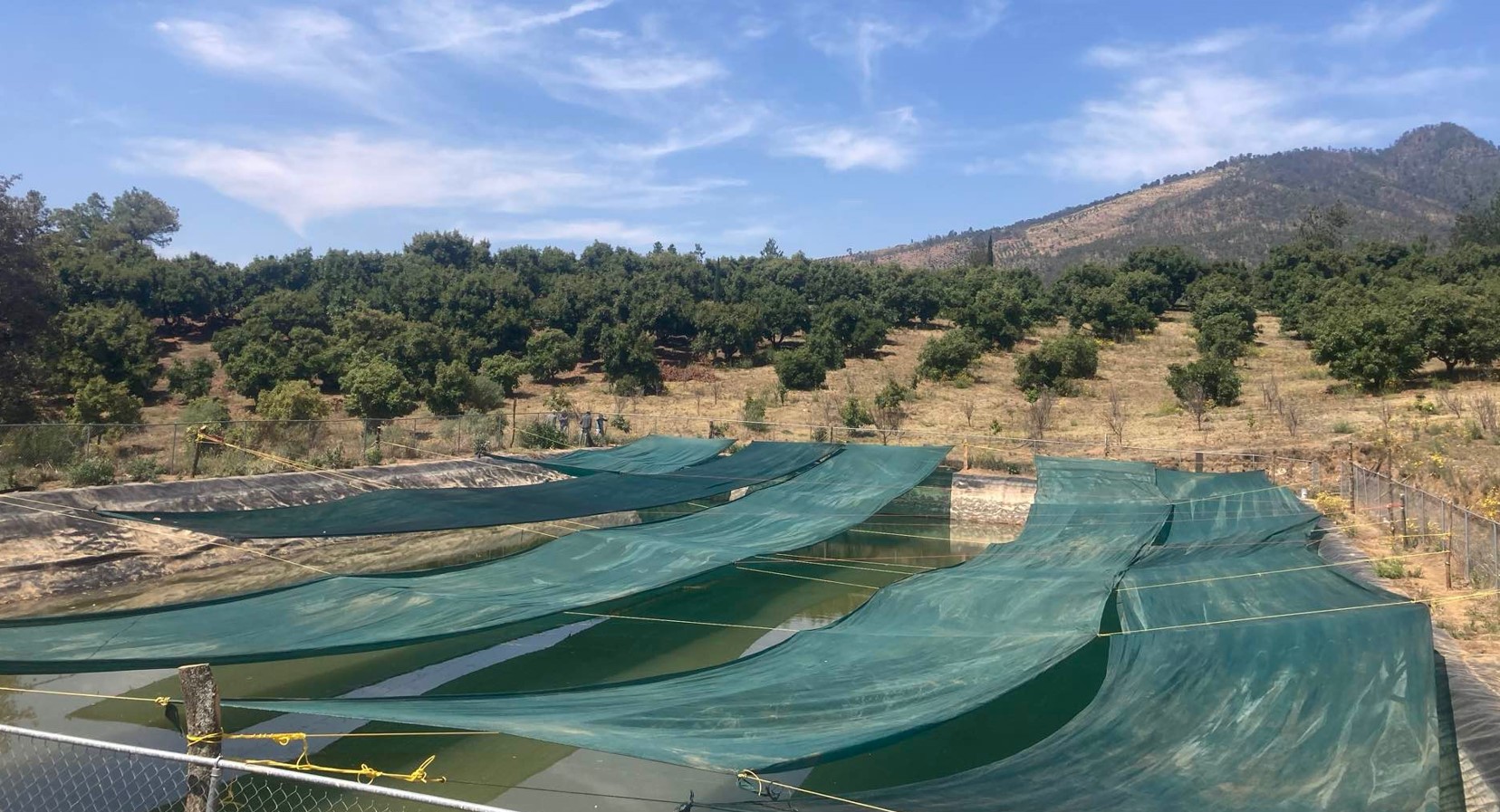
- Shade structures: shade the surface but do not seal it, and need foundations and a structure.
- Floating solar: partial coverage, with the evaporation benefit secondary to energy generation.
For a detailed comparison and a step-by-step selection method, see our buyer's guide to choosing a floating cover for an irrigation pond.
How Covex® works on an irrigation pond
Covex® is a modular floating cover made of hexagonal UV-stabilized HDPE units with sealed water ballast, manufactured by EXMA Ltda. in Chile. Fifty units cover one square meter.
- Stable in wind: the water ballast keeps each unit low on the surface. Covex® XT50 is rated for wind up to 100 km/h and Covex® X50 for up to 80 km/h.
- Rain passes through: rain falls between the units into the pond, so there is nothing to pump. The channel between the chambers of each unit also collects rainwater, which adds ballast.
- Installs on a working pond: no draining, no anchors that could damage the liner, and no need to stop irrigation.
- No maintenance: the units rearrange themselves as the level changes. A zone can be opened for a pump or sampling and closed again.
- Built to last: HDPE with carbon black, operating range from -40 °C to 85 °C (ASTM D648), 10-year warranty against manufacturing defects and an expected service life of more than 25 years.
How much water a floating cover recovers
The basic calculation is simple:
Recovered water (m³/year) = surface (m²) × annual evaporation (m) × reduction (%)
For example, a 10,000 m² pond in Almería, Spain, evaporates around 1.85 m per year, about 18,500 m³. With a reduction of up to 97%, a cover can recover up to roughly 17,900 m³ per year. Around two thirds of that water is recovered between May and September, when the crop needs it most.
In many regions the real value of that water is not its price per cubic meter but the allocation it frees up in summer: water that can irrigate more hectares in a dry year instead of evaporating.
Frequently asked questions
What is a floating cover for an irrigation pond?
It is a layer that floats on the surface of an irrigation pond to separate the water from the sun, wind and air. It reduces evaporation, prevents algae, protects the water temperature and keeps birds off the water.
How much evaporation does a floating cover prevent?
It depends on the type of cover. Modular hexagonal covers such as Covex® reduce evaporation by up to 97%, with 98% of the surface covered. Floating balls cover about 91% of the surface.
Does rainwater collect on top of the cover?
Not with a modular cover. Rain passes between the units into the pond, so there is nothing to pump or drain.
Can it be installed without emptying the pond?
Yes. The units are launched from the bank and spread out on their own, without draining the pond, without anchors and without stopping irrigation.
What happens when the water level drops?
The units follow the water level and rearrange themselves as the pond empties and refills, so the surface stays covered all season.
Does a floating cover help against frost?
Yes. Against a -5 °C environment, water under Covex® stays up to 5.2 °C warmer in the first hours of the night and takes 12 hours instead of 7.5 hours to reach 0 °C.
Next step
Send us the location and surface area of your pond. We will calculate its evaporation, the water a Covex® cover can recover and the payback for your farm.
→ Floating covers for agriculture
→ Floating covers for irrigation ponds in Spain
→ Covex® technical specifications